Launch Webinar for the California Schoolyard Forest System

On October 4, 2022, Green Schoolyards America, the California Department of Forestry and Fire Protection (CAL FIRE), the California Department of Education (CDE), and Ten Strands hosted an hour-long webinar to launch the California Schoolyard Forest System℠.

This new statewide initiative seeks to increase tree canopy on public school grounds across California to directly shade and protect PreK-12 students from extreme heat and rising temperatures due to climate change.

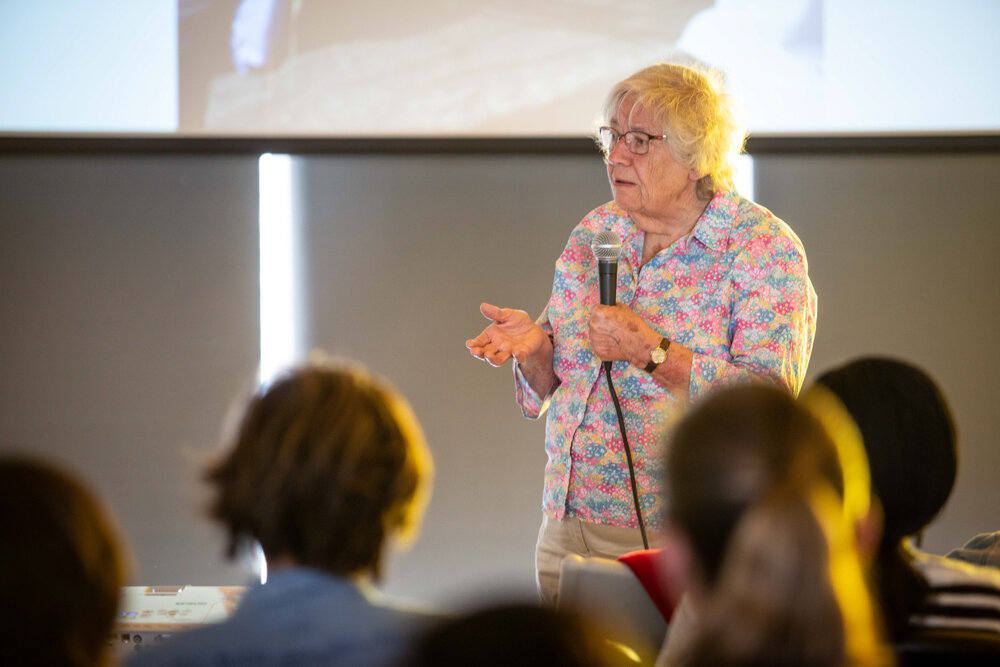
The webinar was hosted by speakers Sharon Danks and Alejandra Chiesa of Green Schoolyards America. Speakers from our founding partner organizations included Juan Mireles, Director of School Facilities and Transportation Services Division at the California Department of Education; Lesley Taylor, Education Administrator for the Facilities Planning Policy Standards at the California Department of Education; Andra Yeghoian, Chief Innovation Officer from Ten Strands; Walter Passmore, State Urban Forester for the California Department of Forestry and Fire Protection (CAL FIRE); and Julia Gowin Urban Forestry Supervisor, Northern Region for the California Department of Forestry and Fire Protection (CAL FIRE).

In addition to introducing the California Schoolyard Forest System℠, panelists from CAL FIRE discussed the agency’s Urban and Community Forestry Grant Program which includes a new grant program designed to help schools across California green their school grounds. Draft grant guidelines will be published soon and will be open to public comment. To receive updates about CAL FIRE’s Urban and Community Forestry Grant Program, sign up here.

Green Schoolyards America is currently developing online resource toolkits designed to help schools and districts plan, implement, use, and maintain schoolyard forests. These materials will be posted on our website under the “Forests” tab later this fall. In November, we will also be starting an online Schoolyard Forest Community of Practice to support schools and districts interested in increasing tree canopy on their school grounds.

To sign up for Green Schoolyards America’s newsletter and to receive updates about the California Schoolyard Forest System℠, click here.

 
This image is titled "Launch Webinar Speakers" for the California Schoolyard Forest System. It includes photographs of the seven speakers at the webinar, along with their names, titles, and organizations. The image also includes a logo for the Cali
 

Webinar Content


Webinar Transcript

Click on the button below to read the full transcript of the webinar, including the question and discussion portion beginning on page 12.

Full Webinar Transcript

Resources

This section includes links and resources shared during the webinar.


Senator Heinrich introduces the Living Schoolyards Act!

One of the most important lessons that we learned from the pandemic is just how critical the outdoors can be to our mental and physical well-being. For many kids, the closest outdoor space is not a national or urban park, but the spaces right outside their classroom doors.
— U.S. Senator Martin Heinrich (D-N.M.)

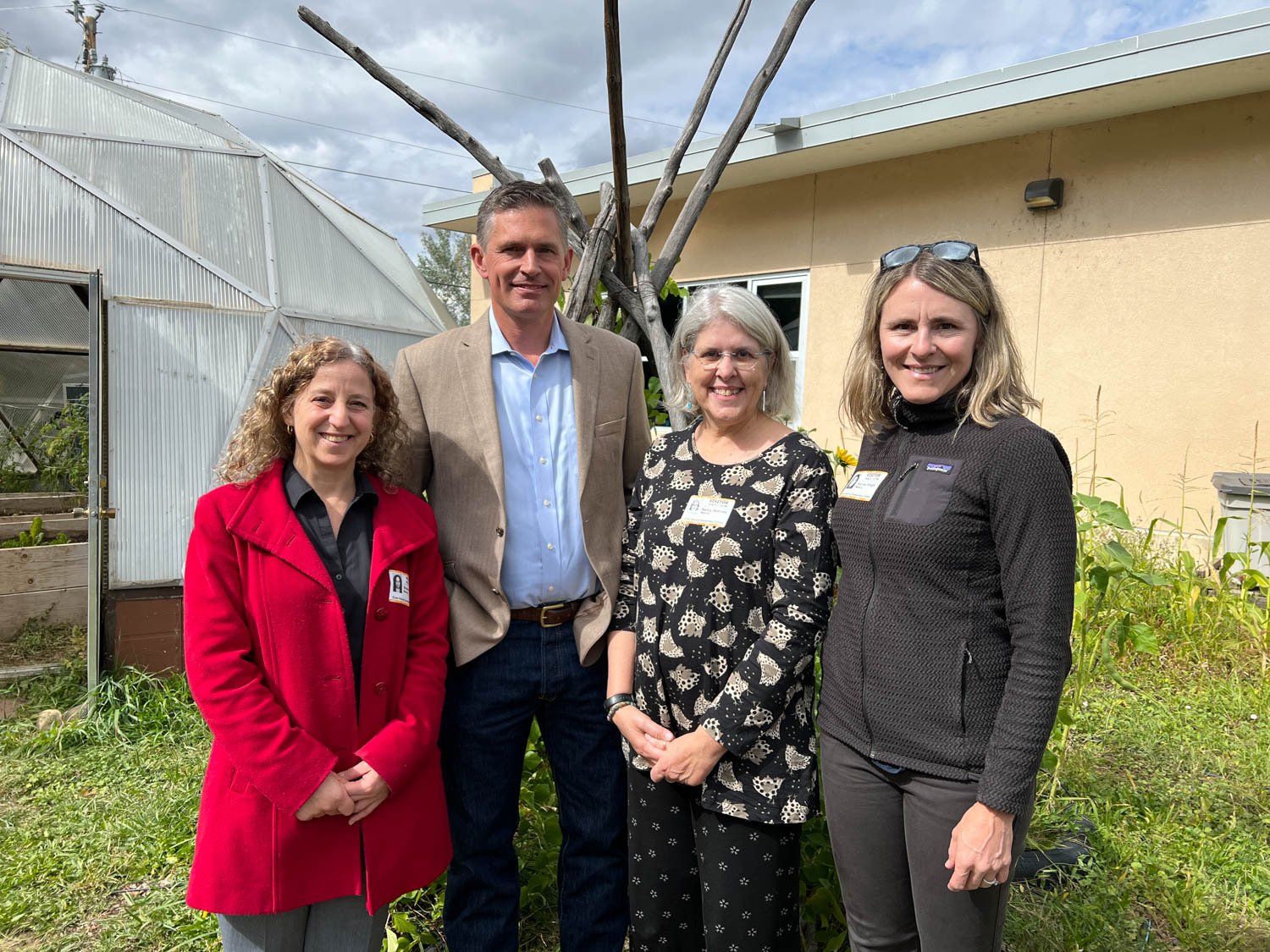
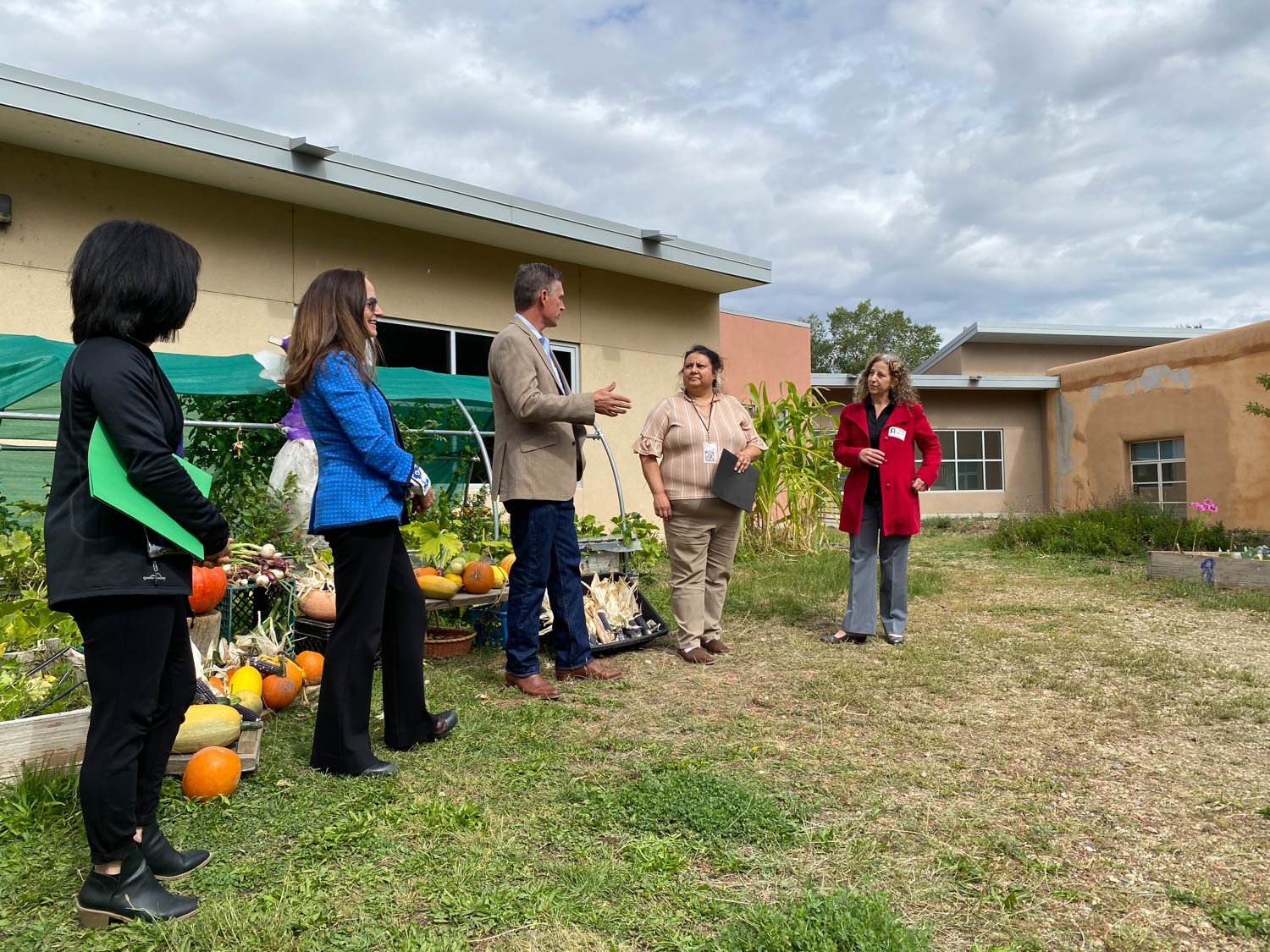
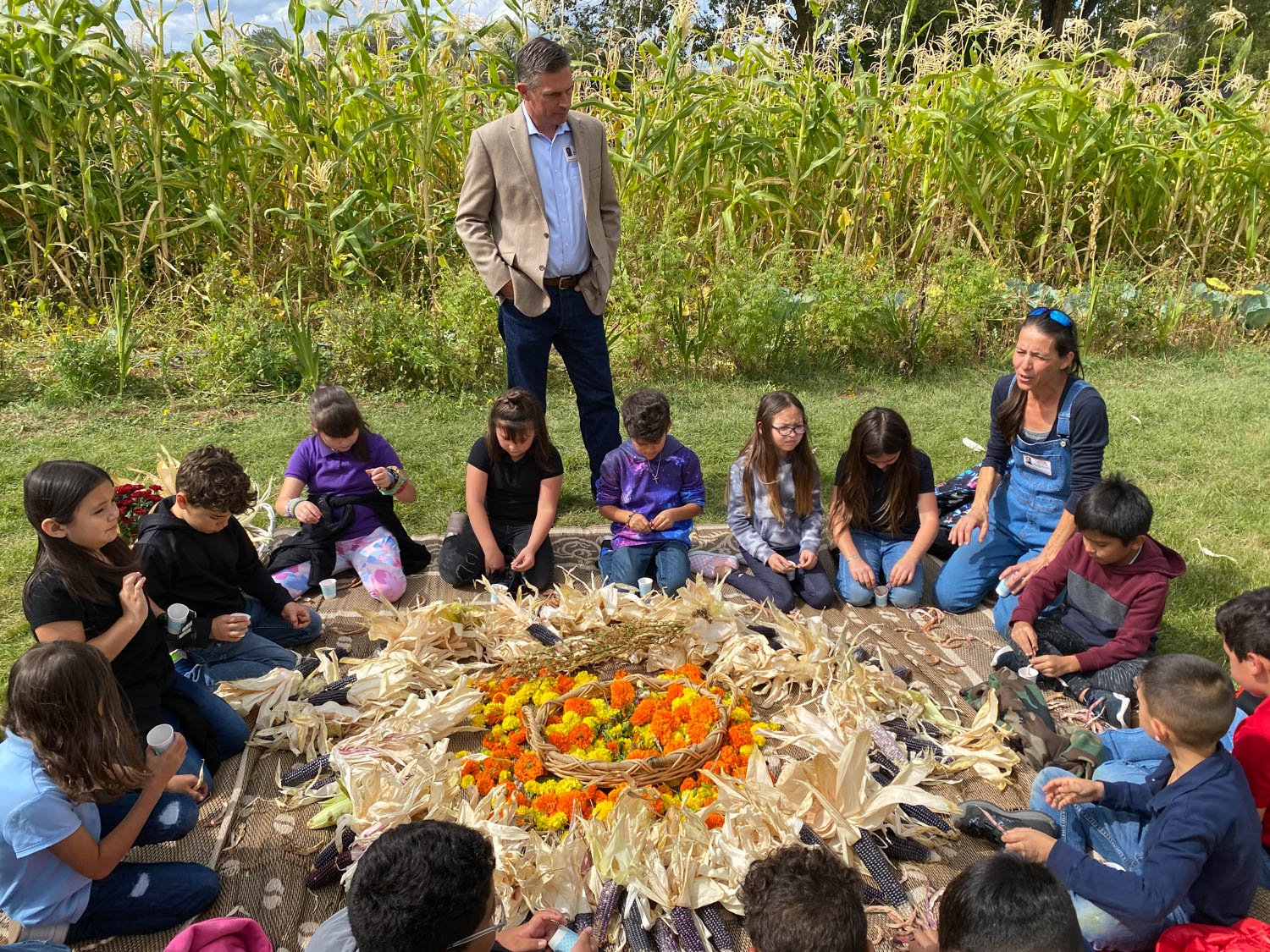
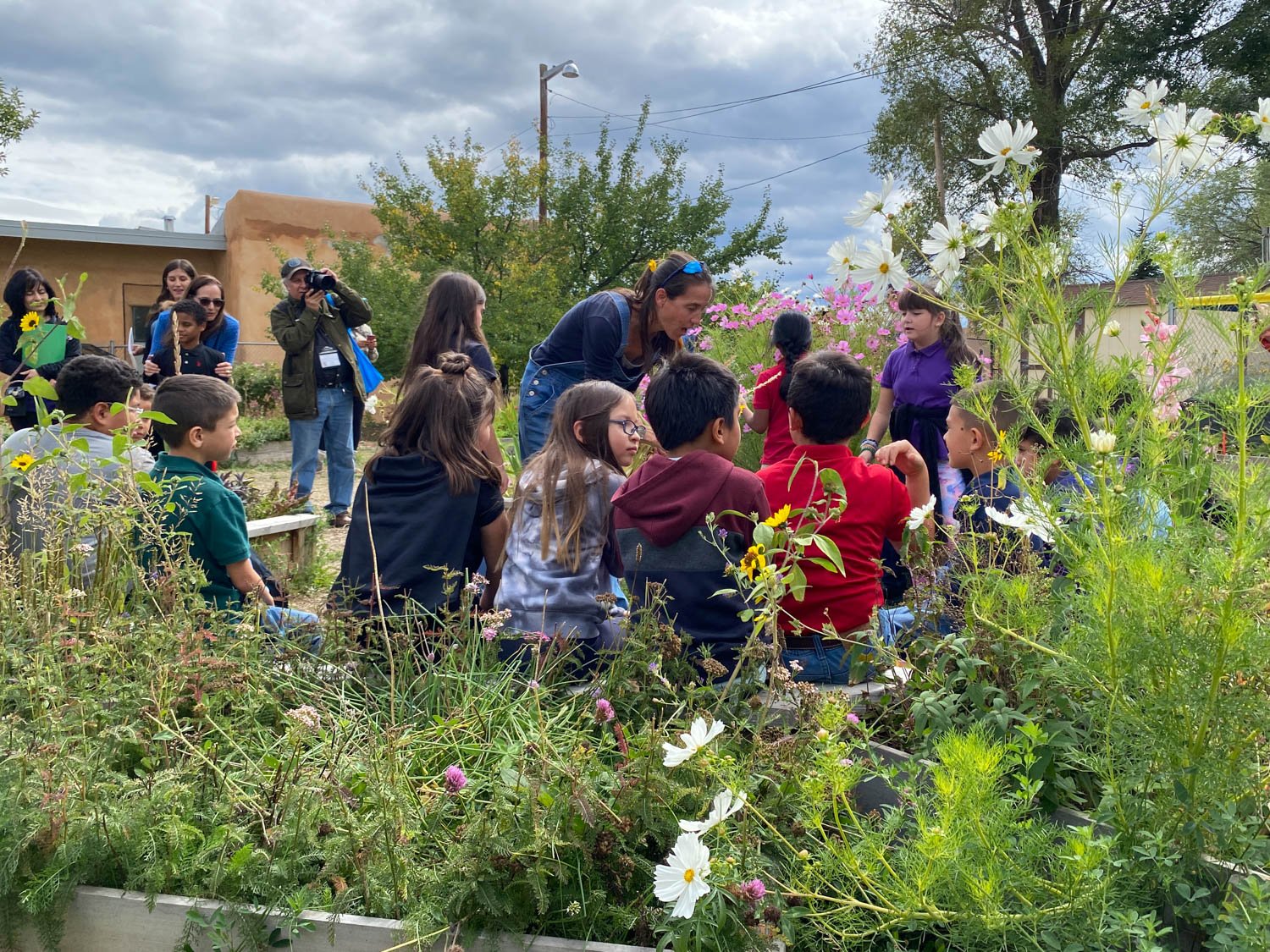
Last Thursday, October 6, 2022, U.S. Senator Martin Heinrich (D-N.M.) held a press conference at Enos Garcia Elementary School in Taos, New Mexico to announce the Living Schoolyards Act of 2022, recently introduced in the U.S. Senate. Green Schoolyards America’s staff was honored to take part in the event.

After touring the schoolyard Senator Heinrich praised the outdoor learning program at Enos Garcia and said, “this is something that we can learn from and that should be done on a much broader scale around the country.”

This new legislation will enable schools to completely re-envision their outdoor spaces on school grounds with the goal of providing more hands-on learning opportunities, strengthening local ecological systems, and giving every child a place where they can learn and play outside.

“America’s public school grounds cover an estimated 2 million acres and play a central role in children’s daily lives. Greening school grounds by removing asphalt and adding trees is a cost effective way to directly protect students from the effects of extreme heat due to climate change,” said Sharon Danks, CEO and founder of Green Schoolyards America. “We applaud Senator Heinrich’s leadership on this groundbreaking legislation.”

The Living Schoolyards Act will help schools develop outdoor learning environments that introduce more kids to new experiences on their journey to academic success.
— U.S. Senator Martin Heinrich (D-N.M.)
Read the Full Press Release
 

Photos from Senator Heinrich’s Press Conference

Held at Enos Garcia Elementary School in Taos, New Mexico on October 6, 2022

The Living Schoolyards Act of 2022 grants a greener future for our nation’s children

We are thrilled to announce the introduction of legislation in the United States Senate to provide grants to schools and districts to transform their schoolyards into dynamic outdoor learning environments. The Living Schoolyards Act of 2022, introduced and sponsored by Senator Martin Heinrich (NM), calls for $700 million dollars to be invested in American schoolyards over the next four years. 

This pioneering bill will, for the first time in history, introduce the concept of living schoolyards into the federal record and when passed will direct important federal resources and funding towards transforming school grounds into living schoolyards—richly layered outdoor environments that strengthen local ecological systems while providing place-based, hands-on learning resources for youth of all ages. 

Outdoor Learning Spaces Grants will allow schools or districts to create outdoor classrooms and learning spaces. School districts will develop a master plan to turn all or some of their school yards into Living Schoolyard Projects. This process will involve community input and factor in ecological goals, educational and health outcomes for students, and relevant community partners. In the implementation phase, school districts will build the Living Schoolyards and offer professional development to educators to help them incorporate the outdoor spaces into their teaching.

Green Schoolyards America wholeheartedly endorses the Living Schoolyards Act of 2022 and applauds and supports Senator Heinrich’s leadership in working to create a greener, healthier future for children, their communities, and the planet by authoring this legislation.  The legislation’s positive impact on children, families, communities, and the planet will be far reaching and we look forward to supporting the bill’s passage in the U.S. Congress.  

Read the Full Press Release
Read the Senator's Info Sheet
Read the FUll Legislation


Join us October 4th for the California Schoolyard Forest System’s kickoff webinar

Green Schoolyards America, the California Department of Forestry and Fire Protection (CAL FIRE), the California Department of Education (CDE), and Ten Strands invite you to join free webinar to learn about the California Schoolyard Forest System℠. This new statewide initiative seeks to increase tree canopy on public school grounds across California to directly shade and protect PreK-12 students from extreme heat and rising temperatures due to climate change. More specifically this webinar will:

  • Discuss schoolyard forests as critical infrastructure that make schools more resilient to climate change 

  • Outline how this initiative will center equity and advance California’s climate and education goals

  • Present initial research findings and long term strategies to scale up the impact

  • Announce new public funding opportunities that will be available through CAL FIRE to create schoolyard forests

Speakers

  • Alejandra Chiesa, California State Director, Green Schoolyards America

  • Sharon Danks, Founder and CEO, Green Schoolyards America

  • Juan Mireles, Director, School Facilities and Transportation Services Division, CDE

  • Walter Passmore, State Urban Forester, CAL FIRE

  • Lesley Taylor, Education Administrator, Facilities Planning Policy and Standards, CDE

  • Andra Yeghoian, Chief Innovation Officer, Ten Strands

When

October 4th, 3:30 to 4:30pm PST 

Register for the Webinar
Learn more about the Schoolyard Forest System℠

California to invest $150 million in schoolyard greening!

This was an amazing week for California’s green schoolyards—and children! We are thrilled that the state budget now includes an unprecedented investment of $150 million over the next two years to create green schoolyards and schoolyard forests at K-12 schools across the state. This funding is vitally important in a state with an increasingly hot climate and very little shade on school grounds. We applaud the work of Governor Newsom, the California Legislature, state agencies, non-profit partners, and all Californians who supported and worked for this historic and crucial investment in the health and happiness of millions of California’s school-aged children.  

To celebrate this historic milestone for schoolyard greening, our CEO Sharon Danks traveled to Los Angeles on September 8th to attend a press conference and participate in a discussion with California Natural Resources Agency (CNRA) Secretary Wade Crowfoot, Deputy Secretary Andrea Ambriz, CAL FIRE’s State Urban Forester Walter Passmore, and local community stakeholders.  

LEFT TO RIGHT: DEPUTY SECRETARY ANDREA AMBRIZ (CNRA), Dr. Bevin Ashenmiller (Occidental College), SHARON DANKS (Green Schoolyards America), Secretary WADE CROWFOOT (CNRA)

We have to do more to protect our communities from the impact of climate change. Schoolyard greening projects will ensure that kids are safe from increasing temperatures. …In the past, they’ve had limited funding. Thanks to legislative leadership, we are going to vastly scale up those resources. In our agency, we’re committed to matching those increased resources with a renewed intensity of focus to accelerate projects, to reduce barriers, to reduce hoops to jump through.
— Secretary Wade Crowfoot, from the press conference on 9/08/2022

Photograph of PRESS CONFERENCE ATTENDEES, September 8, 2022.

Green Schoolyards America is committed to continuing our work with our partners—in California and across the United States—to support schoolyard greening investments, policies, and programs like this one that advance equity, climate resilience, and environmental literacy.  

As the climate warms, children in California and across the country need systemic programs that accelerate the shift toward greener, cooler, shadier outdoor environments at school. To that end, Green Schoolyards America is collaborating with our California colleagues—Ten Strands, the Department of Forestry and Fire Protection (CAL FIRE), and the California Department of Education—to found the California Schoolyard Forest System℠. This initiative will work to increase tree canopy on public school grounds to shade and protect PK-12 students from extreme heat and rising temperatures due to climate change. Click here to learn more about the California Schoolyard Forest System and to express interest in joining us in this important work. 

Introducing an Initiative to Plant Forests in California Schoolyards

Green Schoolyards America and Ten Strands announced today the launch of the California Schoolyard Forest System℠, a statewide initiative in partnership with the California Department of Forestry and Fire Protection (CAL FIRE) and the California Department of Education. The initiative will increase tree canopy on public school grounds across California to shade and protect PreK-12 students from extreme heat and rising temperatures due to climate change. 

— Read full Press Release Here —

The goals of the California Schoolyard Forest System℠ are to:

  • Plant enough trees by 2030 that, when mature, will cover at least 30 percent of each school property in areas used by children and youth during the school day.

  • Center equity by prioritizing schools and districts in under-served communities with the highest poverty level, fewest trees, and hottest climates.

  • Use school grounds as a learning laboratory in PreK-12 curricula.

  • Build environmental and climate literacy by engaging students in standards-based hands-on research, design, planting, and stewardship of their schoolyard forests.

©Sharon danks/Green Schoolyards AMerica

Schoolyard forests like this one provide shade that protects PK-12 students from extreme heat and rising temperatures—and they are healthy places to learn and play outdoors.

In California, more than 10,000 public schools serve 5.9 million PreK-12 students on 130,000 acres of public land. Most of that land is paved and lacks tree canopy in places where children spend their time, leaving millions of students regularly exposed to unhealthy, high temperatures. The lack of tree canopy in schools is an important environmental justice problem and is becoming an alarming crisis as temperatures continue to rise due to climate change. Communities of color and lower income communities have significantly fewer trees and disproportionately suffer the impacts of the climate crisis.

The first phase of this new initiative is funded through a $1.5 million dollar grant from CAL FIRE and private philanthropy. More investment and partnerships will be needed to ensure large-scale adoption and implementation throughout the state. 

We are excited to begin this multi-year journey with our partners, supporters, and colleagues to bring the health, educational, and environmental benefits of schoolyard forests to every school across the state.

In gratitude,
Green Schoolyards America


New Podcast Episode with Our CEO on Schoolyard Greening

In the 3rd podcast episode of their miniseries on outdoor education and schoolyard greening, our colleagues at EdCuration sat down with our founder and CEO Sharon Gamson Danks to discuss the educational, social, environmental, and health-related benefits of redesigning schoolyards into living, diverse outdoor learning spaces.

Listen to the full episode and the other two episodes in the series here:
https://edcuration.podbean.com/e/sharon-danks/

Check out this episode and the whole series as a great resource to learn more about how new opportunities to transform the education curriculum and environment are benefitting children.

Looking for more resources? Green Schoolyards America’s National Outdoor Learning Library contains dozens of reference and educational resources to get more kids learning and playing outside and to transform their schoolyards into living spaces to benefit their health and educational experiences.

Sept. Webinar: Building Sustainable Outdoor Spaces

Green Schoolyards America is excited to be part of a free online workshop hosted by California State agencies to provide information on school planning, design, and the availability of state funding to help Local Education Agencies build sustainable facilities and outdoor spaces. 

Hosted by the Office of Public School Construction (OPSC), the California Department of Education (CDE), the Division of the State Architect (DSA), and the California Department of Forestry and Fire Protection (CAL FIRE), this workshop will also include an opportunity for attendees to directly address concerns and receive assistance.


Topics covered:

• Green Building and Energy Codes and Standards
• DSA’s education and outreach program
• Educational Specification Considerations
• Funding opportunities for green buildings and school yards
• Case Study – A School District Perspective

Details:

WHEN: Friday, September 9, 2022
WHERE: Zoom

Individuals who need auxiliary aids for effective participation are invited to make their requests and preferences known to Ms. Lisa Jones at (279) 946-8459 seven business days prior to the meeting.

Read The EvenT Flyer
Register for the Webinar

Creating Outdoor Spaces: The Infrastructure of Living Schoolyards

Creating Outdoor Spaces: The Infrastructure of Living Schoolyards

Green Schoolyards America is honored to host the third in a series of four outdoor learning webinars for education professionals. This series was created by a consortium of leading U.S. outdoor education organizations including Big Green, EcoRise, Green Schoolyards America, Out Teach, and FreshFarm FoodPrints. The U.S. Department of Education (ED) supports the use of outdoor learning as an important educational tool and each webinar in the series features a welcome by a leader at ED.

Read More

Nature Play in Your Neighborhood

Most children around the world have been spending a lot of time indoors lately, and “screen time” seems to be the new norm. Would you like more ideas to encourage children to play outside every day? The playful, hands-on activities below offer a refreshing way for kids of all ages to take a break and play in nature in their own backyard or in their neighborhood.

GREEN SCHOOLYARDS AMERICA AND OUR PARTNERS AT THE INTERNATIONAL SCHOOL GROUNDS ALLIANCE PUBLISH A SET OF FREE, DOWNLOADABLE BOOKS FILLED WITH IDEAS FOR OUTDOOR LEARNING, PLAY, AND HEALTH. THIS SET OF 250 HANDS-ON ACTIVITIES AND CURRICULUM IDEAS WERE…

GREEN SCHOOLYARDS AMERICA AND OUR PARTNERS AT THE INTERNATIONAL SCHOOL GROUNDS ALLIANCE PUBLISH A SET OF FREE, DOWNLOADABLE BOOKS FILLED WITH IDEAS FOR OUTDOOR LEARNING, PLAY, AND HEALTH. THIS SET OF 250 HANDS-ON ACTIVITIES AND CURRICULUM IDEAS WERE CONTRIBUTED BY 188 ORGANIZATIONS ACROSS THE USA AND AROUND THE WORLD. CLICK HERE TO ACCESS THE BOOKS.

The creative nature play ideas included below were written by our colleagues at organizations across the USA and around the world. The complete directions for each activity—and hundreds of others—are available in our free, online set of outdoor Activity Guides. These books were originally written for use in schoolyards around the world, but many of the ideas they include are equally well-suited for use close to home, in our backyards and neighborhoods. We hope you will have fun with them and will share these ideas widely!

Click here to download the books!


This article is the third installment in our series entitled, Bringing Outdoor Learning Home.
Click here to read Part 1: Explore Art in your Backyard or Neighborhood
Click here to read Part 2: Explore Math Outdoors, Close to Home


PART 3: NATURE PLAY IN YOUR NEIGHBORHOOD

IMAGE © Betsy hedges

IMAGE © Betsy hedges

Colored Water Exploration with Ramps

Author: Mills College Children’s School,
Oakland, California, USA
Ages: 0-3 years old

In this activity, infants and toddlers explore the magic and wonder of pouring water, and experiment with gravity and color blending.
See Living Schoolyard Activity Guide, page 47

IMAGE © Sharon danks

IMAGE © Sharon danks

Create a Bean Trellis Playhouse

Author: Green Schoolyards America,
Berkeley, California, USA
Ages: 2-10 years old

Create a cozy backyard “playhouse” to encourage imaginative play for young children. All you need are a few sturdy garden stakes and bean seeds.
See International School Grounds Month Activity Guide, page 78

IMAGE © Monica EDGERton

IMAGE © Monica EDGERton

Adventure Course

Author: All Our Kin and Felicitas’ Family Child Care,
New Haven, Connecticut, USA
Ages: 3-7 years old

Create an engaging, outdoor obstacle course that improves children’s focus, balance, and hand-eye coordination as they have fun. 
See Living Schoolyard Activity Guide, page 63

IMAGE © Dr. Ko Senda and MIYAMAE Kindergarten

IMAGE © Dr. Ko Senda and MIYAMAE Kindergarten

Pine Needle Barber Shop

Author: Dr. Ko Senda, Tsurumi Junior College,
Yokohama-shi, Kanagawa-ken, Japan 
Ages: 3-10 years old

In this activity, children gather and bundle pine needles to create “dolls” and then set up an imaginary barber shop to cut the dolls’ hair.
See International School Grounds Month Activity Guide, page 40

IMAGE © Sekolah alam nural islam

IMAGE © Sekolah alam nural islam

Sculpting Soil Balls: Entho-Entho

Author: Sekolah Alam Nurul Islam,
Sleman, Yogyakarta, Indonesia
Ages: 5-18 years old

Playing with soil has many health benefits and learning opportunities. Mixing water with soil in different ratios allows students to experiment with 3D shapes and become inventors.
—See International School Grounds Month Activity Guide, page 147

IMAGE © Karel Komárek Proměny Foundation

IMAGE © Karel Komárek Proměny Foundation

Flying Gardens

Author: Karel Komárek Proměny Foundation,
Prague, Czech Republic 
Ages: 6-12 years old

In this activity, children imagine that the whole world is suspended on strings from the sky. They use natural materials to create a “flying garden” they have dreamed up, and display it in a tree.
See International School Grounds Month Activity Guide, page 32

Math in Your Backyard

Do you know any children who have been spending a lot of time online lately, with distance learning? Here are a few ideas to help kids of all ages get outside—in their backyard or local green space—to play with math concepts while they enjoy the natural world and take a break from computer screens.

The creative, hands-on learning ideas below were written by our colleagues at organizations across the USA and around the world. The complete directions for each activity—and hundreds of others—are available in our free, online set of outdoor Activity Guides. These books were originally written for use in schoolyards around the world, but many of the ideas they include are equally well-suited for use close to home, in our backyards and neighborhoods. We hope you will have fun with them and will share these ideas widely!

Click here to download the books!

Green Schoolyards America and our partners at the International school grounds alliance publish a set of free, downloadable books filled with ideas for outdoor learning, play, and health.  This set of 250 hands-on activities and curriculum ideas wer…

Green Schoolyards America and our partners at the International school grounds alliance publish a set of free, downloadable books filled with ideas for outdoor learning, play, and health. This set of 250 hands-on activities and curriculum ideas were contributed by 188 organizations across the USA and around the world. CLICK HERE TO ACCESS THE BOOKS.


This article is the second installment in our series entitled, Bringing Outdoor Learning Home.
Click here to read Part 1: Explore Art in Your Backyard or Neighborhood.


Part 2: EXPLORE MATH outdoors, close to home

IMAGE © Chippewa nature center - Preschool

IMAGE © Chippewa nature center - Preschool

Springtime Math with Worms

Author: Rachel A. Larimore Consulting,
Midland, Michigan, USA
Ages: 3-5 years old

Spring evokes images of tulips, bursting tree buds, frogs calling, puddles… and worms! Children’s interest in worms is a great opportunity to extend play to include math exploration and learning.
See Living Schoolyard Activity Guide, page 147

IMAGE © SukHprit kaur

IMAGE © SukHprit kaur

Counting is Fun!

Author: Centre for Environment Education,
Ahmedabad, Gujarat, India
Ages: 4-7 years old

Explore colors, textures, and materials found in nature, while helping young children learn to count and understand the meaning of numbers.
See International School Grounds Month Activity Guide, page 98

IMAGE © Juliet robertson

IMAGE © Juliet robertson

Tens Frame Symmetry

Author: Creative STAR Learning,
Inverurie, Scotland, United Kingdom
Ages: 5-7 years old

In this activity, children use natural materials to create symmetrical patterns that build upon what they have observed in the world around them.
See International School Grounds Month Activity Guide, page 150

IMAGE © Maria taylor

IMAGE © Maria taylor

The Nature of Arrays

Author: Nature Play SA,
Adelaide, South Australia, Australia
Ages: 5-12 years old

Explore multiplication and division concepts, and practice problem solving and reasoning skills, by arranging natural materials into sets called arrays.
See International School Grounds Month Activity Guide, page 149

IMAGE © sharon danks

IMAGE © sharon danks

Robert’s Little Finger

Author: Naturskolan i Lund, Lund, Sweden
Ages: 6-11 years old

This activity teaches ratios and collaboration, as children work together to construct a scale model of a member of their group. At home, this idea can include siblings and/or parents.
See International School Grounds Month Activity Guide, page 70

IMAGE © naturskolan i lund

IMAGE © naturskolan i lund

The Secret Picture

Author: Naturskolan i Lund, Lund, Sweden
Ages: 5-18 years old

Use this enjoyable game to help children improve their vocabulary for mathematical and spatial terms, and concepts such as “over,” “under,” and “below.” At home, play this game with family members.
See International School Grounds Month Activity Guide, page 69

IMAGE © California coastal commission

IMAGE © California coastal commission

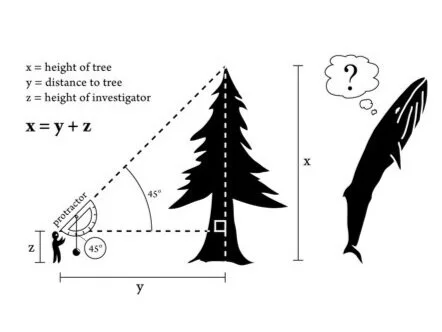
Blue Whale: An Animal of Unusual Size

Author: California Coastal Commission,
San Francisco, California, USA
Ages: 10-18 years old

Blue whales are the largest animals known to have lived on Earth. Could a blue whale fit in your schoolyard—or backyard? Learn to measure the height of a tree in your yard, and compare it to the length of a blue whale.
See Living Schoolyard Activity Guide, page 154

IMAGE © Education outside

IMAGE © Education outside

Calculate Rainwater Runoff

Author: Education Outside and San Francisco Public Utilities Commission, San Francisco, California, USA
Ages: 10-18 years old

In this activity, students in dry climates determine how many gallons of rainwater can be captured from their rooftop and stored in a cistern. These calculations work equally well for thinking about a school or home rooftop.
See Living Schoolyard Activity Guide, page 166

Bringing Outdoor Learning Home!

The three books in this outdoor activity set are available to download for free from our website. Click here to access the books.

The three books in this outdoor activity set are available to download for free from our website. Click here to access the books.

It’s amazing how much can change over the course of a week! Since COVID-19 has required schools to close across the country, most students of all ages are now at home, and most teaching and learning has moved online. If your school, your class, or your family would like to supplement this online education with hands-on outdoor learning and play, we have some ideas for you!

Green Schoolyards America and our partners at the International School Grounds Alliance publish a set of books filled with ideas for outdoor learning, play, and health. This set of 250 hands-on activities and curriculum ideas were contributed by 188 organizations across the United States and 26 countries around the world. The books were originally designed to help schools make the most of their school grounds—but the majority of the ideas can be modified for use in children’s backyards and neighborhoods, close to home.

We plan to publish a series of blogs this month, highlighting outdoor activities from this online collection that are well-suited to our current social distancing situation. This week, the activities we have selected focus on the creative arts! Click here to download free copies of these books, which include the full directions for each of the ideas mentioned below.

We hope you enjoy these activities and we invite you to share them with your friends and colleagues. Please send us photos of your adventures outside, close to home!

PART 1: Explore art in your backyard or neighborhood

Image © Dr. Herb Broda

Image © Dr. Herb Broda

Shades of Green

Author: Dr. Herb Broda, Ashland University,
Ashland, Ohio, USA
Ages: 6-12 years old

This activity challenges students to discriminate among many shades of the same color, as they take a very careful look at their surroundings. Kids can look for shades of green—or brown, if winter is still outside your door!
See Living Schoolyard Activity Guide, page 26

Images © Ayesha Ercelawn

Images © Ayesha Ercelawn

Nature’s Watercolors

Author: Ayesha Ercelawn, La Scuola,
San Francisco, California, USA
Ages: 5-10 years old

Children can grind leaves, flowers, and soil with a mortar and pestle to extract their beautiful colors, and then use the pigments for painting.
See Living Schoolyard Activity Guide, page 27

Image © Karel Komárek Proměny Foundation

Image © Karel Komárek Proměny Foundation

Mountains, Nothing but Mountains

Author: Karel Komárek Proměny Foundation, Prague, Czech Republic 
Ages: 5-12 years old

In this activities, children imagine what it would be like to be very small by making tiny models of people and observing how big a small corner of their garden now looks in comparison.
See International School Grounds Month Activity Guide, page 20

Image © PLAY LEARNING LIFE

Image © PLAY LEARNING LIFE

In a Box

Author: Play Learning Life,
Winchester, England, United Kingdom
Ages: 6-11 years old

Children use a box as a framework to create a visual composition or to tell a story, using natural materials they find outside.
See International School Grounds Month Activity Guide, page 28

Image © Sharon Danks

Image © Sharon Danks

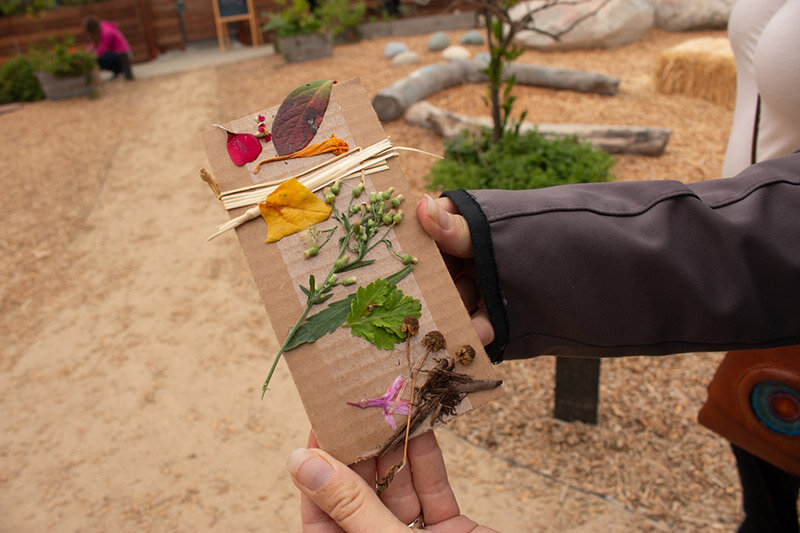
Mosaic Pictures with Natural Materials

Author: Green Schoolyards America,
Berkeley, California, USA
Ages: 4-10 years old

Children use rocks, leaves, and other materials they find outside to create temporary “mosaic” compositions.
See International School Grounds Month Activity Guide, page 30

Image © Susan humphries

Image © Susan humphries

Create Rubbings to Record the Environment

Author: Susan Humphries, The Coombes School,
Berkshire, England, United Kingdom
Ages: 3-18+ years old

Kids collect rubbings from various outdoor surfaces to explore the texture of their surroundings.
See Experiential Outdoor Learning in the Schoolyard, page 5.

Winter Schoolyard Explorations

What can you do in your schoolyard in the winter, when snow is on the ground and tree branches are bare? Sooooo many things, with children of all ages! We would like to invite you and your school to bring your students outside for hands-on learning all winter!

Our Living Schoolyard Activity Guide has an abundance of ideas to help you get started, contributed by organizations across the USA. Click here to download your free copy of this engaging online book which includes the full directions for each of the ideas mentioned below, and more than 200 other activities that can be used year-round.

Try the activities below when snow is on the ground and temperatures are below freezing!

Photo: Shari Wilson

Photo: Shari Wilson

Tree Wonder

Author: Project Central, Kansas City, Kansas
Ages: 5-9 years old

Take your class outside when tree branches are bare in the winter. Spend time observing the branch structure of different types of trees, measure the angles between branches, and record observations with annotated drawings.
See page 31 for directions.


Photo: Sharon Danks

Photo: Sharon Danks

Frozen Schoolyard Art Gallery

Author: Green Schoolyards America,
Berkeley, California
Ages: 3-7 years old

Collect interesting natural elements from the schoolyard landscape, and freeze them inside small disks of ice to create a temporary schoolyard art gallery.
See page 40 for directions.

Photo: Matt McKay

Photo: Matt McKay

Team Building:
The Amazing Winter Race!

Author: Wisconsin Green Schools Network,
Columbus, Wisconsin
Ages: 10-18+ years old

In this activity, students work on team cooperation and fuel their competitive spirit as they race through winter group challenges, including: the sled pull, a five-man snowshoe walk, a GPS sprint, and a snowball throwing competition.
See page 74 for directions.

Photo: Learning by Nature

Photo: Learning by Nature

Subnivian Explorations

Author: Learning by Nature, Bozeman, Montana
Ages: 8-12 years old

In this science activity, students dig a snow pit to investigate the space in and under the snow-pack. They carefully excavate layers of snow to learn more about winter weather patterns and the wildlife, plants, and people who interact with snow.
See page 163 for directions.

We hope you have a good time in the snow! Please write to us at info(at)greenschoolyards.org and share photos of your winter schoolyard adventures.

Collaboration with Lawrence Hall of Science

Green Schoolyards America’s CEO, Sharon Danks, was the keynote speaker for the Lawrence Hall of Science’s BaySci program on February 4, 2020. Photo by Jedda Foreman, Lawrence Hall of Science.

Green Schoolyards America’s CEO, Sharon Danks, was the keynote speaker for the Lawrence Hall of Science’s BaySci program on February 4, 2020. Photo by Jedda Foreman, Lawrence Hall of Science.

Green Schoolyards America had an exciting opportunity this month to collaborate with our colleagues at Lawrence Hall of Science who direct an environmental literacy program called BaySci. LHS’s BaySci program provides professional development, technical assistance, and a network for partner school districts who are “interested and ready to commit to a significant focus on improving K-12 science education.” The program helps school districts to implement Next Generation Science Standards (NGSS) and the Common Core State Standards (CCSS).

The BaySci program includes a series of seminars for school district leadership teams in the San Francisco Bay Area. Green Schoolyards America’s CEO, Sharon Danks, was the keynote speaker at their seminar held on February 4, 2020 in Berkeley, California. She co-created a session with LHS that focused on using school grounds as a hands-on teaching and learning resource for environmental literacy and science curricula, across the K-12 grade levels. The program for the day included an in-depth slide introduction to the living schoolyard field, and time for district teams to discuss the green schoolyard ideas with their colleagues. Since teaching environmental literacy is often accomplished through hands-on, outdoor experiences, school grounds afford a unique opportunity to put learning laboratories within reach of every teacher.

This type of interdisciplinary collaboration between Green Schoolyards America and Lawrence Hall of Science is exciting because both organizations partner with school districts to facilitate systems change at the district level. Our collaborative session allowed us to integrate ideas for school ground land use planning with systematic planning for high quality curriculum. This approach holds great potential for generating significant advances in the field—and in the lives of thousands of children who are served by our partner school districts.

Sharing Experiential Learning with Bay Area Educators

SharonDanks_058_vs-2.jpg

Our colleague, Susan Humphries, MBE, MA, traveled to the San Francisco Bay Area from England at the end of September to collaborate with Green Schoolyards America and our colleagues on four days of public events. She shared a wealth of knowledge and expertise in teaching methods that are based on outdoor experiences and a deep understanding of both the natural world and child development.

It is only once all the senses are engaged that we can begin to immerse children in learning.
— Susan Humphries

Ms. Humphries is the Founding Headteacher of The Coombes School in Berkshire, England, which is famous for its ecologically rich school grounds and the child-centered educational model she pioneered. Her work at Coombes over 50 years has influenced outdoor experiential education for schools around the world. We were honored to collaborate with her and treasured the experience.

The four events Green Schoolyards America created with Susan Humphries and and other partners included:

  • A two-day experiential outdoor learning conference for teachers, held on September 27-28, 2019 in El Cerrito, California. (See previous post about this event)

  • A special workshop for early childhood educators in San Francisco, held on October 1st with San Francisco Children & Nature and other partners

  • A one-day program for Green Schoolyards America’s Principals’ Institute, held on October 2nd in Oakland

The article below describes the two October events in more detail. This was a fascinating and action packed week! We are grateful for the collaboration of all of our amazing partners and program attendees.


Experiential Outdoor Learning in Early Childhood

Visiting Guest Speaker Susan Humphries addresses a group of early childhood educators at our event in San Francisco, October 1, 2019.

Visiting Guest Speaker Susan Humphries addresses a group of early childhood educators at our event in San Francisco, October 1, 2019.

image004.jpg

On October 1st, Green Schoolyards America collaborated with San Francisco Children & Nature to create an event focused on experiential outdoor learning in early childhood. This special workshop was generously funded by our partners at First 5 San Francisco and the Low Income Investment Fund, and was produced in collaboration with San Francisco Recreation and Parks, San Francisco Office of Early Care and Education, San Francisco Unified School District, and Children’s Council San Francisco.

The workshop was held at the Cayuga Club House in San Francisco’s Cayuga Park. It began with a tour of the park and playground—one of San Francisco’s hidden gems with unique themed gardens and whimsical wood carvings created as a labor of love by local legend Demetrio Braceros. Braceros immigrated from the Philippines and is a retired long-time SF Recreation and Parks Gardener.

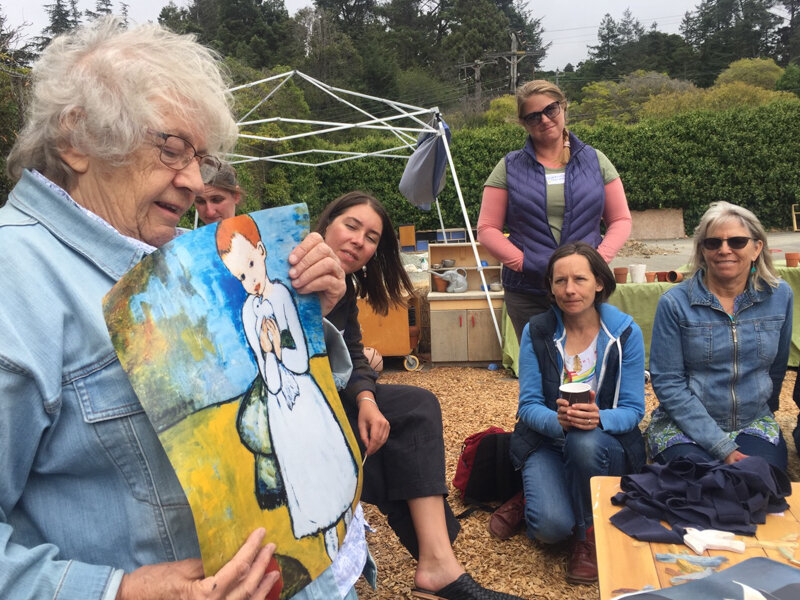
The workshop with Susan Humphries followed the park tour. It included a presentation and discussion session focused on her work at Coombes and her approach to experiential outdoor learning and play on school grounds. Her slideshow included a discussion of children’s social-emotional, mental, and physical health needs in early childhood, and the ways in which preschool and early care settings can develop their outdoor environments to become nature-filled oases that broaden play opportunities and bring curriculum outside. The presentation was followed by a lively discussion with the audience.

Scenes from the event are included below. Photographs by Maria Durana, SF Children & Nature.


Green Schoolyards America’s Principals’ Institute

Susan Humphries leads Principals’ Institute Participants in a discussion and hands-on lesson during our seminar on October 2, 2019.

Susan Humphries leads Principals’ Institute Participants in a discussion and hands-on lesson during our seminar on October 2, 2019.

Green Schoolyards America hosts a year-long program for school principals and school district administrators that provides resources, advice, professional development, and a peer network that helps principals and school district leaders to adopt and sustain comprehensive, high quality, green schoolyard programs at their schools and in their districts. Our Principals’ Institute includes four one-day seminars and three schoolyard site visit days over the course of the year.
Susan Humphries joined us as our featured speaker for the third seminar of the Principals’ Institute, held on October 2nd at the office of Playworks in Oakland. We extend our heartfelt thanks to Playworks for generously offering us the use of their beautiful space.

Our October Principals’ Institute seminar focused on strategies for developing a nature-rich living schoolyard as a tool to engage students in learning across the curriculum—and as an organizing framework for a school’s overall program.

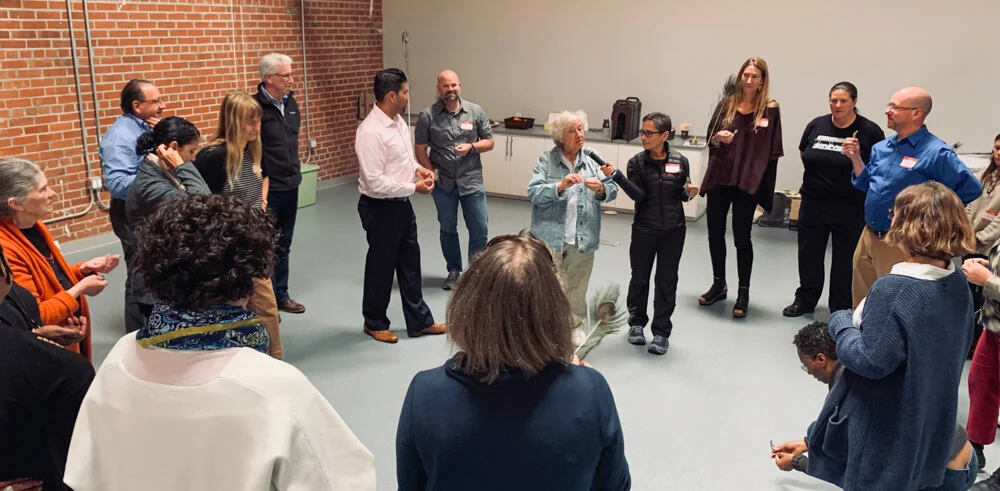
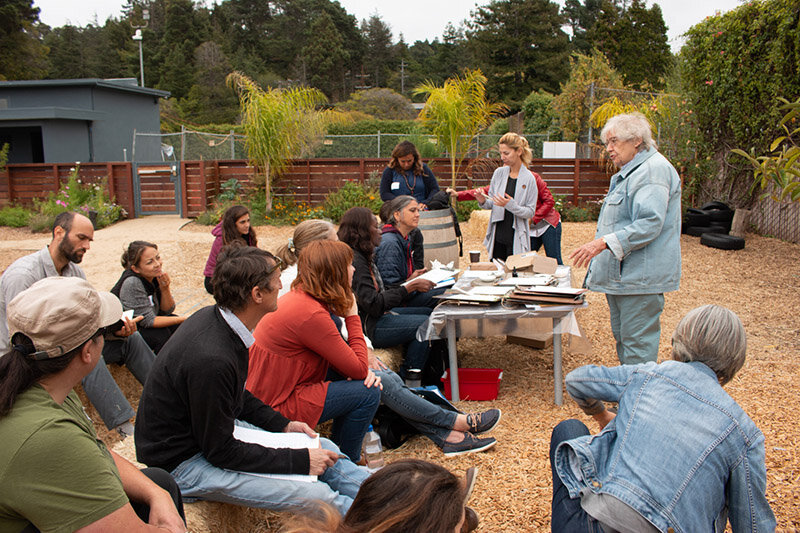
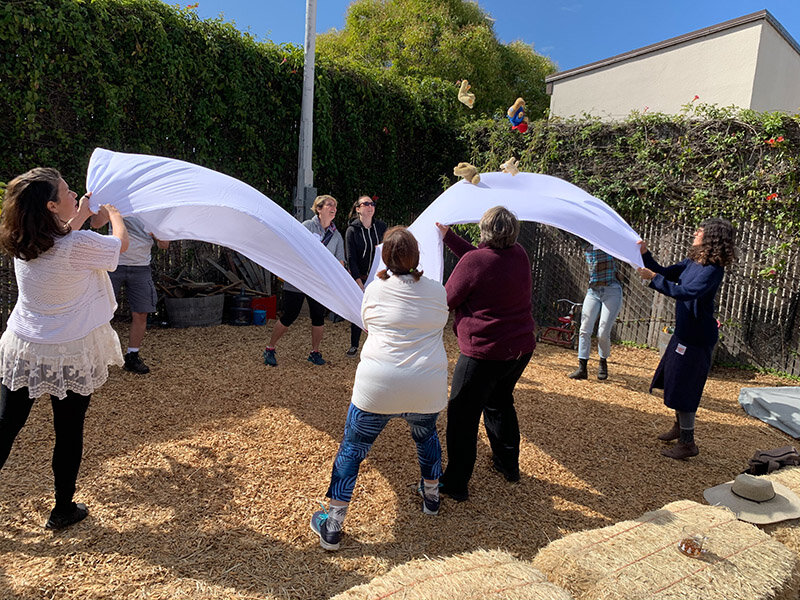
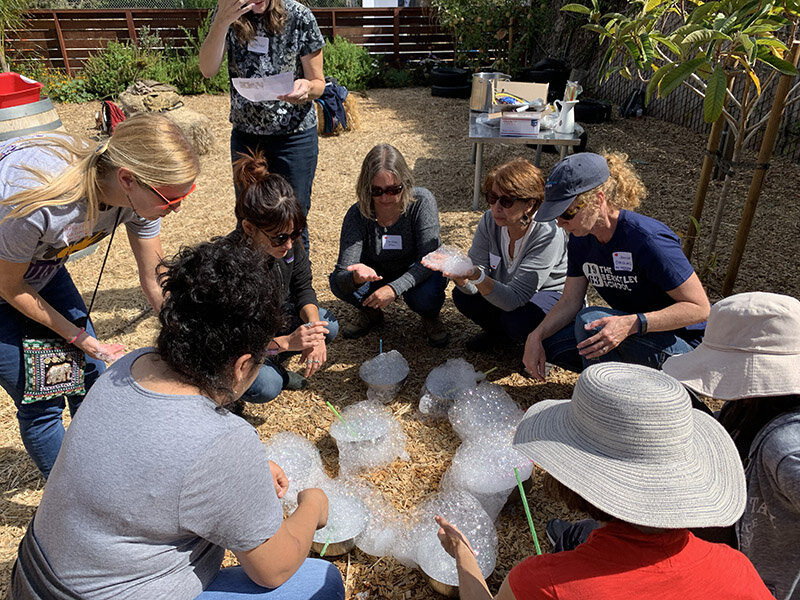
Ms. Humphries gave a keynote presentation to share her work and the educational philosophy she developed at Coombes. She spoke with the assembled group of school administrators as a peer-mentor, sharing her 50 years of experience in shaping her school’s program and leading the school’s faculty. After the presentation we had an engaging discussion with the school leaders and partners in the room, and focused on the ways that school principals and district administrators can shape the educational approach at their schools. Everyone also participated in a short hands-on activity that explored the properties of feathers, as shown below. (Click here to read more about Susan Humphries’s lessons about feathers.)

In the afternoon, Institute participants discussed their ongoing work to advance their school and districts’ green schoolyard program. Susan Humphries provided feedback on their ideas and offered suggestions for next steps.

Principals’ Institute participants tried one of Susan Humphries’s lessons about feathers—integrating natural materials with science concepts (air currents, biology, aerodynamics) and interpersonal skills (cooperation, communication). See pages 17-18…

Principals’ Institute participants tried one of Susan Humphries’s lessons about feathers—integrating natural materials with science concepts (air currents, biology, aerodynamics) and interpersonal skills (cooperation, communication). See pages 17-18 of our new free publication, Experiential outdoor learning in the schoolyard, mentioned below for a detailed description of this lesson and others developed by susan humphries.


Green Schoolyards America worked with Susan Humphries to create a free online book entitled, Experiential Outdoor Learning in the Schoolyard.

Our new book includes detailed descriptions of the engaging experiential outdoor lessons Ms. Humphries modeled during our Principals’ Institute and at our conference in September.

Please visit our schoolyard activity webpage to download your own copy of this book and the other free schoolyard learning, play, and nature activities in our extended book set.

We hope our readers will try these outdoor activities with their own schools, and will share photos of their schoolyard adventures with us!

Learning Takes Flight in Green Schoolyards

Photo by Shirl Buss

Photo by Shirl Buss

Green Schoolyards America was honored to feature the work of our esteemed colleague, Susan Humphries, MBE, MA, at a two-day conference in the San Francisco Bay Area on September 27-28, 2019. Ms. Humphries traveled from England to share her expertise in teaching methods based on hands-on outdoor experiences and a deep understanding of both child development and the natural world. The conference included 12 hands-on workshops that explored Ms. Humphries educational philosophy and her amazingly creative, engaging curriculum ideas.

This article is the second in a series intended to share what we learned from Susan Humphries during her visit, and focuses on activities we explored that relate to birds and the magic of flight.

Properties of Feathers

Several workshops offered at the conference focused on the physical properties of feathers and the ways that they interact with the air to help birds fly. These hands-on curriculum lessons blended scientific investigation techniques with play and visual art in a manner designed to spark curiosity and hold students’ interest.

In one workshop, conference participants explored the structure of feathers by looking closely at a wide variety of small pin feathers, selected for their beautiful colors and patterns. Participants identified the central shaft (quill), parallel barbs, and smaller filaments (barbules) that “zip” together to create a flat, smooth surface on each feather, designed to catch the wind and help birds generate lift. They also deconstructed their feathers to understand more about them.

susan Humphries teaches the workshop

susan Humphries teaches the workshop

Participants examined many feathers

Participants examined many feathers

Feather detail showing barbs & barbules

Feather detail showing barbs & barbules

Another workshop examined the ways that feathers move in the air by trying a series of activities with different types of feathers and feather-filled pillows. Participants experimented with casting small amounts of tiny feathers into the air to watch the breeze carry them. Then, they worked with a partner to see if they could direct a single (small) feather’s flight, using air currents they generated with their breath or their hands. Next, participants tried balancing long peacock feathers in the palm of their hand, compensating for the light breeze blowing across the playground—as shown in the video below.

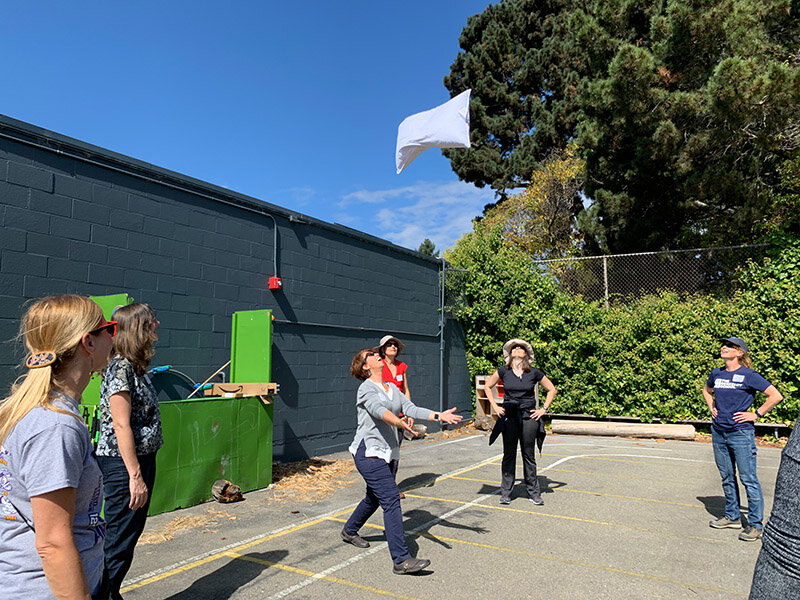
The workshop participants also experimented with the ways that feather-filled pillows interact with the air, by tossing a pillow to one another as they stood in a circle. The feathers inside the pillow slow its speed as it travels, and the pillow makes a nearly silent landing when it is caught or dropped.

Participants tossed a feather pillow in the air to observe how the feathers contained inside helped to slow the object’s movement.

Participants tossed a feather pillow in the air to observe how the feathers contained inside helped to slow the object’s movement.

Experiential History

Susan Humphries’s educational philosophy includes an experiential approach to teaching history. Many of her lessons make history come alive for children using hands-on experiences with ordinary aspects of life that were more common in past centuries. Two of our workshops explored this idea through our theme of birds and flight—while also providing windows into “cutting edge communications technology” of the past.

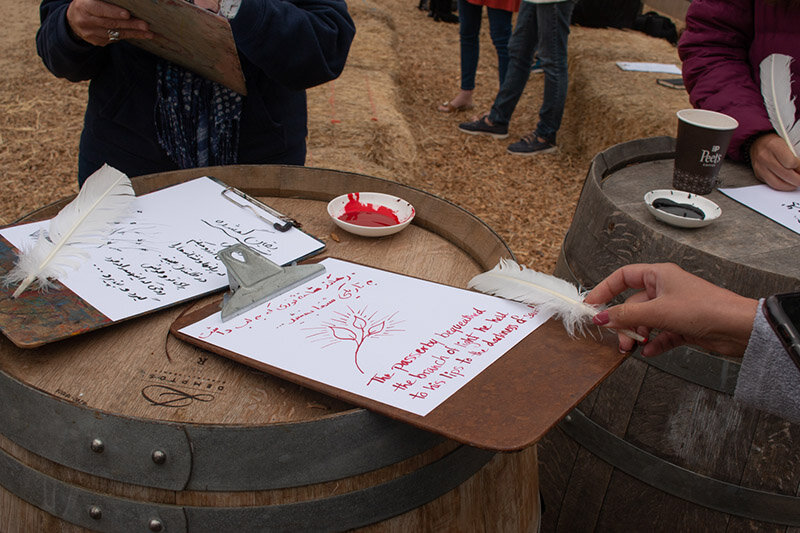
In one workshop, participants learned traditional writing techniques using a turkey quill. Each person trimmed their own quill to have a suitable writing point and then used their new feather pen with red and black ink to practice drawing pictures and writing text. Indelible inks and feathers like these were used to write important documents such as the Magna Carta and everything else—from bills of sale, to laws, and letters—in past centuries.

Cutting a suitable writing point on a turkey feather quill

Cutting a suitable writing point on a turkey feather quill

Using a turkey quill pen to practice writing, with red ink

Using a turkey quill pen to practice writing, with red ink

Using a turkey quill pen to practice writing

Using a turkey quill pen to practice writing

Homing pigeons were also one of the fastest ways to send a message over long distances in the centuries before planes, trains, automobiles, telephones, and computers. When they traveled, people would bring pigeons from their coop at home with them on their journey, and then release them with tiny messages tied to their legs when they reached their destination or had another important idea to communicate with friends, family, and colleagues.

At the end of the first day of our conference, we were grateful to have pigeon expert Bill Milestone join us with a delightful flock of pigeons he raises at his home in San Francisco. After teaching us about his pigeons, conference attendees released them so that they could fly back home, across San Francisco Bay.

Releasing pigeons with children at their school presents a wide range of potential curriculum ties including:

  • geography lessons, tracing the start and end points of the pigeons’ journey

  • the history of communication technology

  • flight aerodynamics

  • biological homing mechanisms of birds

  • animal husbandry and training techniques

Releasing pigeons also presents opportunities to teach empathy and spark wonder, while having an enjoyable experience in a very memorable way. The video below shares the magical moment of our pigeon release at the conference.

Pigeons and doves in art

As Susan Humphries tells us, "The affinity between people and birds goes back centuries and still resonates today. Pigeons and doves, in particular, appear in artwork across cultures around the world, in both secular and religious contexts.”

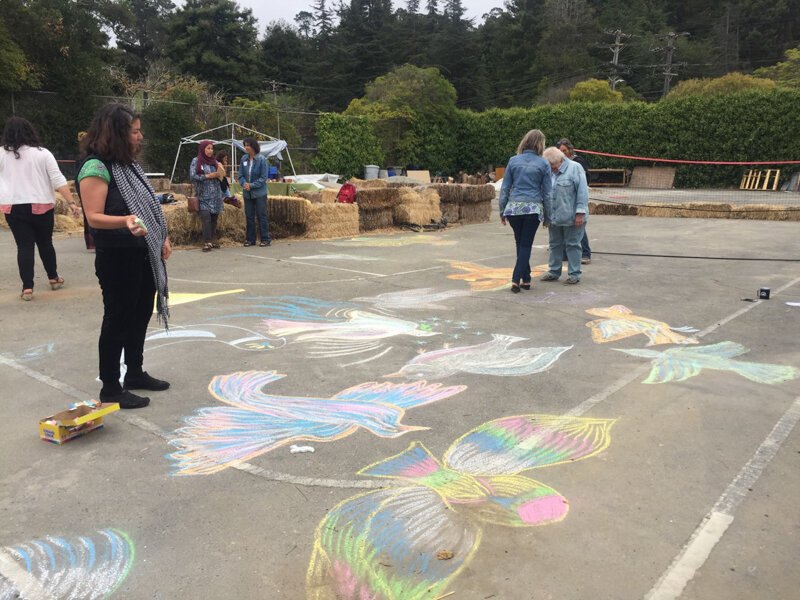
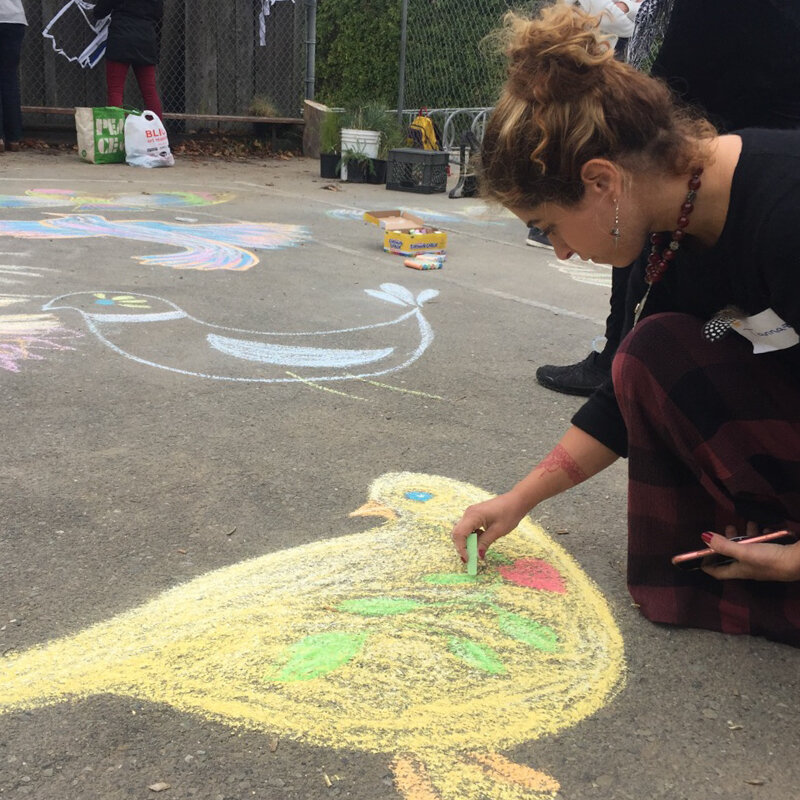
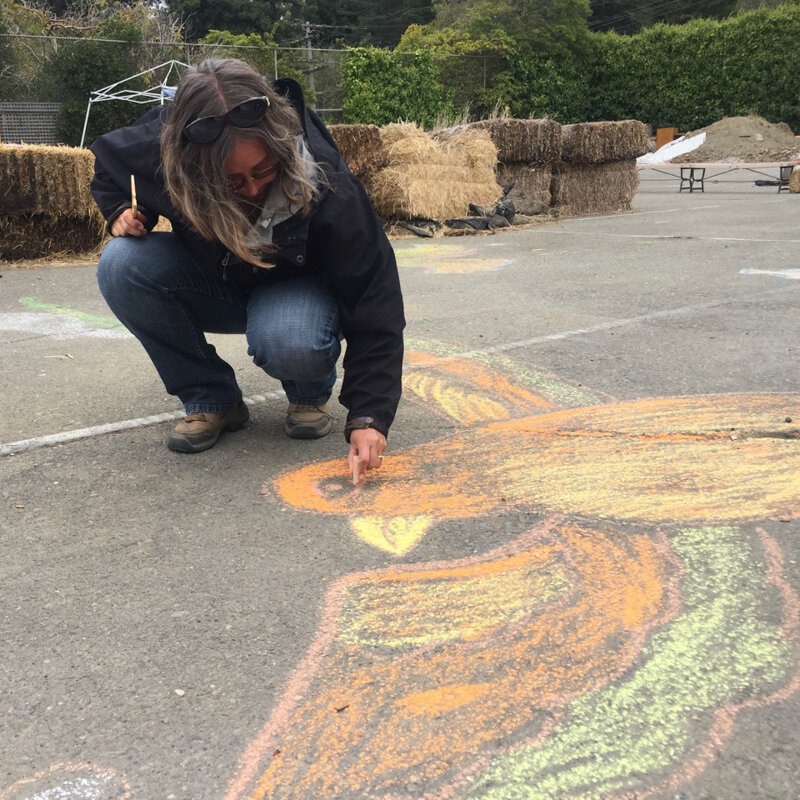
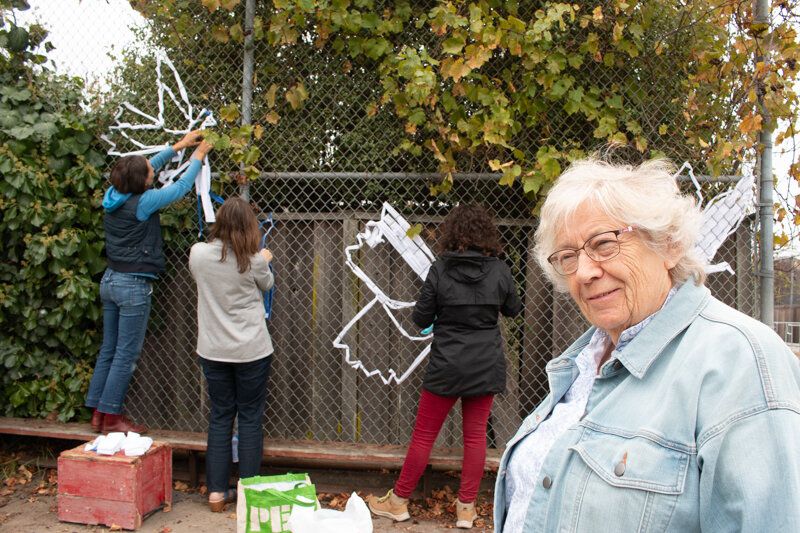
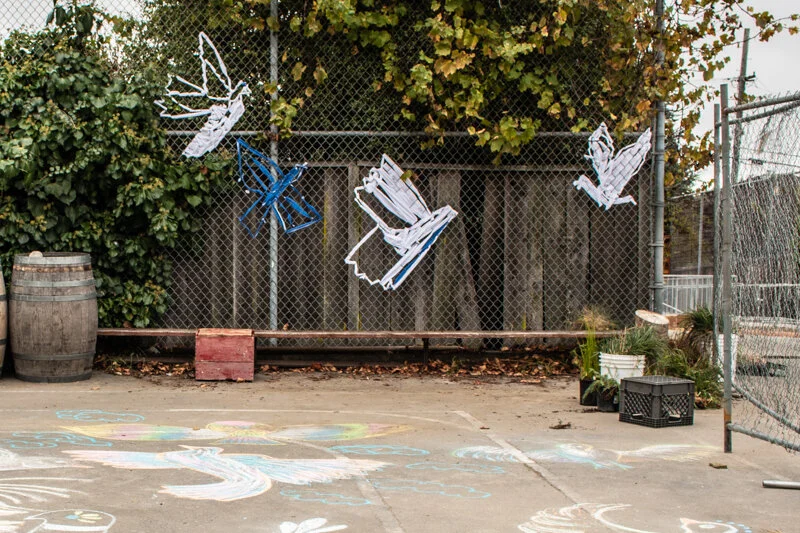
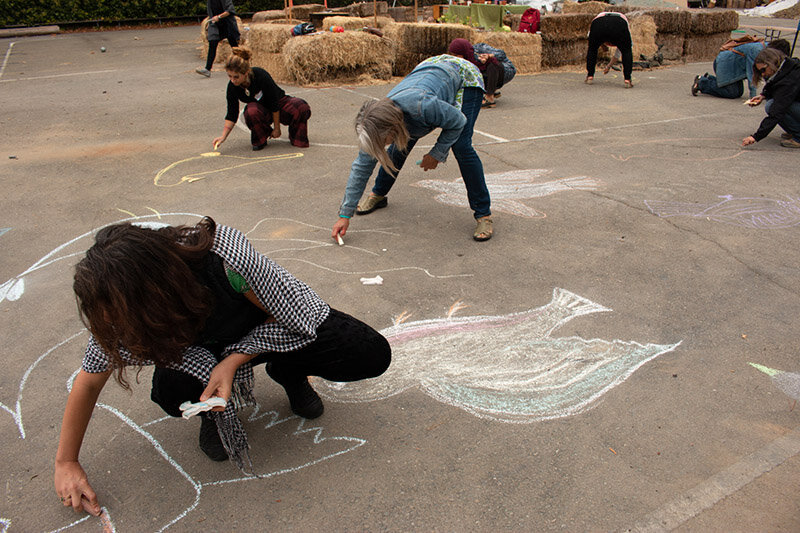
In our workshop activity on this theme, participants explored the ways that pigeons and doves have been represented in art, and then tried their hands at making their own artwork that included birds. During the workshop they drew large scale, colorful chalk pictures of birds on the schoolyard’s asphalt, and wove peace doves into the chainlink fence using strips of cloth.

Photos above by Shirl Buss and Green Schoolyards America

We hope that this interdisciplinary exploration of birds will inspire you to try some of these lessons at your own local school. Please send us photos to share your work!


Detailed descriptions of each of the workshops described in this article are included in a free online book Green Schoolyards America created with Susan Humphries entitled, Experiential Outdoor Learning in the Schoolyard. Please visit our schoolyard activity webpage to download your own copy.

For detailed directions about how to implement the bird-related lessons described above, please see pages 6, 7, 10, and 17 of this new publication.


Explore the Art of Arcimboldo in Your Schoolyard

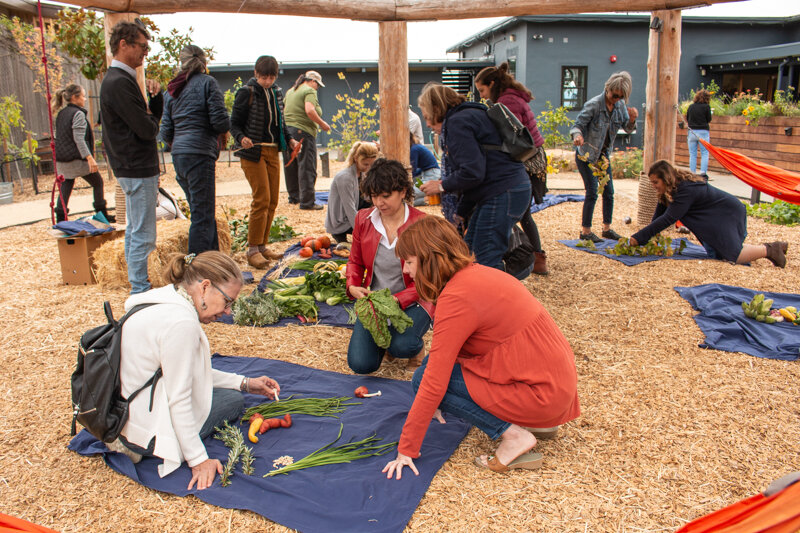
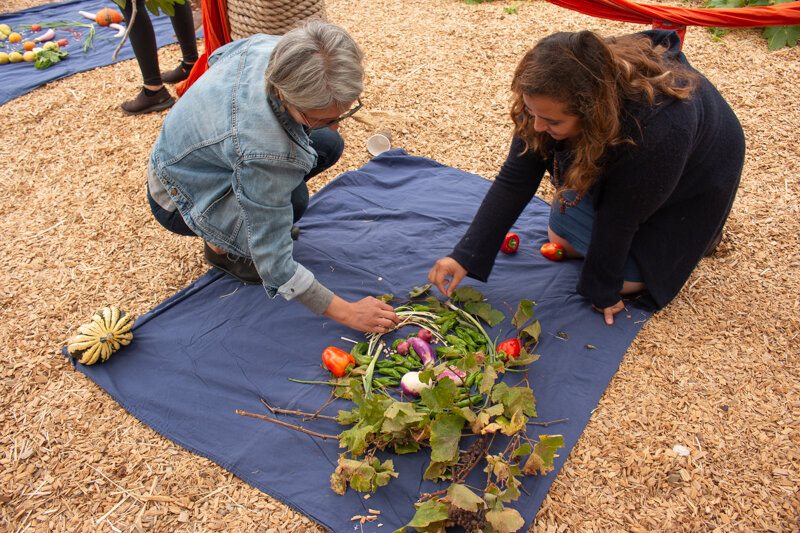
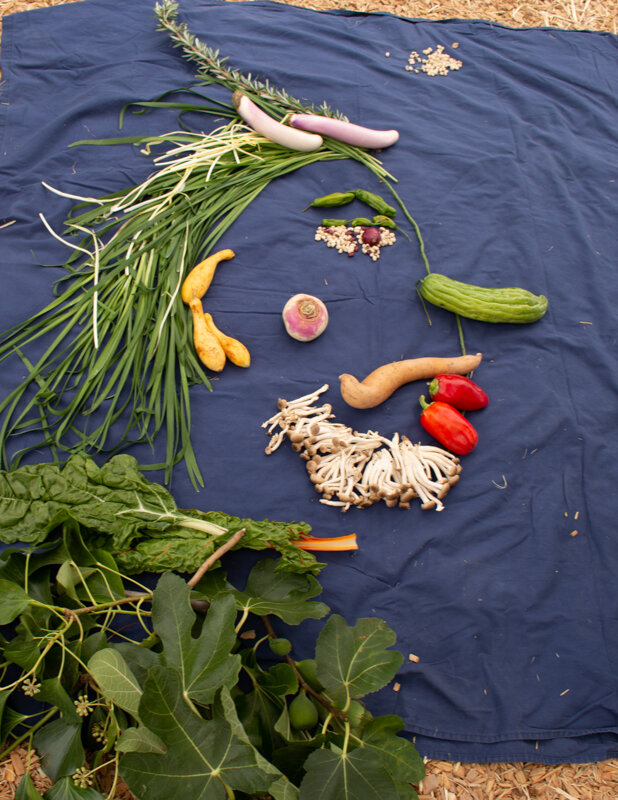
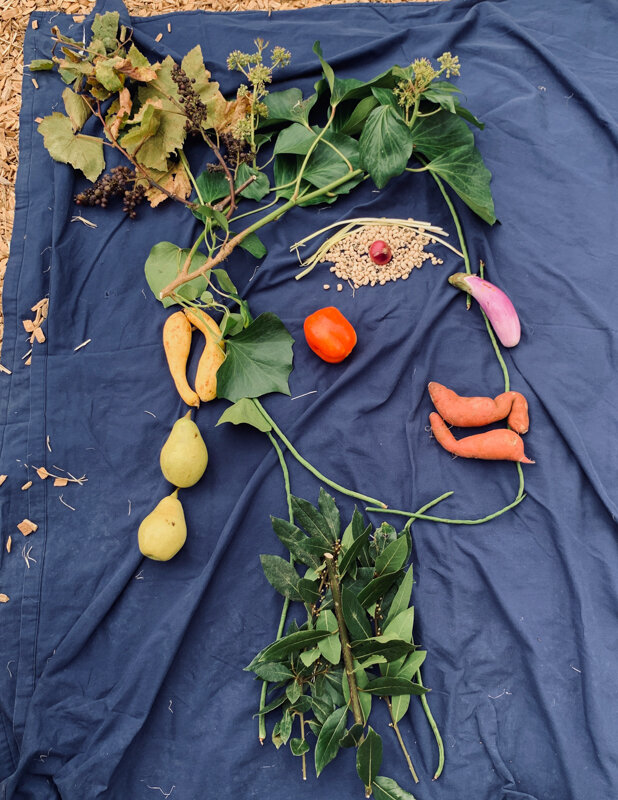
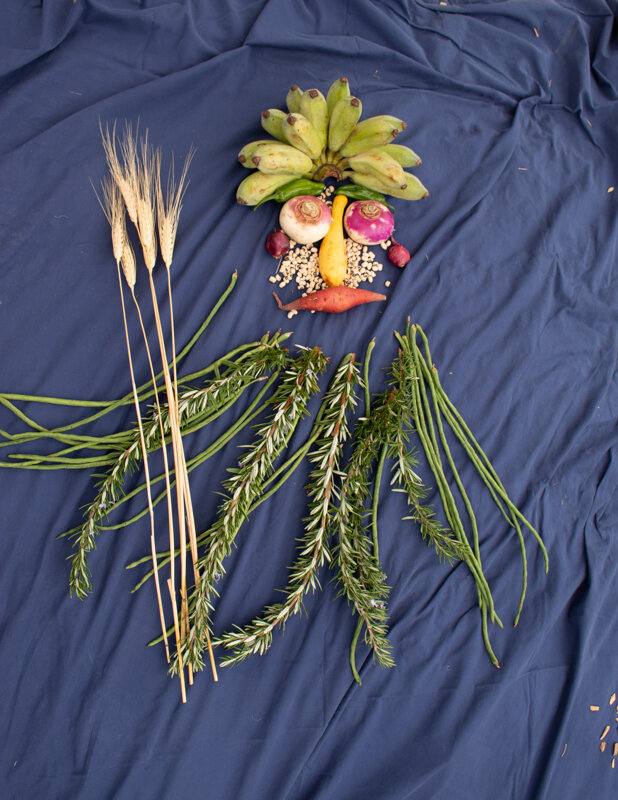
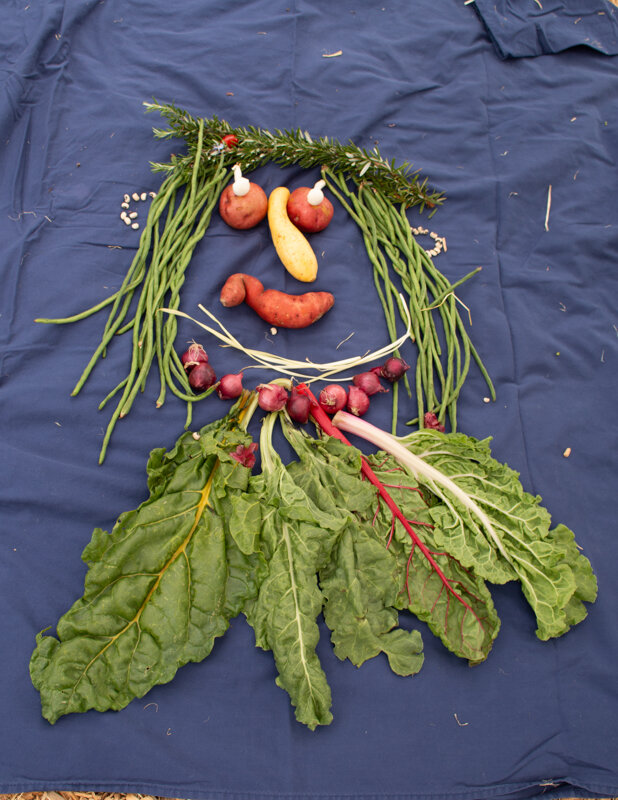
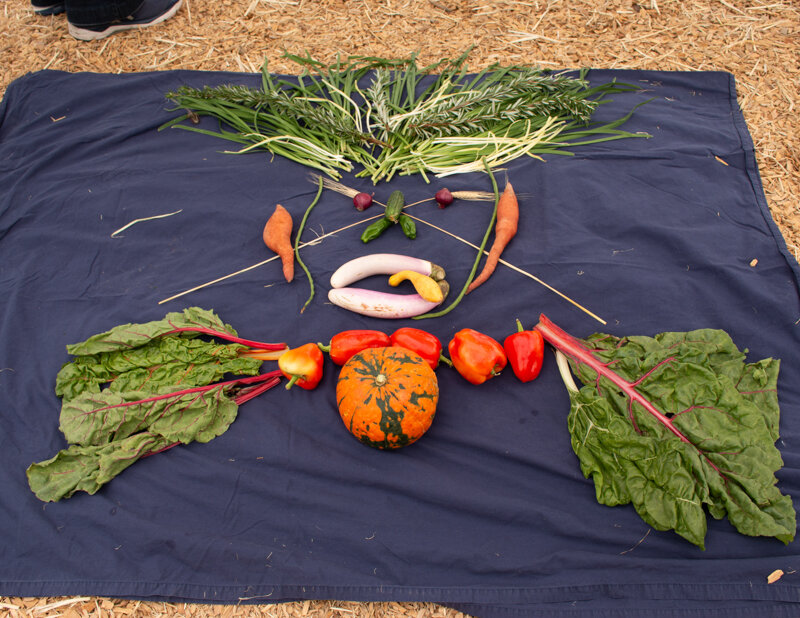
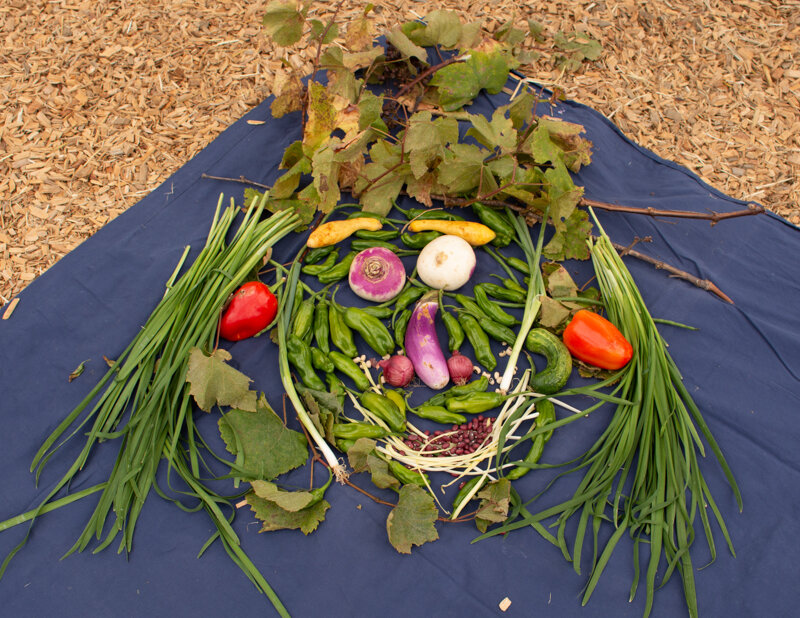
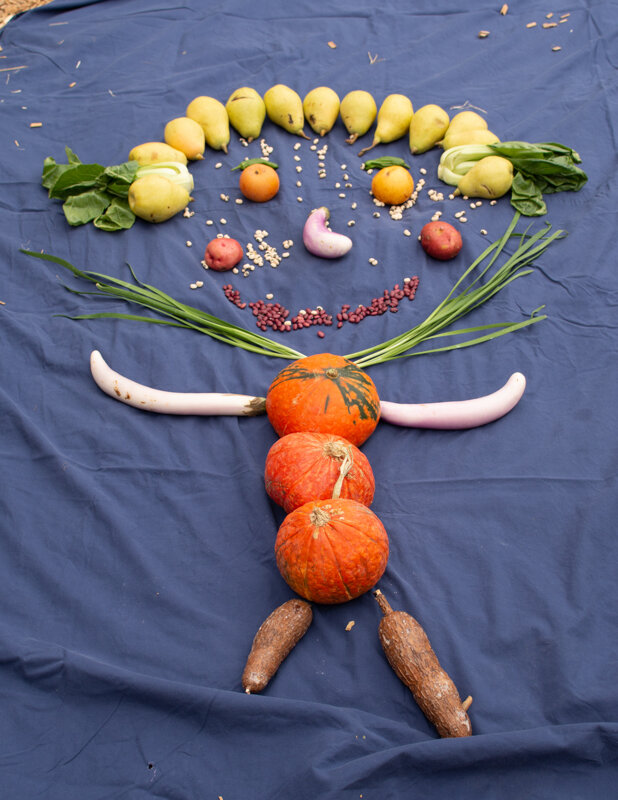
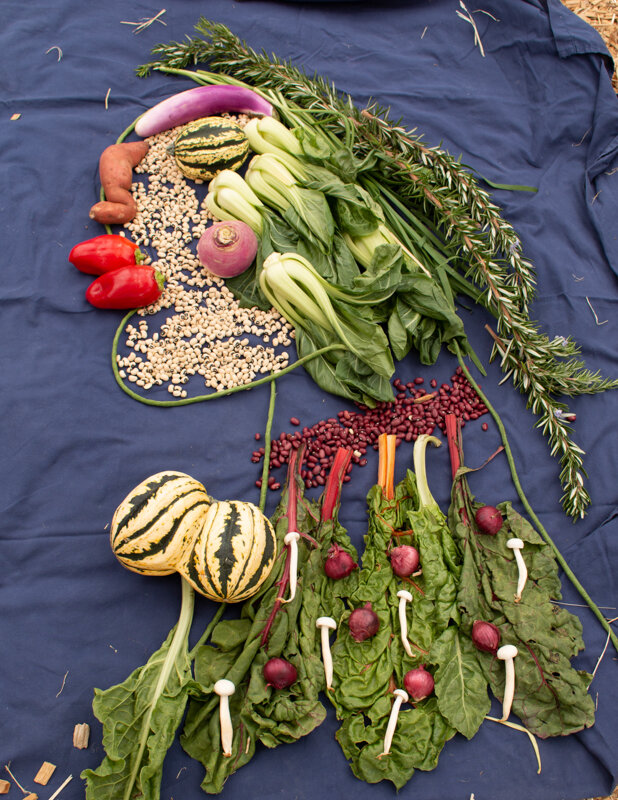
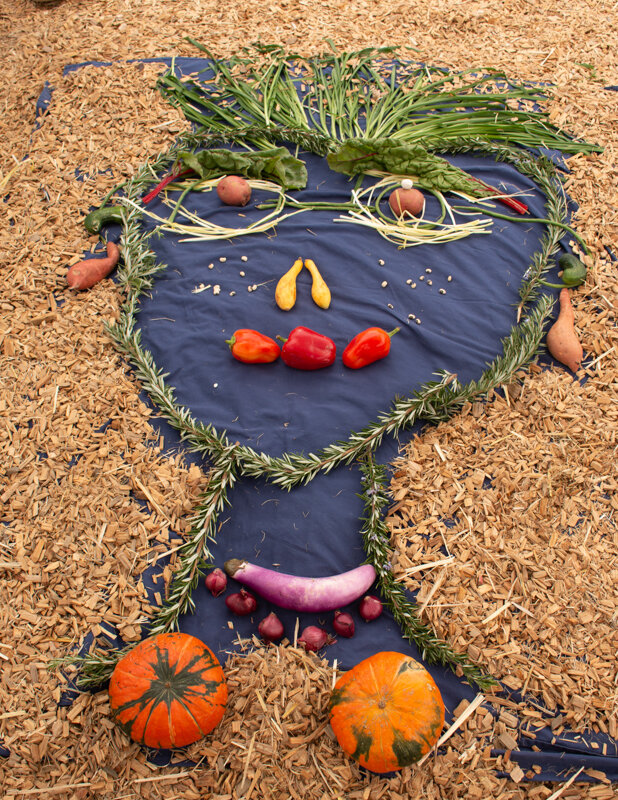
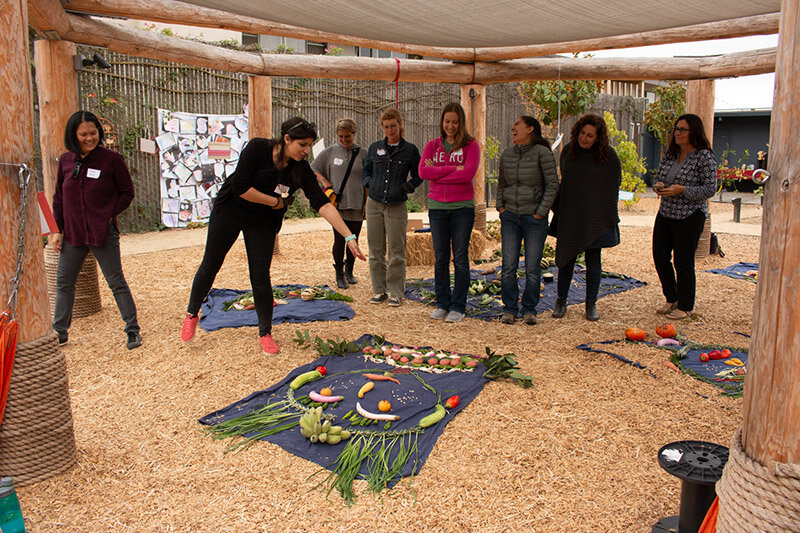
Conference participants work on creating a vegetable and herb masterpiece, inspired by Arcimboldo.

Conference participants work on creating a vegetable and herb masterpiece, inspired by Arcimboldo.

Green Schoolyards America was honored to feature the work of our esteemed colleague, Susan Humphries, MBE, MA, at a two-day conference in the San Francisco Bay Area on September 27-28, 2019. Ms. Humphries traveled from England to share her expertise in teaching methods that are based on hands-on outdoor experiences and a deep understanding of both child development and the natural world. The conference included 12 hands-on workshops that explored Ms. Humphries educational philosophy and her amazingly creative, engaging curriculum ideas.

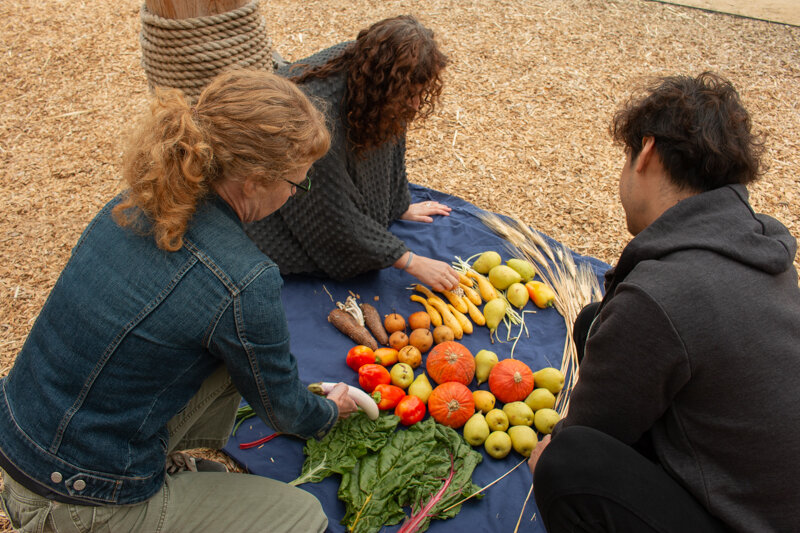
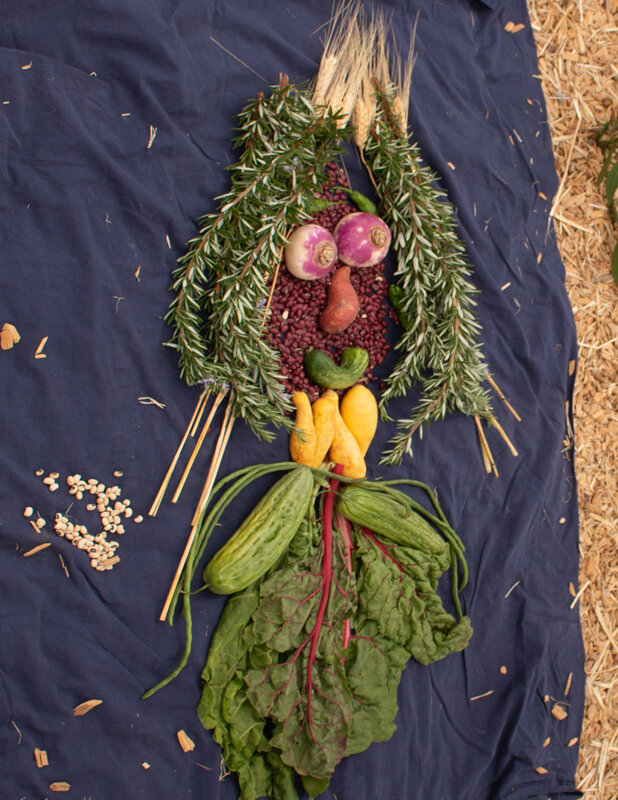
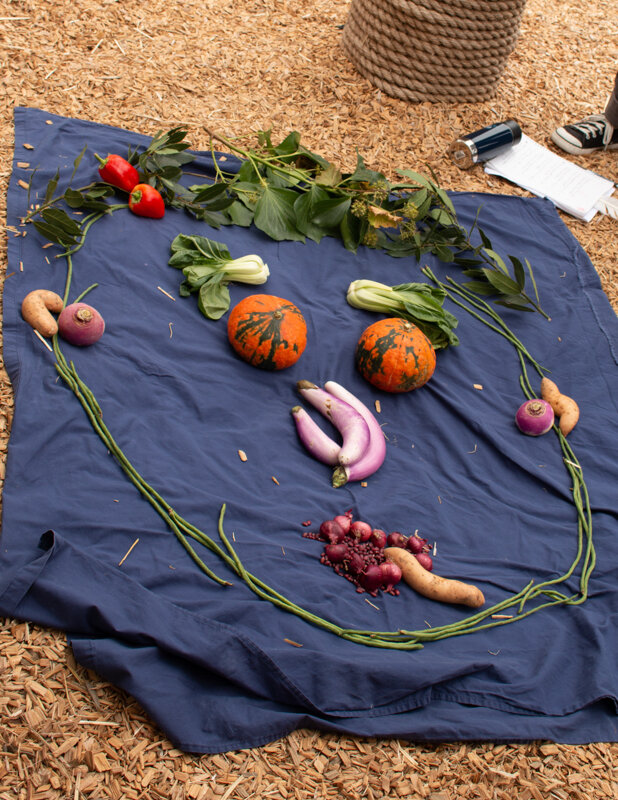
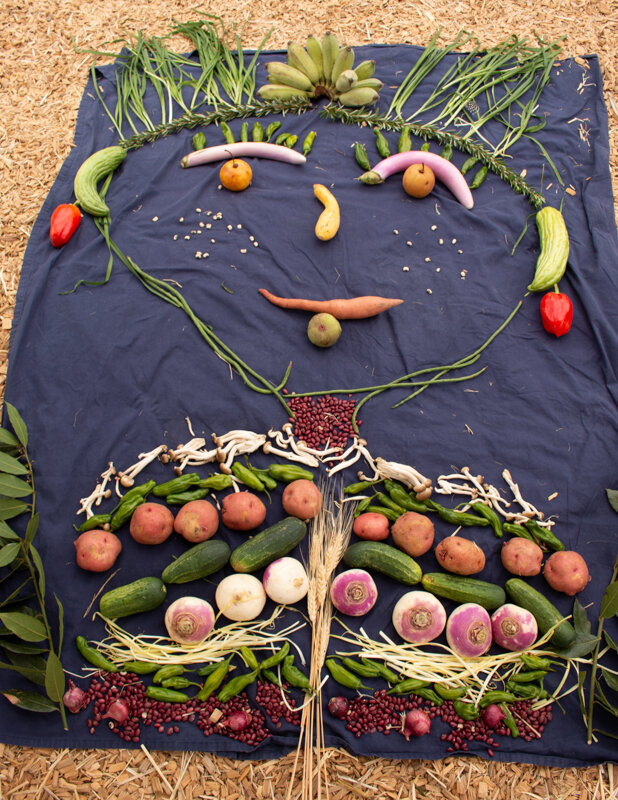
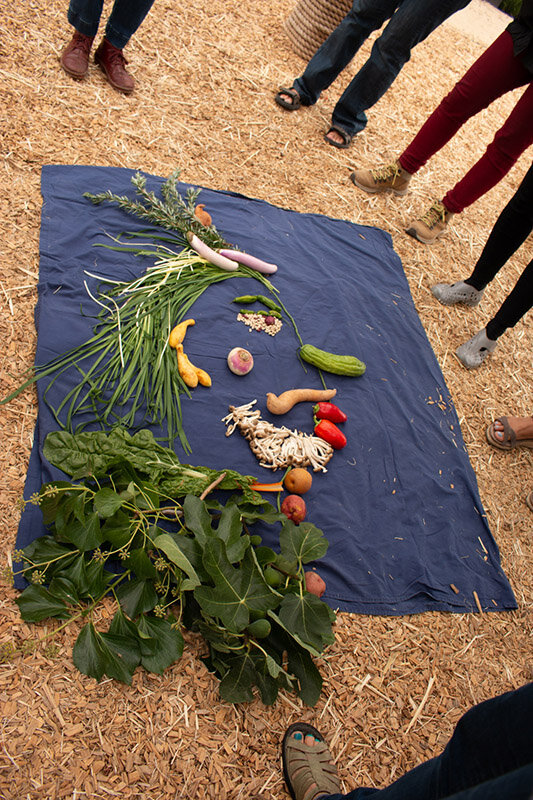
This is one of the portraits created by conference participants during the workshop.

This is one of the portraits created by conference participants during the workshop.

This article is the first in a series intended to share some of what we learned from Susan Humphries during her visit, and focuses on a special art lesson that is also connected to history, agriculture, and food.

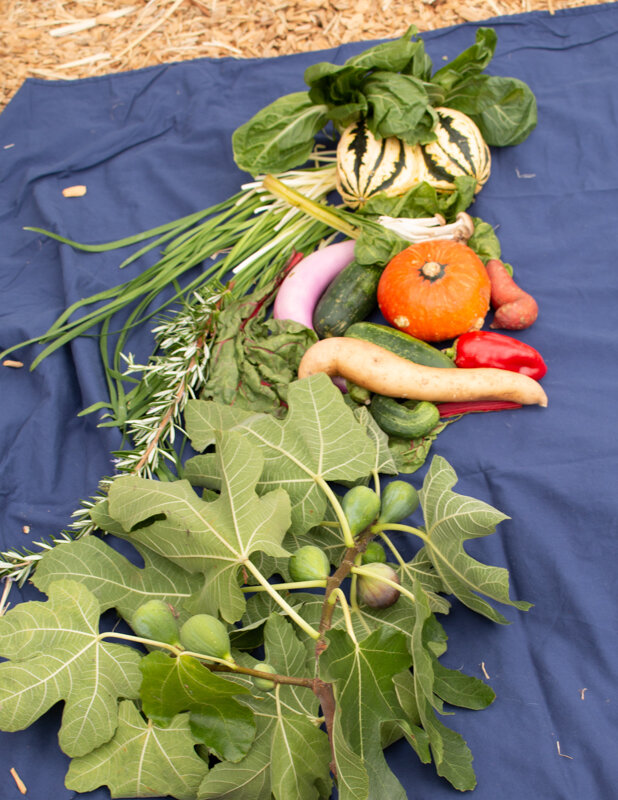
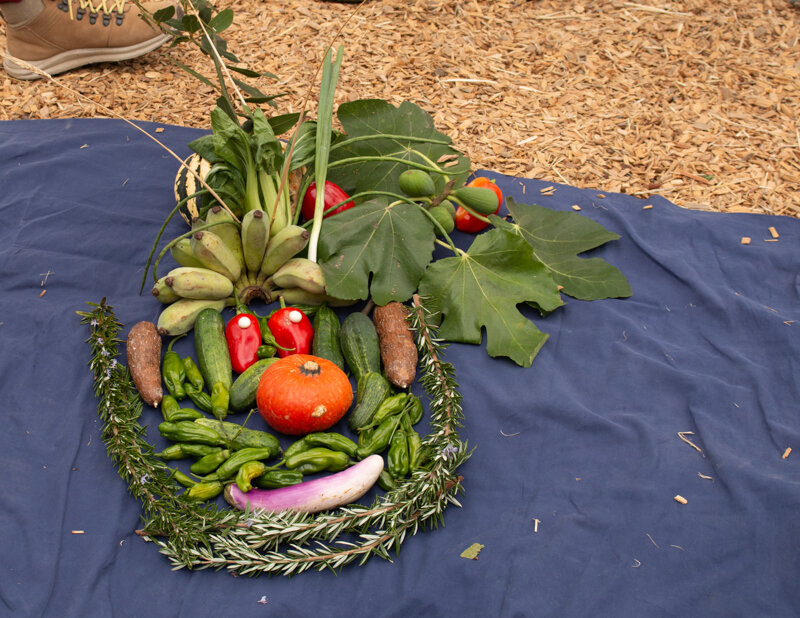
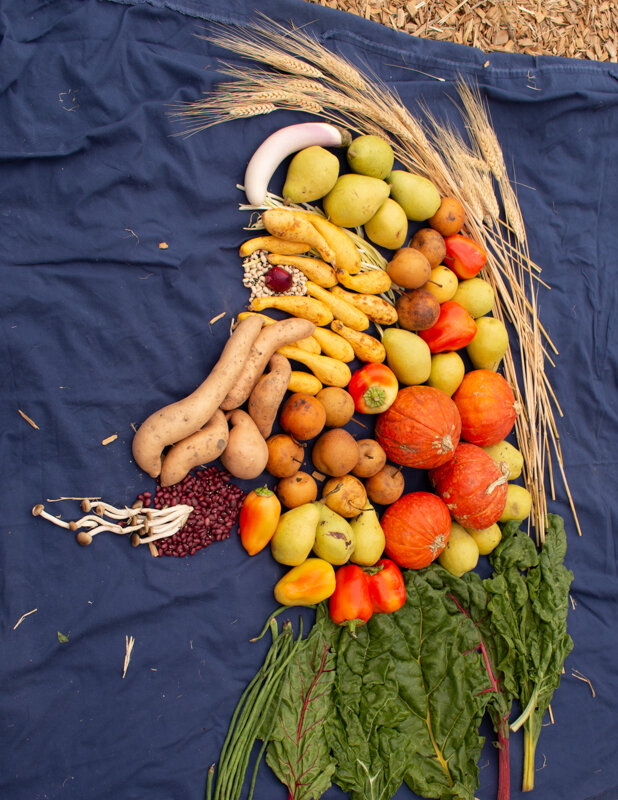
We are grateful for Full Belly Farm’s generous donation of beautiful organic vegetables, fruits, and herbs used in our conference workshop and shown in the images below.

Create a Portrait Inspired by Arcimboldo

Giuseppe Arcimboldo (1526-1593) was an artist with a fascination for plants, and especially vegetable forms. He became a resident court painter for Emperor Maximillian at his court in Vienna, Austria and was given free rein to indulge his interests. The result was a set of ingenious masterpieces which were added to the royal collection. Many of Arcimboldo’s paintings were portraits rendered using the forms of vegetables, fruits, and other plants to convey their subject. Today, many of his works can be viewed at the National Art Gallery in Vienna and online. 

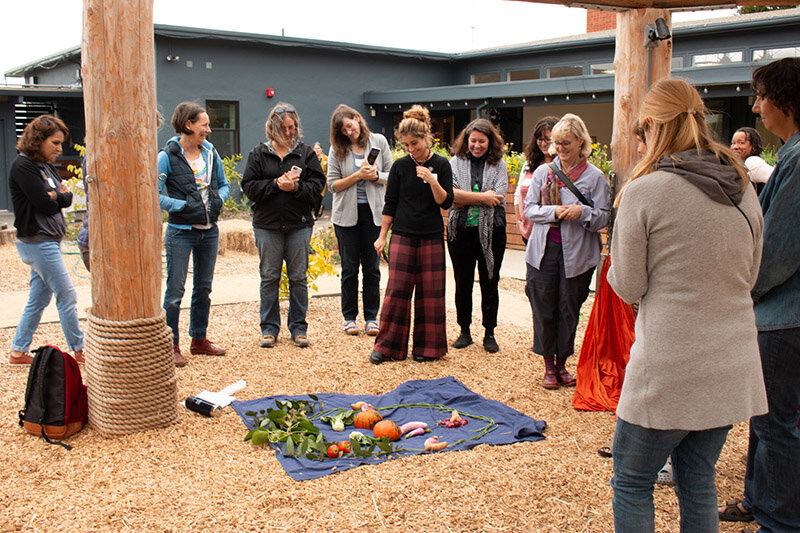
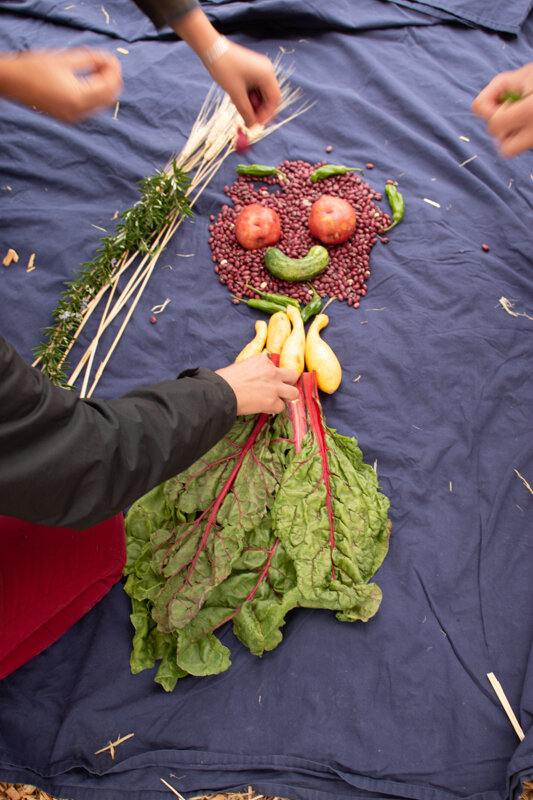
Conference participants select produce from the central display as they begin their vegetable portraits.

Conference participants select produce from the central display as they begin their vegetable portraits.

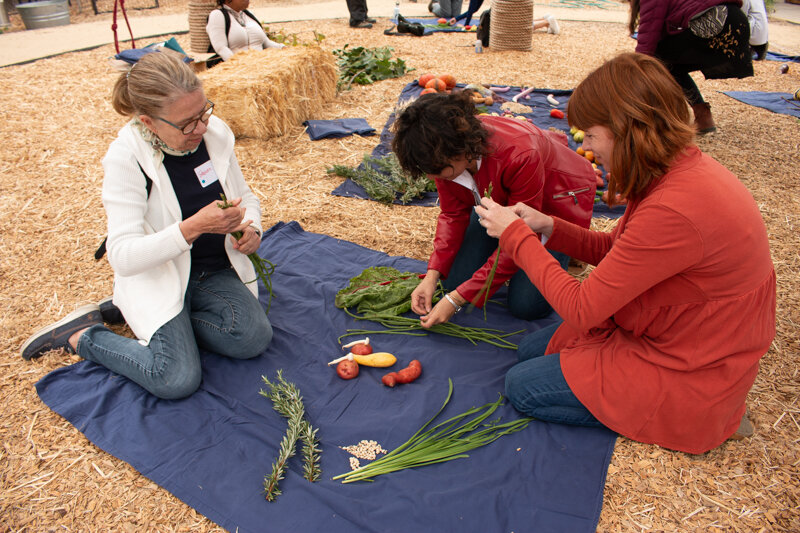
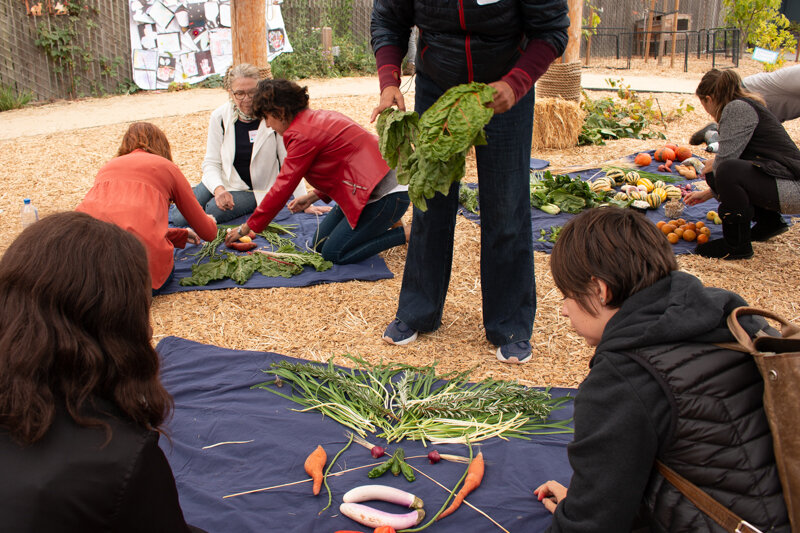
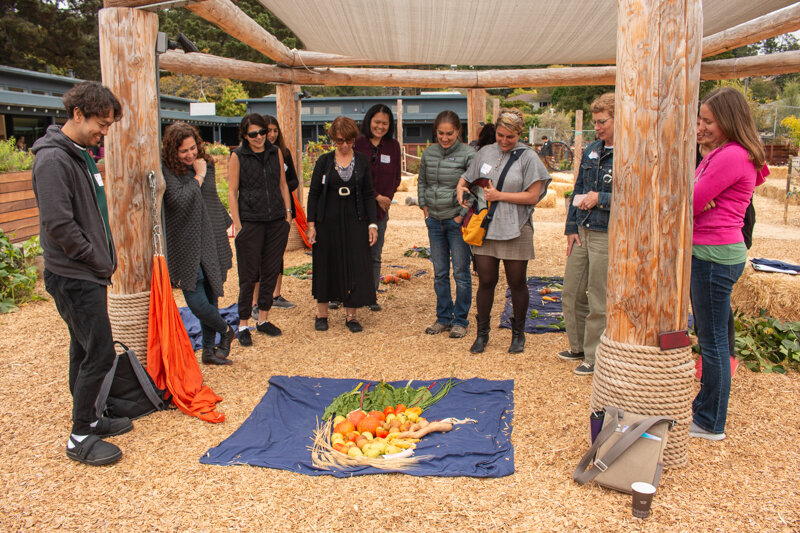
In our conference workshop, participants worked with a wide assortment of fruits, vegetables, herbs, and dried beans, that were generously donated by Full Belly Farm, and also purchased from local stores and gathered from our gardens. To begin, we spread a clean sheet on the mulch-covered school playground, and participants arranged the produce in an artful display. We gathered our workshop group around the display and reviewed all of the names of each item, passing some unfamiliar items around the circle so that they could be examined more closely. Next, we discussed Arcimboldo’s work and reviewed images of some of his most famous paintings to understand his artistic style. (Images of Arcimboldo’s work can be viewed on this website.)

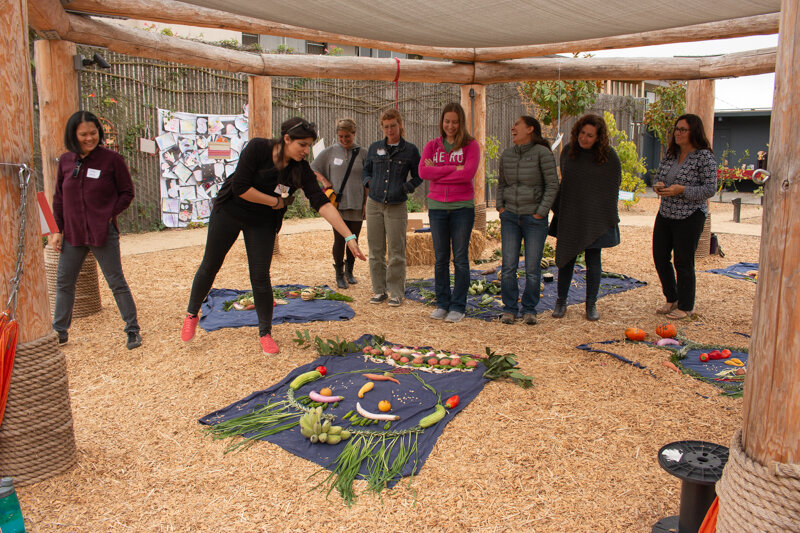
Our goal for this workshop—which was limited by a 25 minute time frame—was to work in groups to create temporary vegetable portraits inspired by Arcimboldo’s style and process. Participants split into small groups of 2-4 people, and each began creating their vegetable portraits on their own sheet of cloth, on the ground. Before long, each group had created their own masterpiece!

We closed our session with a “gallery walk” to enjoy and discuss each group’s creations. After the gallery walk, participants photographed their work and then returned the produce to the central display where they made another artful arrangement for the next workshop group to use in the same way. If we had had more time, we could have also taken Arcimboldo’s approach one step farther, and painted pictures using the vegetable portraits as still life models for the finished painted works.

At the end of the day, the produce was still in excellent condition, having been handled very gently, and was given to the host school to cook in its kitchen, as Ms. Humphries always did with her own students when she was the principal of The Coombes School.

We hope you will try this lesson with students you work with, and that you will share your photos of your artistic adventures with us!


A detailed description of the curriculum lesson described in this article is included in a free online book Green Schoolyards America created with Susan Humphries entitled, Experiential Outdoor Learning in the Schoolyard. Please visit our schoolyard activity webpage to download your own copy. You will find this lesson about Arcimboldo on page 9 of this publication.

Successful Conference: Experiential Learning in the Schoolyard

Conference attendees released homing pigeons at the end of the first day of the conference in a session led by Susan Humphries and pigeon expert Bill Milestone. Releasing pigeons presents a wide range of potential curriculum ties including: geograph…

Conference attendees released homing pigeons at the end of the first day of the conference in a session led by Susan Humphries and pigeon expert Bill Milestone. Releasing pigeons presents a wide range of potential curriculum ties including: geography, the history of communication technology, flight aerodynamics, and biological homing mechanisms. It also presents opportunities to teach empathy and spark wonder, while having an enjoyable experience in a very memorable way.

Green Schoolyards America was honored to feature the work of our esteemed colleague, Susan Humphries, MBE, MA, at a two-day conference in the San Francisco Bay Area on September 27-28, 2019. Ms. Humphries traveled from England to share her expertise in how to use school grounds to foster children’s learning, play, and happiness. She brought a wealth of knowledge in teaching methods that are based on hands-on outdoor experiences and a deep understanding of both child development and the natural world.

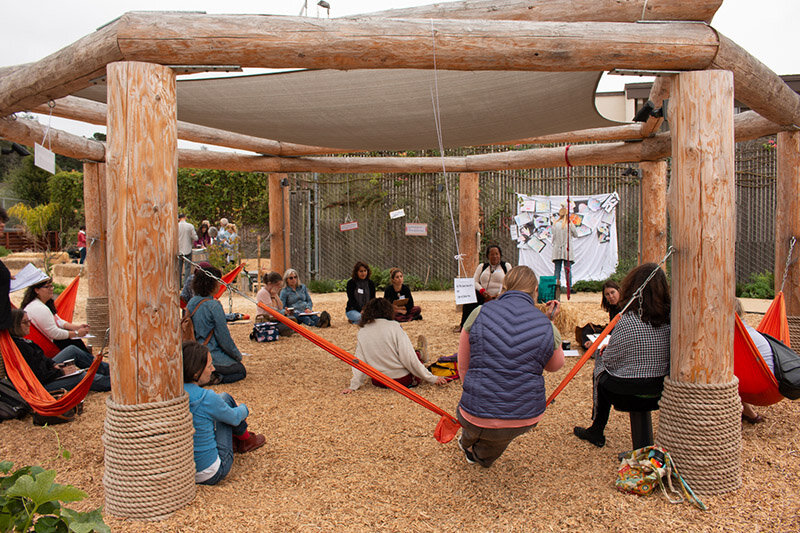
The conference was held on the beautiful grounds of Golestan School in El Cerrito, California, which was an ideal venue for the 12 hands-on workshops over the course of the event. We extend a heartfelt thank you to Golestan School for warmly welcoming us and opening their grounds for this special event!

Susan Humphries shared her perspective and ideas with vibrant slideshows on each day of the event, and conference participants engaged in a lively discussion with her.
Susan Humphries shared her perspective and ideas with vibrant slideshows on each day of the event, and conference participants engaged in a lively discussion with her.
Learning from Coombes

Each morning, the conference began with a different keynote presentation by Ms. Humphries. She shared her experiences transforming the curriculum and grounds of The Coombes School in Berkshire, England, where she was the founding principal and led the school for almost 40 years. She explained that when she started her work at Coombes, the setting was very basic—just a wide open grassy field and a small patch of asphalt. Over the years, she and her students and their school community planted hundreds of trees on the 6 acre site, transforming it into a biologically rich woodland environment that offered endless opportunities for teachers to teach outside and for children to explore the natural world around them. The photographs below show this remarkable transformation.

views of the coombes school in 1971 and 1985 (above) show the change that occurred on school grounds over time, as Ms. Humphries, her students, and their school community planted hundreds of trees on the 6 acre site. Photos by Susan humphries.

views of the coombes school in 1971 and 1985 (above) show the change that occurred on school grounds over time, as Ms. Humphries, her students, and their school community planted hundreds of trees on the 6 acre site. Photos by Susan humphries.

Hands-on Workshops

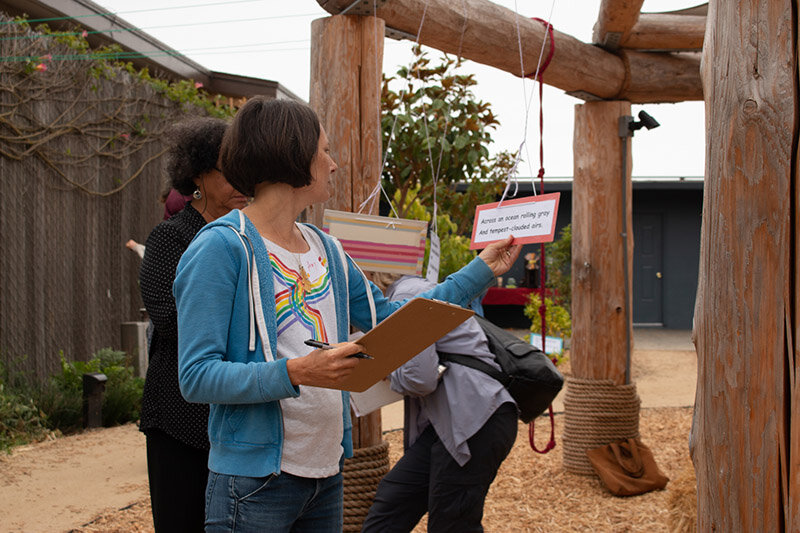
After Ms. Humphries’s morning presentations, participants engaged in 6 hands-on outdoor workshops each day, related to the examples she gave during her slideshows. The workshops blended poetry, visual art, art display, and performance, with science, math, experiential history, and writing. Many of the activities emphasized hands-on investigation, observation skills, analysis, teamwork, and symbolism. Others highlighted the magic and wonder of the natural world, a sense of place, reflection, empathy, and peace.

The photographs below offer glimpses of the workshops in action. We will post additional blogs in the coming weeks that highlight the workshops in more detail.

New free publication

After the conference, Green Schoolyards America worked with Ms. Humphries to capture the essence of our hands-on workshops in written form. We are very pleased to be able to share a short new book of outdoor learning ideas, based on the conference’s workshops and Ms. Humphries’s work at Coombes. We hope that you—our readers—will try these activities with students at your own local schools.

Please click here to download your own free copy of this new publication entitled, Experiential Outdoor Learning in the Schoolyard. We also hope you will use these schoolyard curriculum ideas in conjunction with the additional schoolyard activities found in our companion publications available for free on the same webpage.

We greatly enjoyed Susan Humphries’s visit, and learned so much from her while she was here. We hope schools across the Bay Area (and beyond) will incorporate her educational philosophy and curriculum ideas into their own practice. As you try the outdoor learning ideas in this publication with your own students, please write to us to tell us about your schoolyard adventures.

Thank you, volunteers!

Green Schoolyards America would like to thank our wonderful, dedicated conference volunteers who helped to lead the workshops and ensured that the event ran smoothly! You are all amazing and greatly appreciated! Thank you again, Golestan School, for hosting the conference on your lovely school grounds. And thank you, Susan Humphries for coming to California to share your expertise and wisdom with us. We are grateful for our wonderful community of partners.

A heartfelt thank you to our wonderful Conference volunteErs and Collaborators! Left to right: Susan Humphries (visiting speaker), Mary Roscoe, Shari Wilson, Kim Walker, Richard Parker, Lisa Howard, Sharon danks (GSA Executive Director). Volunteers …

A heartfelt thank you to our wonderful Conference volunteErs and Collaborators! Left to right: Susan Humphries (visiting speaker), Mary Roscoe, Shari Wilson, Kim Walker, Richard Parker, Lisa Howard, Sharon danks (GSA Executive Director). Volunteers not pictured: Maryam Atai, Ayden Danks, Yalda Modabber, Wanda Stewart.

Green Schoolyards America Shared Our Work in Uppsala, Sweden this Fall

The Uppsala Health Summit was held in the heart of the city in Uppsala SWeden, at Uppsala Castle.

The Uppsala Health Summit was held in the heart of the city in Uppsala SWeden, at Uppsala Castle.

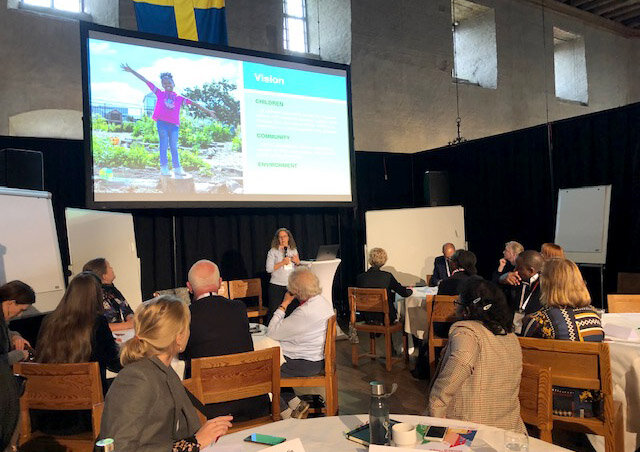
Green Schoolyards America’s CEO, Sharon Danks, traveled to Uppsala, Sweden in early October to participate in an international event called the Uppsala Health Summit. This year, the Summit focused on developing global best practices for improving children's health and well-being in cities. It was hosted by a group of collaborating local universities and city agencies and took an interdisciplinary approach to the topic. Our colleague, Dr. Petter Åkerblom (Thinktank Movium, SLU) was the Program Committee Chair for the 2019 Summit.

Sharon Danks participated in a workshop at the Summit focused on City Gardening and Farms for Learning and Wellbeing. She gave a presentation about Green Schoolyards America’s work in California to help frame the workshop’s discussion over the course of the day. Two other speakers added different perspectives on children’s urban gardening and farms in the same session. Kemo Kinteh (Future in our Hands) spoke about his organization’s work creating school gardens across The Gambia, in West Africa. Dr. Henrik Lerner (Ersta Sköndal Bräcke University College) shared his research about animal husbandry and children’s interactions with animals, in Sweden. The session was organized by Karin Artursson and Bodil Dahlman, professors at the Swedish University of Agricultural Sciences (SLU) in Uppsala.

Sharon Danks spoke at the Uppsala Health Summit’s workshop on City gardening and farms, on October 8, 2019.

Sharon Danks spoke at the Uppsala Health Summit’s workshop on City gardening and farms, on October 8, 2019.

Sharon Danks (left) and Bodil Dahlman (workshop leader), after Ms. Dahlman offered all workshop participants a “carrot” to inspire them to take action to improve children’s access to City gardening and farms.

Sharon Danks (left) and Bodil Dahlman (workshop leader), after Ms. Dahlman offered all workshop participants a “carrot” to inspire them to take action to improve children’s access to City gardening and farms.

The Uppsala Health Summit’s plenary sessions were fantastic, with presenters sharing their work and perspectives on the importance of healthy urban childhoods. These speakers from Canada, England, India, Scotland, and Sweden spoke of the cities and situations in their own countries—but it was clear that children all over the world face similar problems in achieving healthy urban childhoods. All countries, it seems, need to work on reducing dangerous traffic situations, improving children’s independent mobility, providing increased access to nature and greenery, and allowing children’s voices and concerns to carry more weight in public discourse.

The Uppsala Health Summit also provided an opportunity for Danks to connect with close colleagues from the International School Grounds Alliance, which is one of Green Schoolyards America’s closest partners.

A wonderful group of colleagues who are Leadership Council members of the International School Grounds Alliance. From left: Sharon danks (USA), Anna Ekblad (Sweden), Kemo Kinteh (The Gambia), Katrin Herrmann (Germany), Lais Fleury (Brazil), Anders K…

A wonderful group of colleagues who are Leadership Council members of the International School Grounds Alliance. From left: Sharon danks (USA), Anna Ekblad (Sweden), Kemo Kinteh (The Gambia), Katrin Herrmann (Germany), Lais Fleury (Brazil), Anders Kjellsson (Sweden), Susan Humphries (UK), Petter Åkerblom (Sweden), and Matluba Kahn (UK and Bangladesh).

After the Summit, Sharon Danks and many of her colleagues also spoke at a related one-day conference held at the Swedish University of Agricultural Science’s Landscape Architecture and Urban and Rural Development Department. Dr. Petter Åkerblom led this event, as well.

Sharon Danks spoke about green schoolyards America’s work at the Swedish University of Agricultural Science, on October 10, 2019. Photo by Bodil Dahlman.

Sharon Danks spoke about green schoolyards America’s work at the Swedish University of Agricultural Science, on October 10, 2019. Photo by Bodil Dahlman.

It was a wonderful trip filled with collaboration, new ideas, meaningful conversations, friends, colleagues, and inspiration.

Announcing a Hands-on Conference with Inspiring School Ground Innovator, Susan Humphries: Sept. 27-28, 2019

An outdoor lesson in progress at The Coombes School, within a child-planted forest.  Photo: © Sharon Danks

An outdoor lesson in progress at The Coombes School, within a child-planted forest.
Photo: © Sharon Danks

Green Schoolyards America is honored to announce that we will have a very special visitor this fall, in town from England! Our colleague, Susan Humphries, MBE, MA, will join us in the San Francisco Bay Area at the end of September to share her expertise and deep understanding of how to use school grounds to foster children’s learning, play, and happiness.

Ms. Humphries will collaborate with Green Schoolyards America to lead a two-day, professional development conference that shares what she has learned over her 40+ year career as one of the green schoolyard field’s international founders. She brings a wealth of knowledge and expertise in teaching methods that are based on outdoor experiences and an understanding of the natural world.

SharonDanks_Coombes-Eng_06-2010_296-w.jpg

Save the dates!

September 27 28, 2019

DAY 1: Hands-on Teaching and
Learning in a Green Schoolyard

DAY 2: Making the Most of
Asphalt-Covered School Grounds

Timing: 9:00 am - 3:30 pm, both days
Location:
Hosted by Golestan School, El Cerrito, CA

Click for more information and to enroll

Our conference program is designed for preschool and elementary school teachers, and will also be well suited to after school and childcare staff, educators in non-formal settings, garden teachers, designers of children’s environments, and members of the public interested in children’s wellbeing, learning, and play.

The program will include a keynote presentation each day with vibrant examples drawn from Ms. Humphries’s inspiring work at The Coombes School in Berkshire, England, where she was the Founding Headteacher (principal) and led the school for almost four decades. The program will also include hands-on workshops designed to bring her teaching philosophy and methodology to life, and provide resources and ideas that participants will be able to use at their own schools after the conference.

A music lesson in progress on the asphalt playground at The Coombes School.  Photo: © Sharon Danks

A music lesson in progress on the asphalt playground at The Coombes School.
Photo: © Sharon Danks

More information about the speaker:

Susan Humphries, MBE, MA, is the Founding Headteacher of The Coombes School in Berkshire, England. She led the school from 1971 to 2002, and remained involved with their program and landscape development for an additional decade after her retirement. In 2011, she was awarded an Honorary Doctorate by the Faculty of Natural Resources and Agricultural Sciences at the Swedish University of Agricultural Sciences in Uppsala, Sweden to acknowledge the foundations she has laid in building individual and group responsibility for healthy ecosystems and use of natural resources. In 2012, Humphries collaborated with her colleague Susan Rowe to write a book called The Coombes Approach: Learning through an Experimental and Outdoor Curriculum, to share teaching methods used at the school. In 2018, she received a Lifetime Achievement Award from the International School Grounds Alliance to recognize the formative impact her ideas have had on the green schoolyard movement across the globe.

Enrollment:

This conference is open to the public. Click here for more detailed information about the event and how to enroll. We hope you will join us for this special event!

Conference organizers:

This conference is a project of Green Schoolyards America, in collaboration with Susan Humphries. It will be hosted by our partners at Golestan Education, on their beautiful school grounds in El Cerrito, CA.