

Engaging Students in Design
Introduction

© SHaron Danks
Engaging students in the schoolyard forest design process from the very start will give them an incredible sense of investment and empowerment and will enable them to develop life-long skills. At a time of high climate anxiety, such engagement also offers young people a sense of hope as they take action on a scale where they can see and experience the results of their efforts.
Community involvement, consensus, and compromise are all parts of a schoolyard forest project and are life-long skills to model for students. Presenting ideas to decision-makers is also a critical step in making sure that students’ ideas and research efforts are heard, appreciated, and, most importantly, taken into account! Teachers may need to pave the way to ensure that the administration incorporates student voices and supports them in successfully being agents of change and generators of solutions at their school.
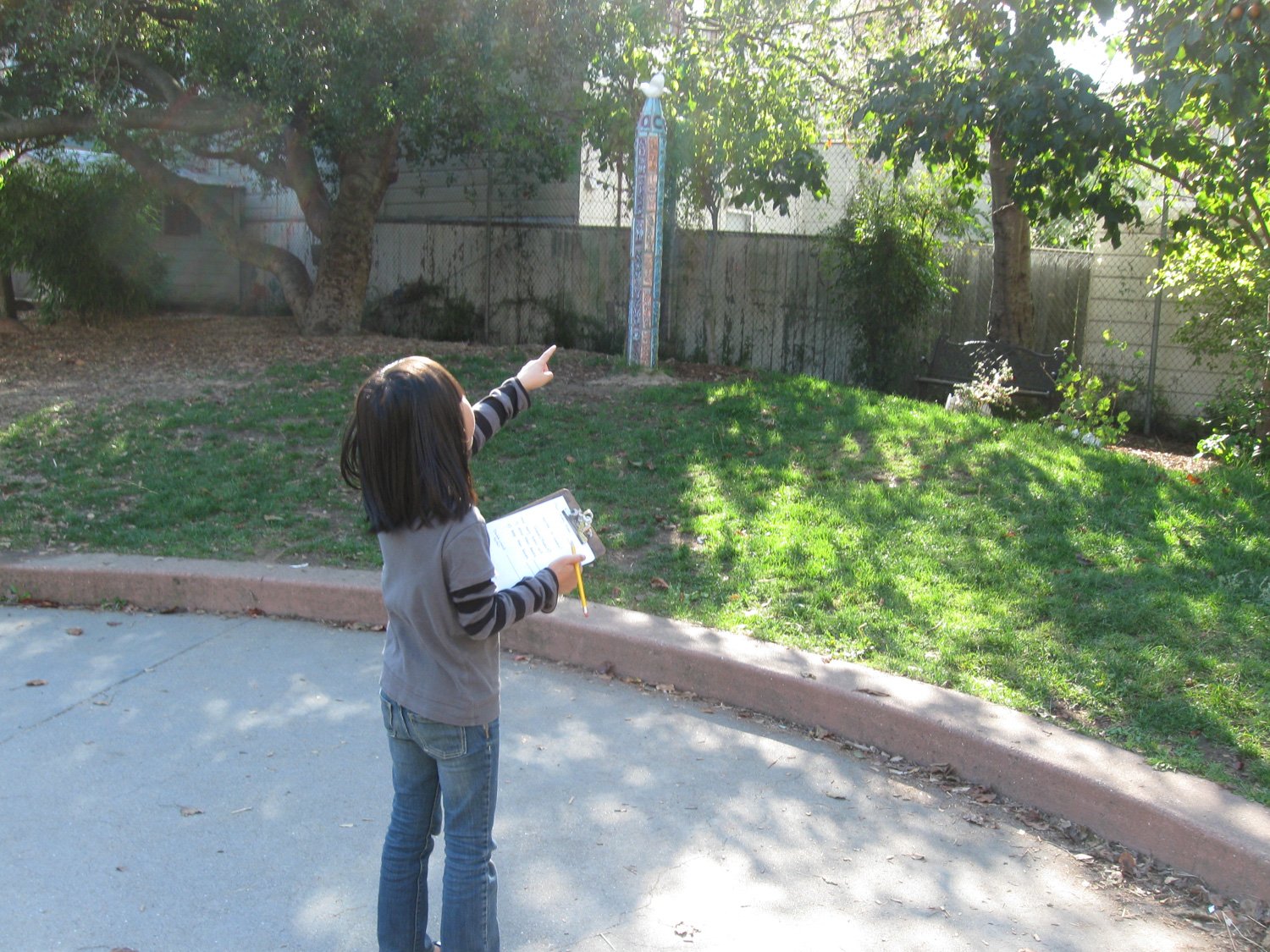
Students of all ages can be involved to different degrees in the design process—from simple to complex. The actual process of design can also vary by age. The youngest voices can be included by inviting them to create simple drawings and models of their ideas and by interviewing them. Youth can participate at much deeper and complex levels. Students can engage in design in a variety of ways, all while applying academic skills. For example, students can map and analyze the school grounds before proposing tree locations, conduct community interviews, research tree species for selection, calculate quantities and costs of the materials needed, propose other elements they wish to see in their schoolyard forest, and develop persuasive presentations.
Below are some ways students can be involved in the design process. These are adaptable for a range of grade levels. Different classrooms may choose different entry points in the design process. Involving students in the design process can support a variety of academic standards. Engineering standards, for example, are addressed as students analyze and define the problem, design solutions, and evaluate and refine their designs.
Lessons and Activities

© SHaron Danks
Build Enthusiasm
Get students excited and invested in growing a forest at their school through an initial brainstorming session on the many values of trees.
- Appreciating Trees
Analyze the Schoolyard
Students need to first understand the existing physical conditions of the schoolyard before designing their forest and/or proposing planting locations. Analysis can be done by one class or divided among multiple classes that later share their results.
Analyze and map surface temperatures. To understand temperatures on their school grounds, the heat impact of unshaded asphalt, and where shade is most needed, students can explore surface temperatures on the school grounds using infrared thermometers.
- How Cool Is Your Schoolyard?™ (Green Schoolyards America)Understand shade cast by trees. To understand where shade from a tree will fall during the peak heat of the day, students can chart out future shadows from trees. Future tree canopy size is another criteria to research. They can also assess shade patterns more broadly on their school grounds, predicting, checking, and recording shade at different times of the day and year.
- Choosing Effective Locations for Your Shade Trees (Evergreen).
- Shadow Stick, PDF page 140 (Learnscapes AustralAsia)
- SelecTree (Cal Poly)Habitat mapping. What habitat is already present (or not) on the school grounds? Can the school neighborhood become part of a broader wildlife corridor? These and other questions can be investigated as students map the school grounds, using activities such as these:
- Animal Perspectives, PDF page 67 (Evergreen)
- Soundscape Map (Laws and Lygren)Analyze stormwater flow. Planting trees where their roots will have adequate access to groundwater can help them survive. Planted areas also become zones that absorb and filter stormwater runoff; stormwater infrastructure can become part of a school forest. To help students better understand how stormwater moves throughout their campus, see these activities:
- Follow the Drop (Earth Partnership)
- Water on Various Surfaces (Boston Schoolyard Initiative)Analyze soil, topography, wind, and other site characteristics. Sun exposure, wind conditions, soil conditions, topography, and accessibility are all important considerations in the design process. Students can collect and record information on a visual representation of their grounds. Students can work off existing base maps of the school (from facilities departments or Google Maps), create their own map from scratch, and/or build models. Some activity suggestions are below:
- Right Tree, Right Place (Common Vision)
- The Science of Soil Testing, PDF page 190 (The Huntington)
- Create a Schoolyard Site Survey Map, PDF page 115 (U.S. Fish and Wildlife Service)
- Mapping your Schoolyard (Earth Partnership)
- Weather Study and Observation Features (Evergreen)
- Windbreaks (Evergreen)

© Green Schoolyards America
Understand Community Needs
Understanding how spaces are used by others in the community—whether during physical education, recess, lunch, after school or on weekends—is an important part of any schoolyard forest design. Students can conduct online or in-person surveys or interviews of their classmates, students in other grades, other teachers, specialists, staff, or people in the neighborhood. They can also interview school administration and maintenance staff to learn about access for emergency vehicles, locations of safety drills, and other legal or logistical requirements for the space.
Research Tree Species for Selection

© City of Vancouver, WA
Students can help select trees for planting by researching attributes of different species from recommended planting lists. Suggested avenues of research are provided in:
- Tree Research with Students (Green Schoolyards America)
Design for Groves of Trees
We recommend that the design aims at planting multiple trees in groves to create a distinct forested space rather than planting individual trees in small boxes or individual pavement cutouts. Students can chalk out areas on the asphalt; create scale maps, models, and 3-D visualizations; and research final tree canopy size to envision the amount of space needed as young trees mature.
- SelecTree (Cal Poly)
- Spacings (Sean Corriel)
- Design Photo Gallery (Green Schoolyards America)
Calculate Materials Needed
Students can participate in measuring surface areas of planting zones and pathways to calculate the volume of mulch or other materials needed. For real-life economics and math lessons, involve students in pricing out materials and interviewing facilities staff or tree planting organizations about costs. Guidance on calculating mulch volume is in:
- How to Get and Apply Mulch (Tree People)
Invite Guest Speakers
Landscape architects, arborists, urban wildlife biologists, irrigation experts, contractors, and school facilities staff can all help students understand how to design a successful schoolyard forest. These interviews are also a great opportunity for high school students to learn about career possibilities.
Design for Seating, Pathways, and Other Elements
Invite students to propose other elements they would like to see in their schoolyard forest, such as benches, pathways, snack and lunch places, play spaces, stages, display spaces, observation stations, and rainwater capture. An augmented reality app, Spacings, can help visualize placement of trees, benches, and tables. Consider field trips to any green schoolyards within the vicinity for students to see the possibilities first-hand. A photo gallery of schoolyard forests is also provided below for inspiration and ideas. Students can also use decision-making methods, such as dot-voting, with the landscape architect or with other students’ proposals.
- Design Photo Gallery (Green Schoolyards America)
Design for Accessibility
Accessibility has its own considerations that apply in this context, such as width and texture of paths, borders, and boundaries and inclusion of interesting bark textures and fragrances, just to name a few. Students can be involved in researching this topic and understanding their whole school community.
- Inclusive Design for Outdoor Spaces (Green Schoolyards America)
Include Student Voices and Present Design Proposals
Students can propose their ideas and/or results of their analysis in a variety of formats—via writing or drawing, model-making, computer presentations, drawing software, chalked-out designs on the yard, role modeling with their bodies, or augmented reality apps such as Spacings. If different classrooms take on different elements of the design, plan on a day when classrooms can also view, support, and respond to each other’s work. Students can also be given the the opportunity to voice their opinion on the landscape architect’s proposed designs through “dot-voting” and other activities.

Students Can use simple materials to build models of their ideas. © Trust for public land

Students use their bodies to model where the storage shed might go. © ayesha Ercelawn
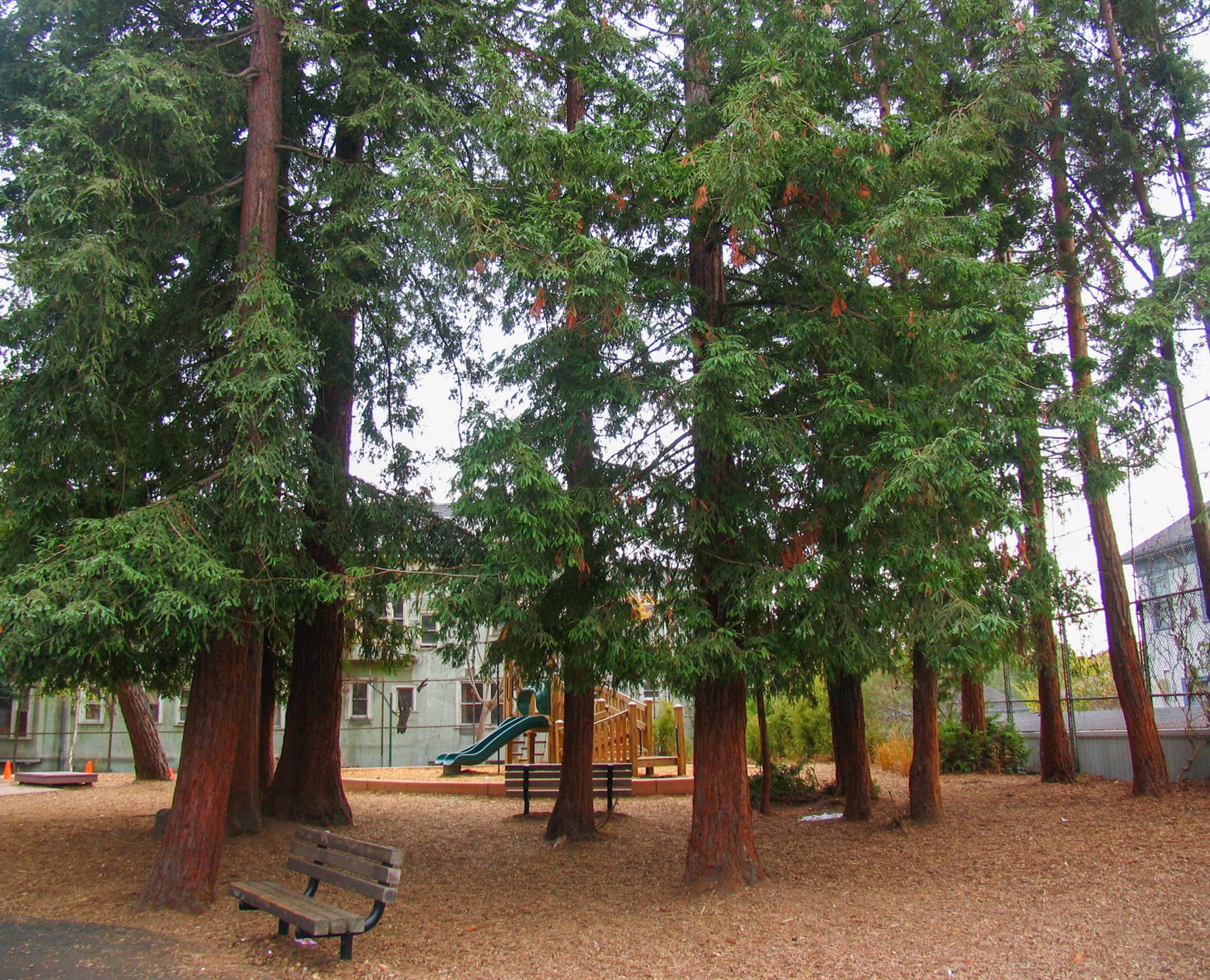
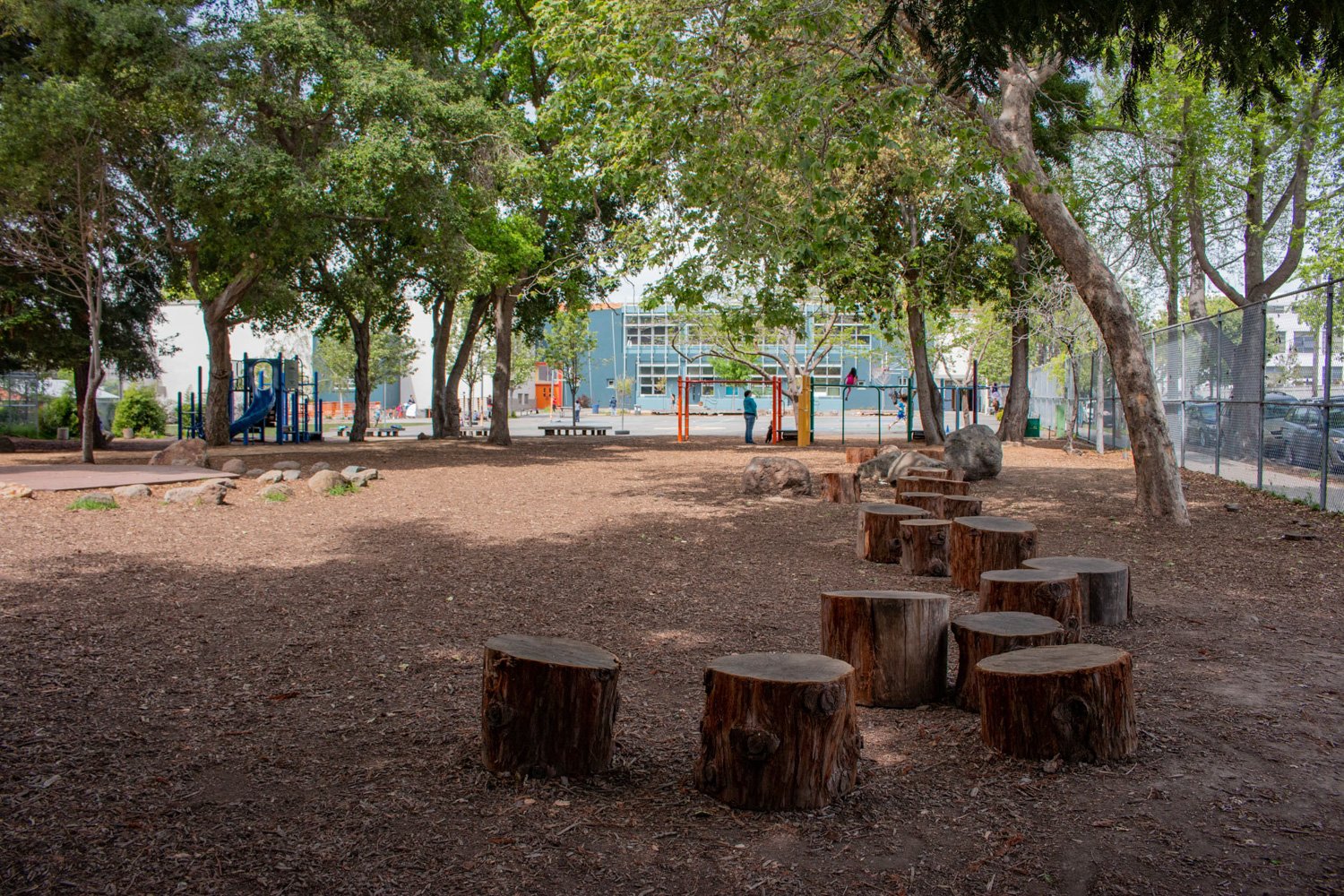
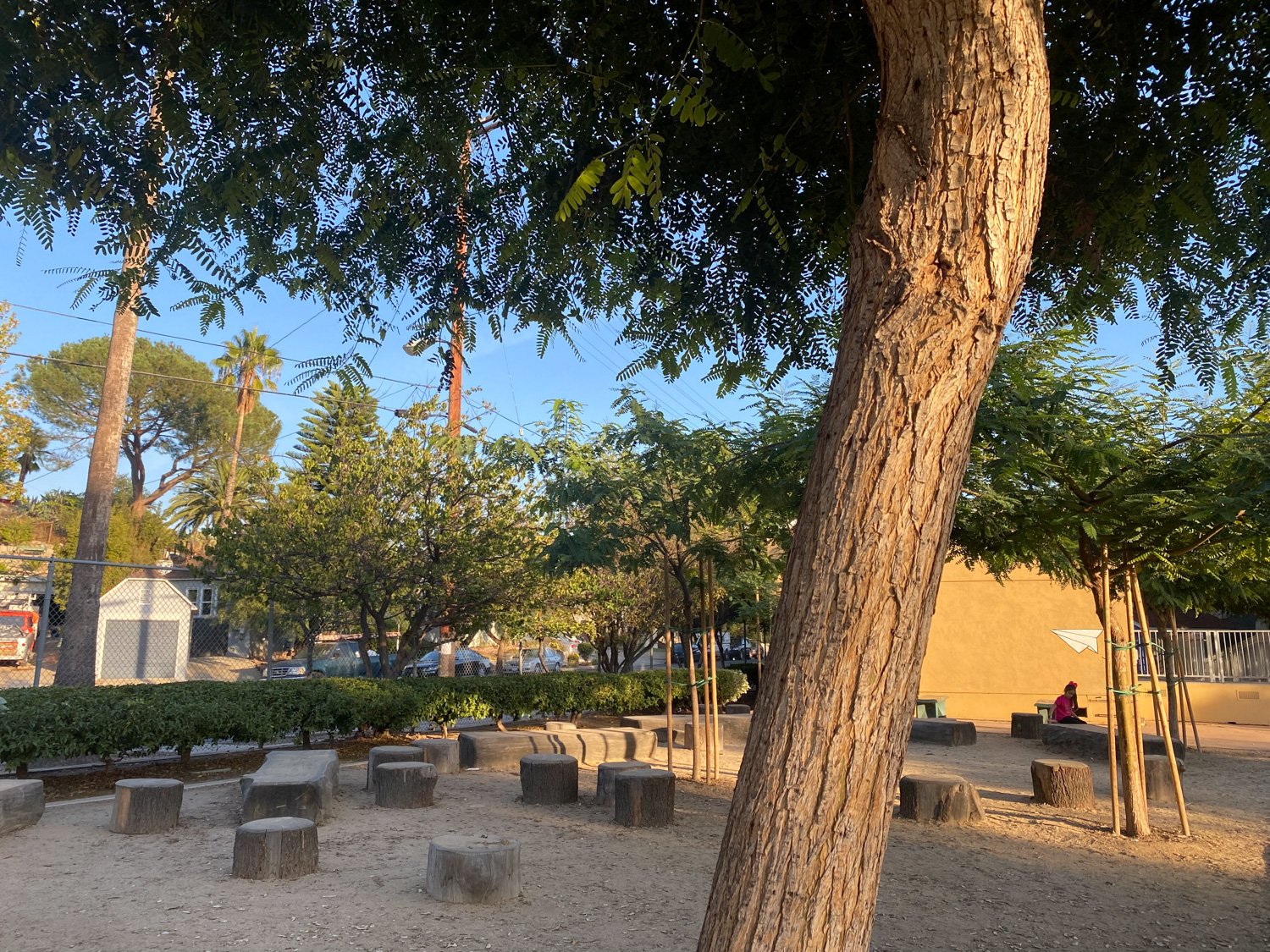
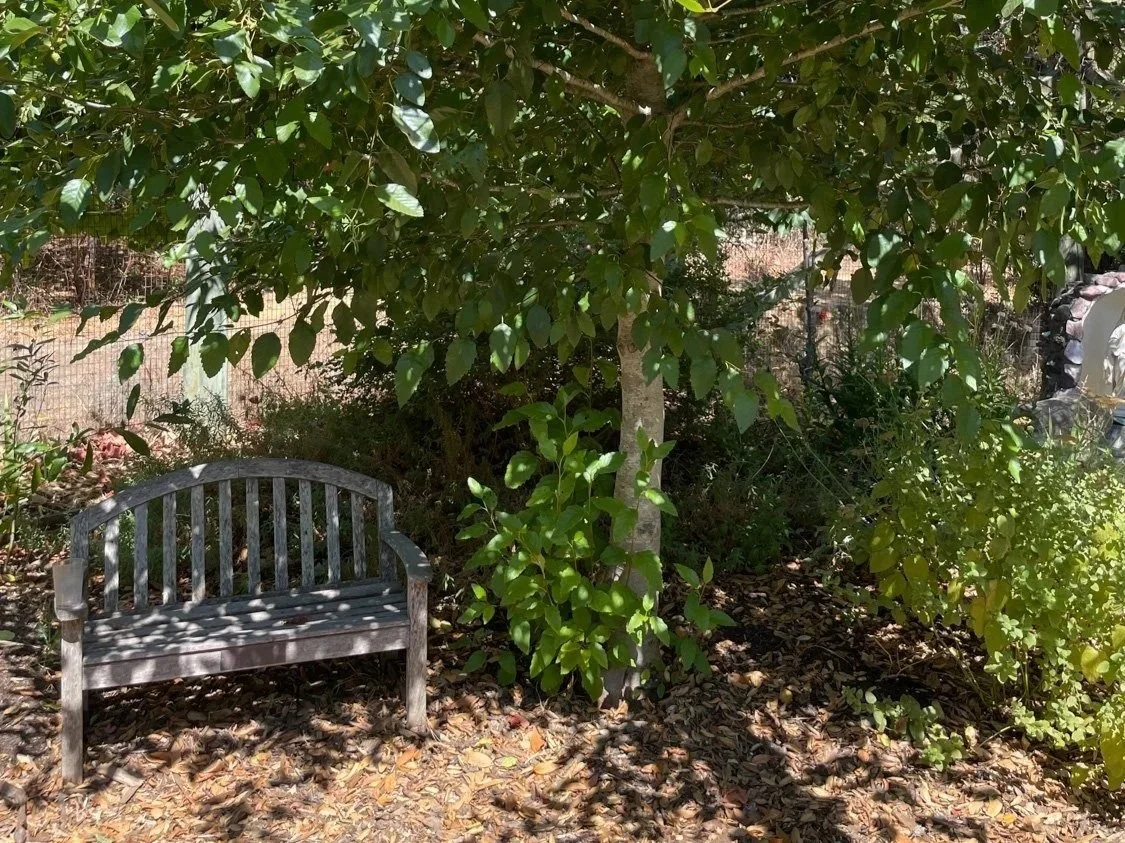
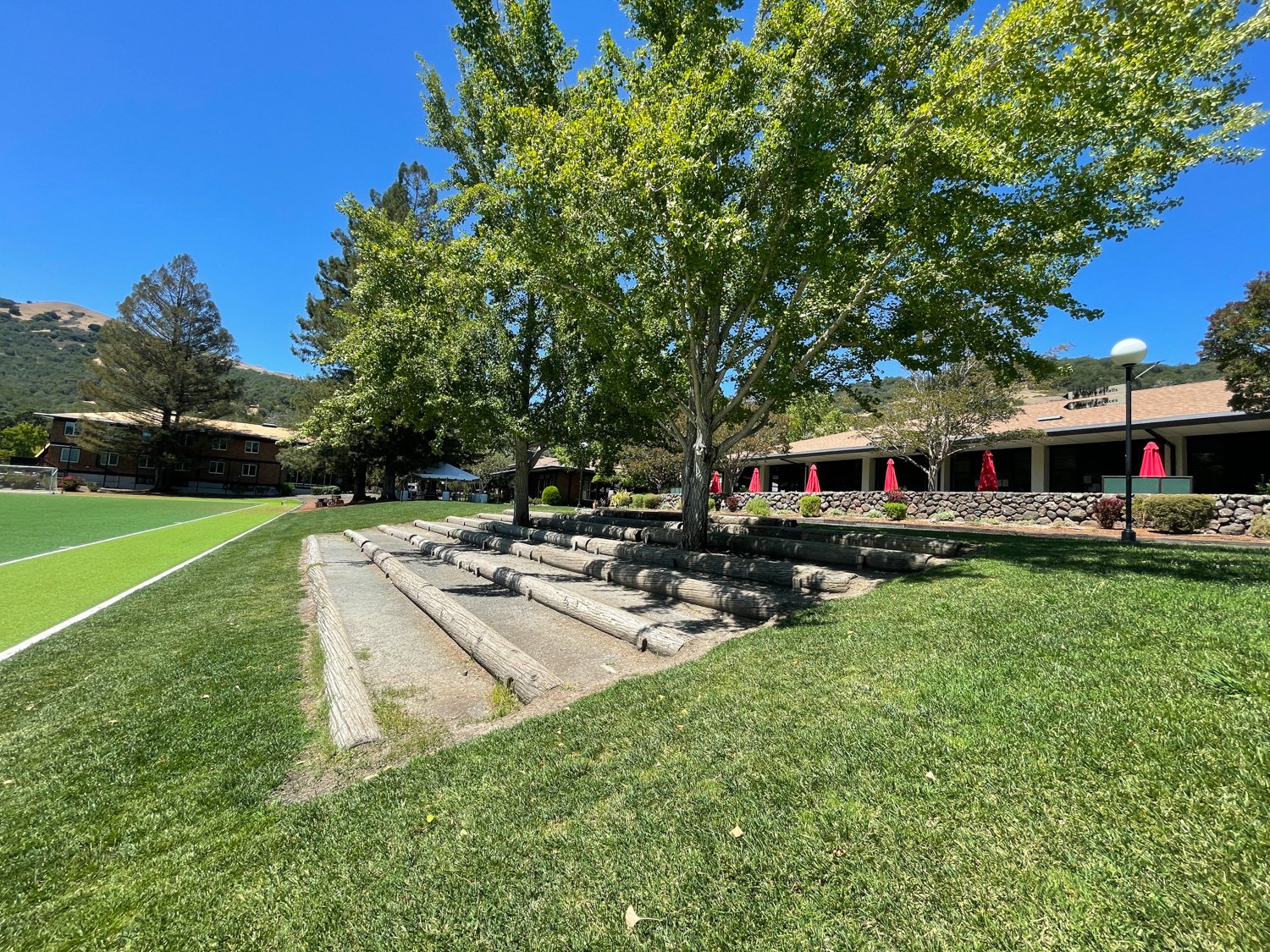
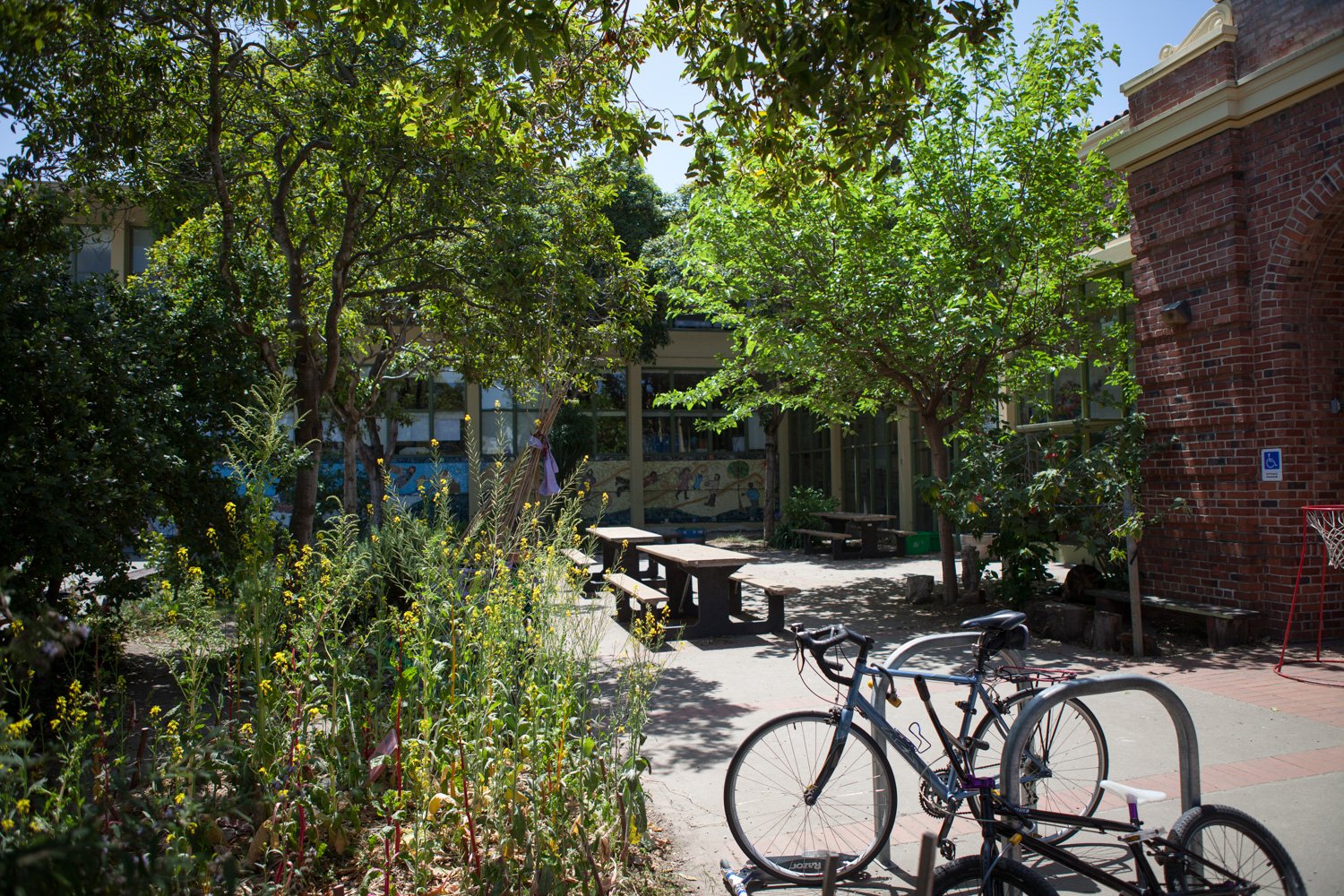
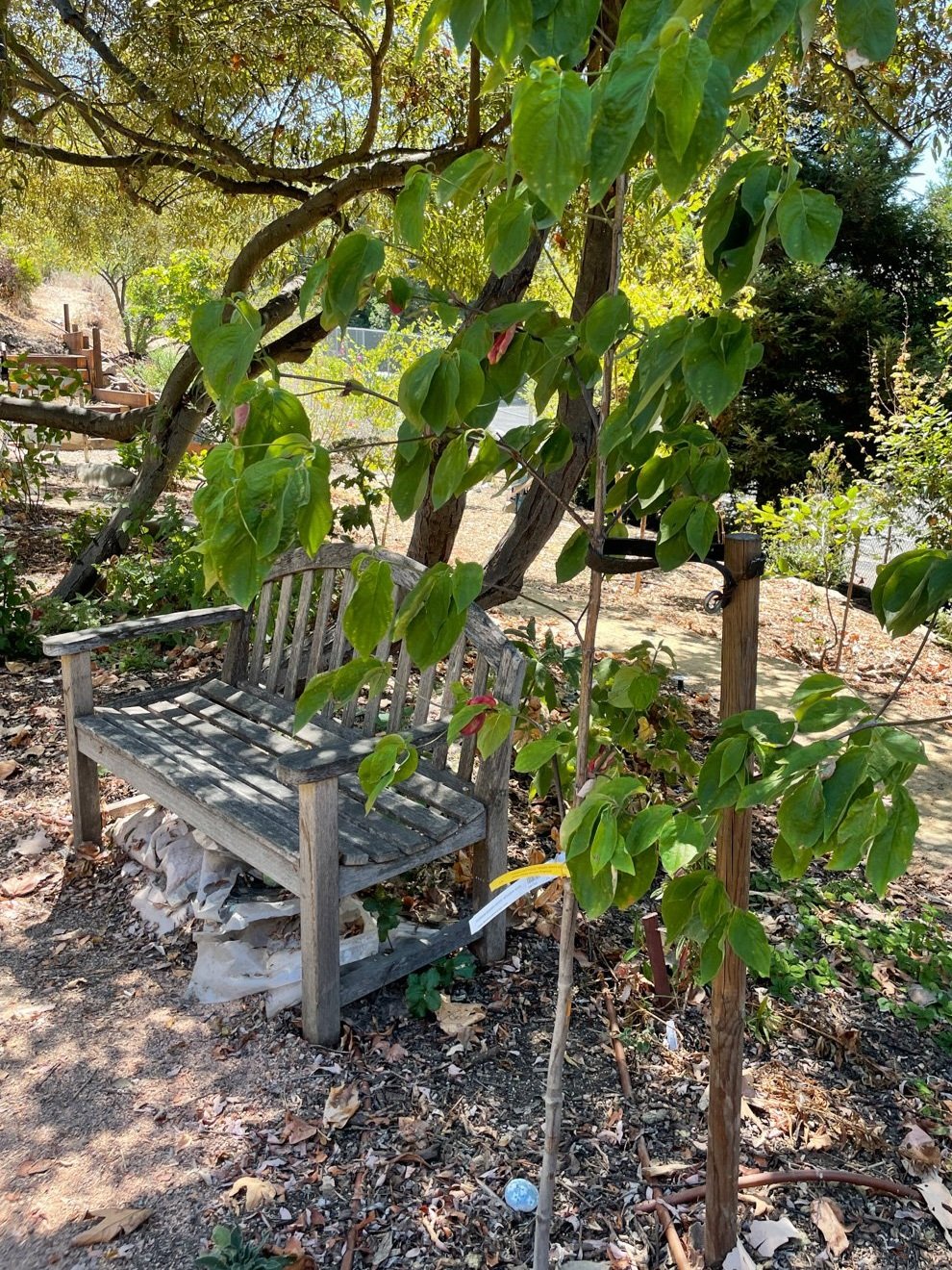
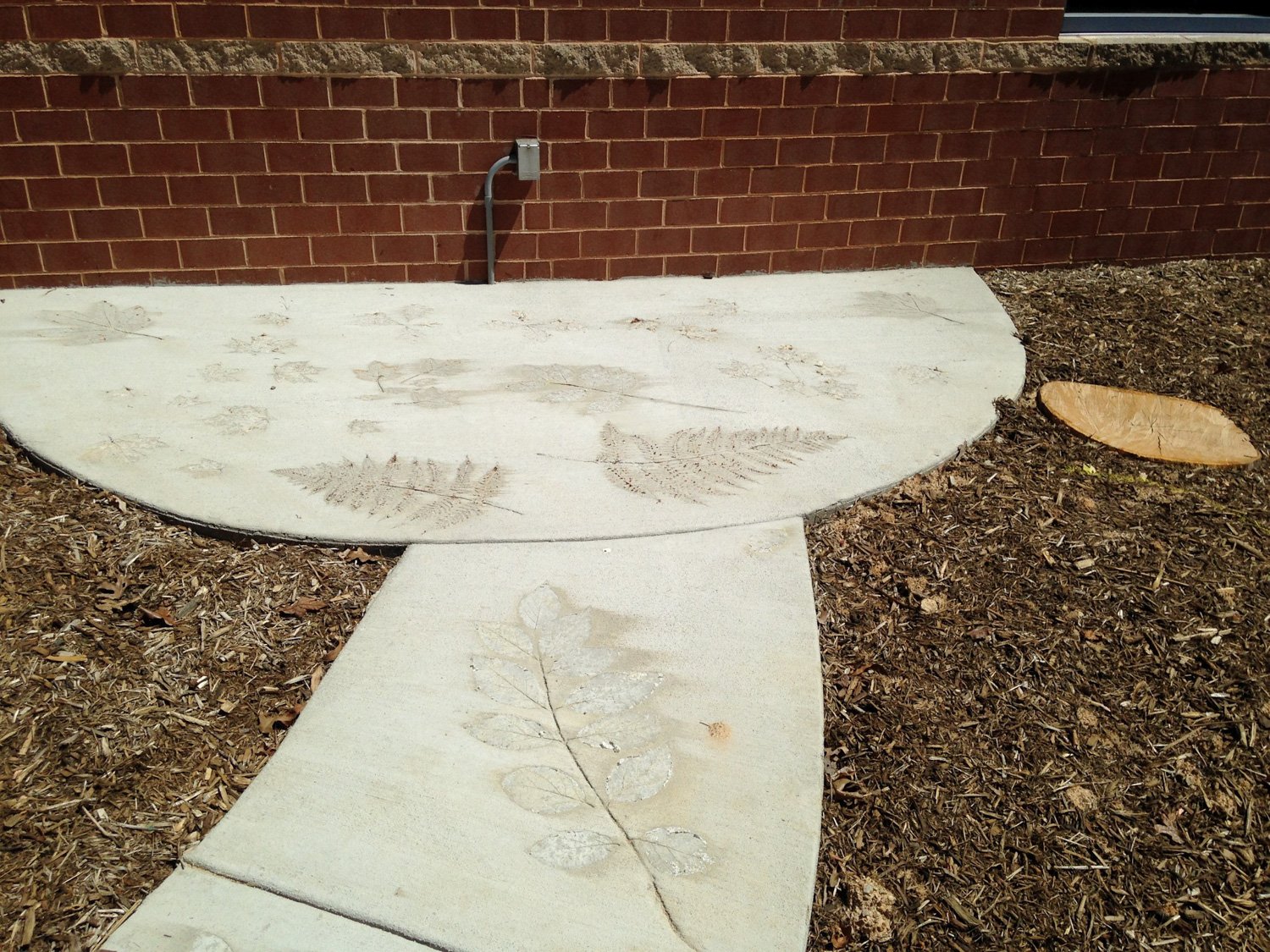
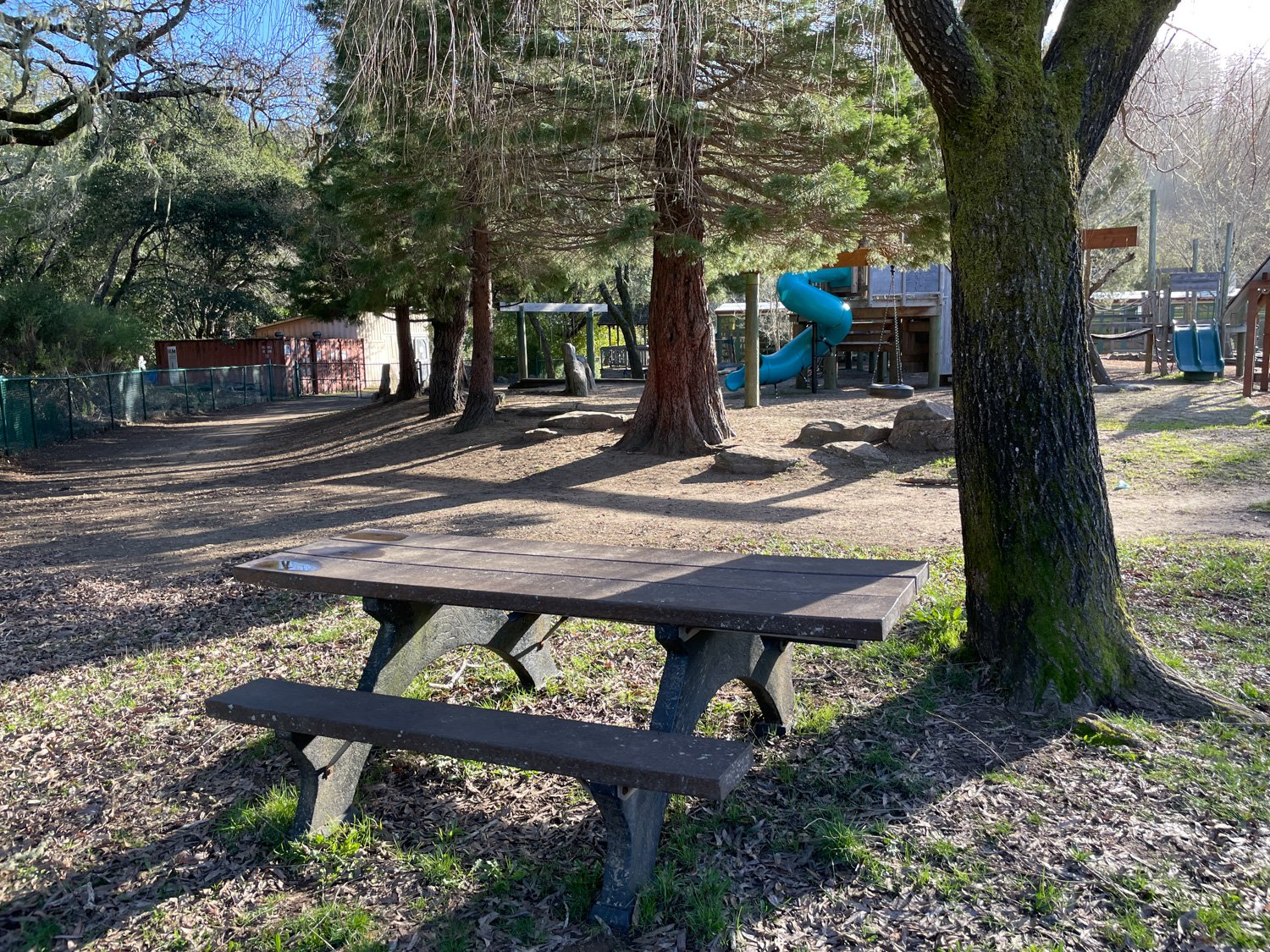
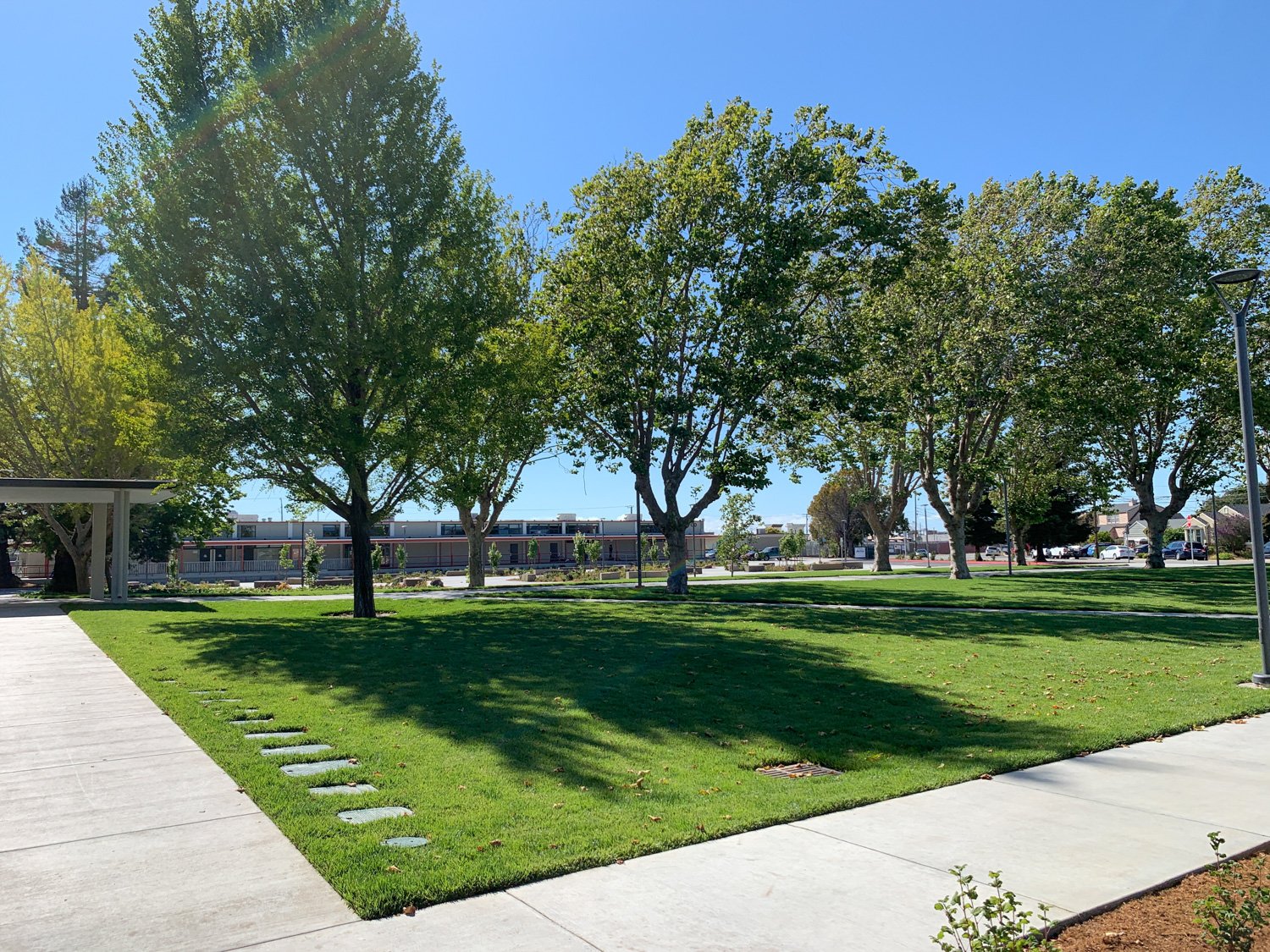
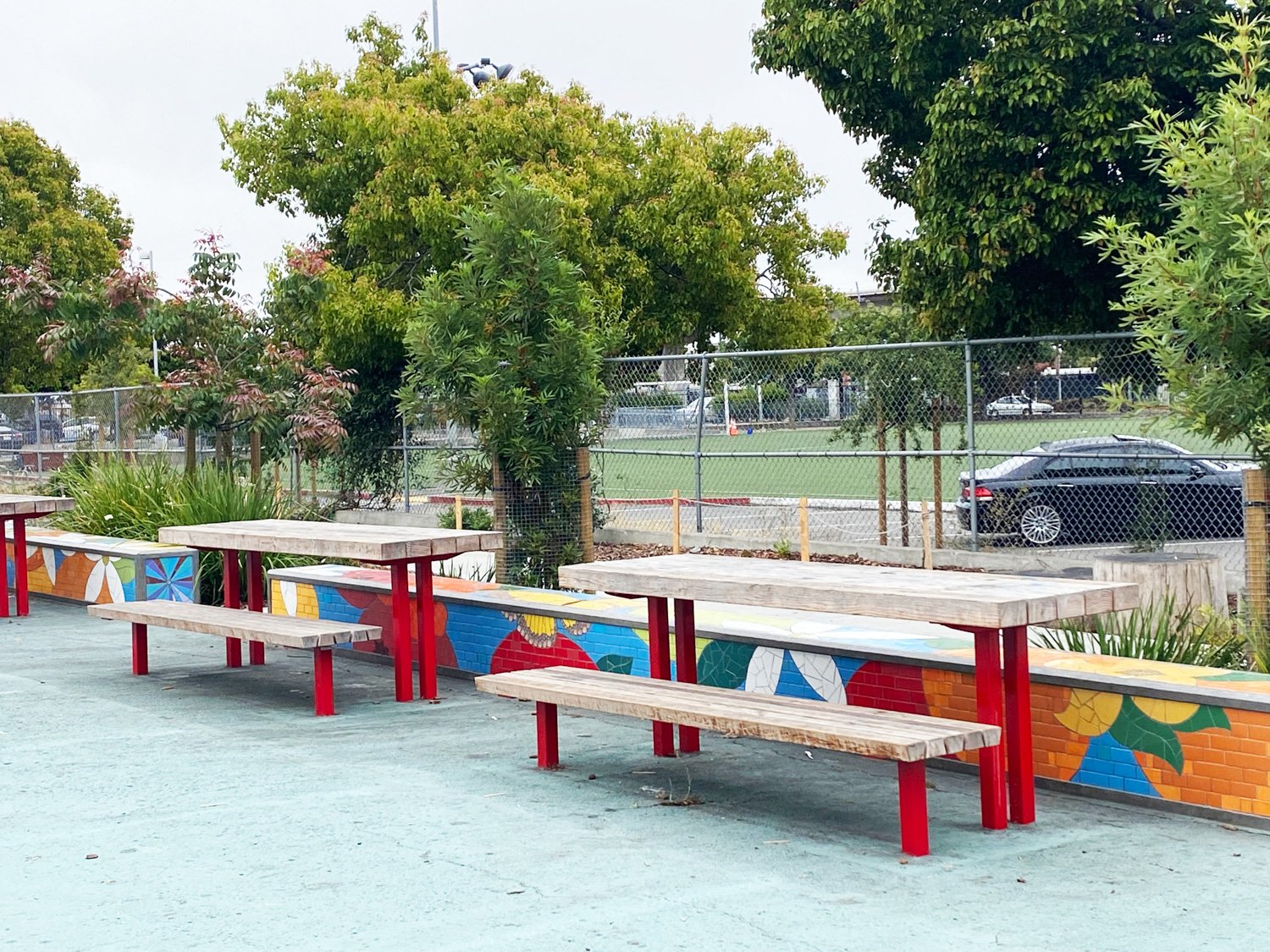
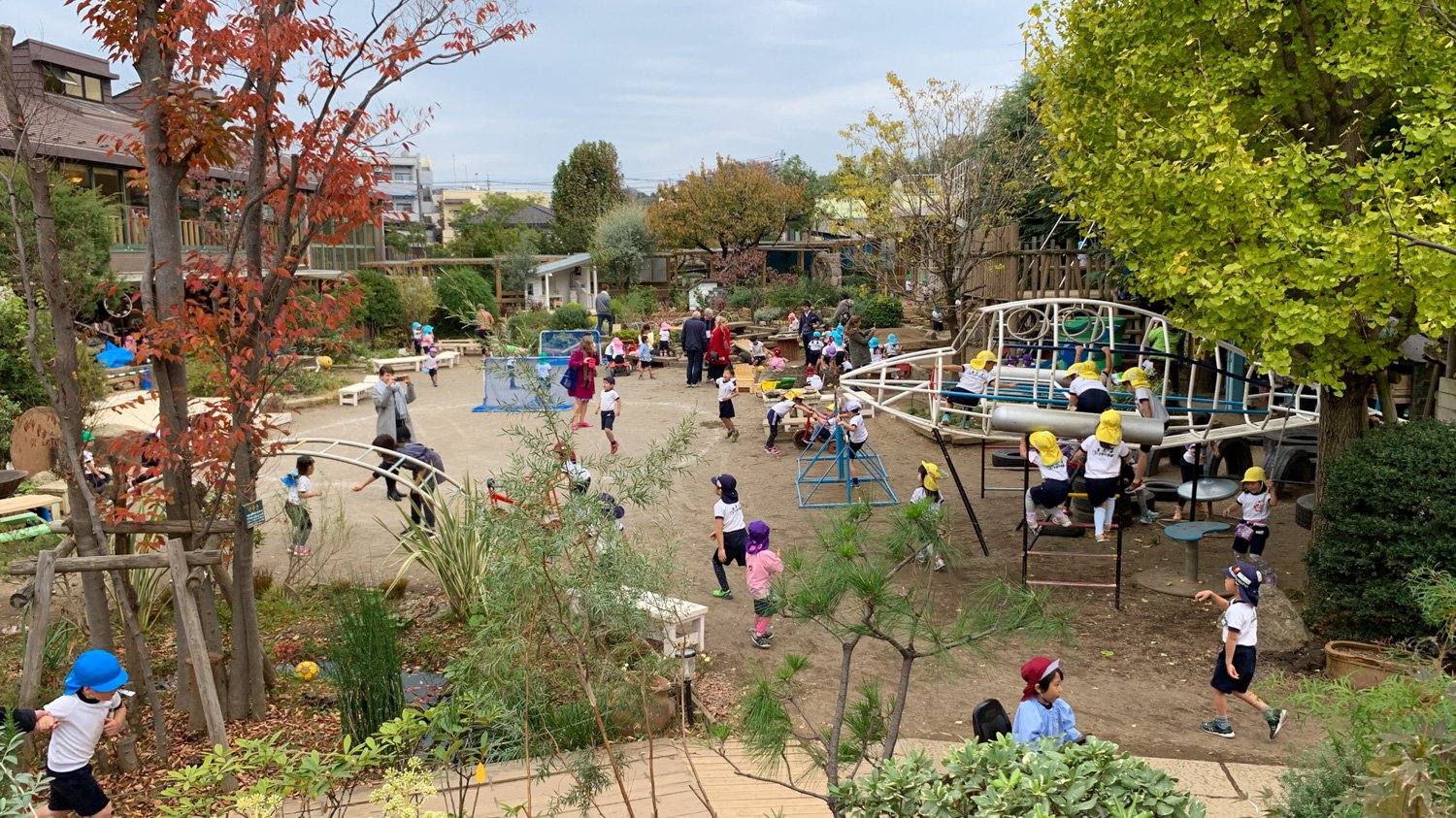
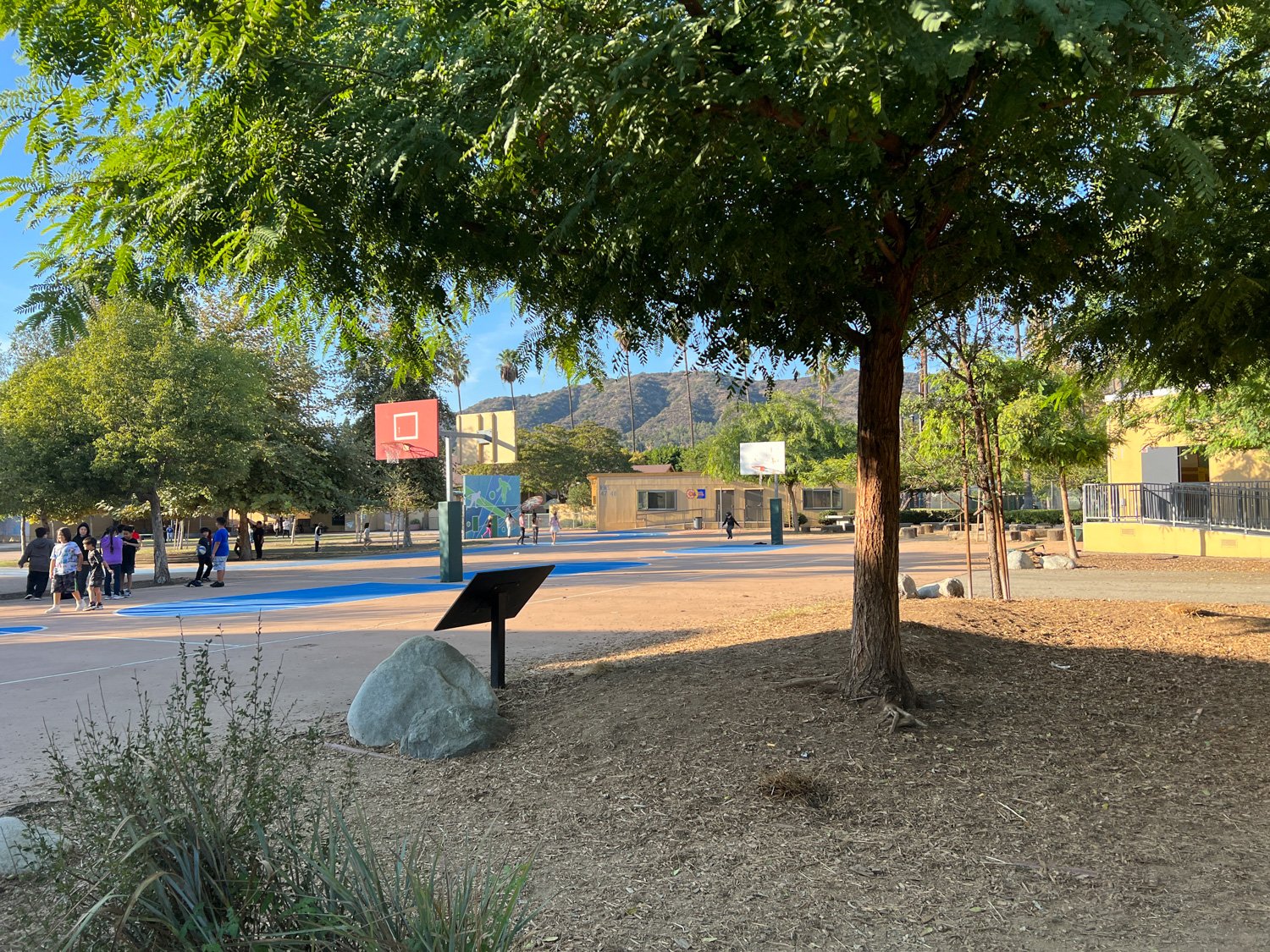
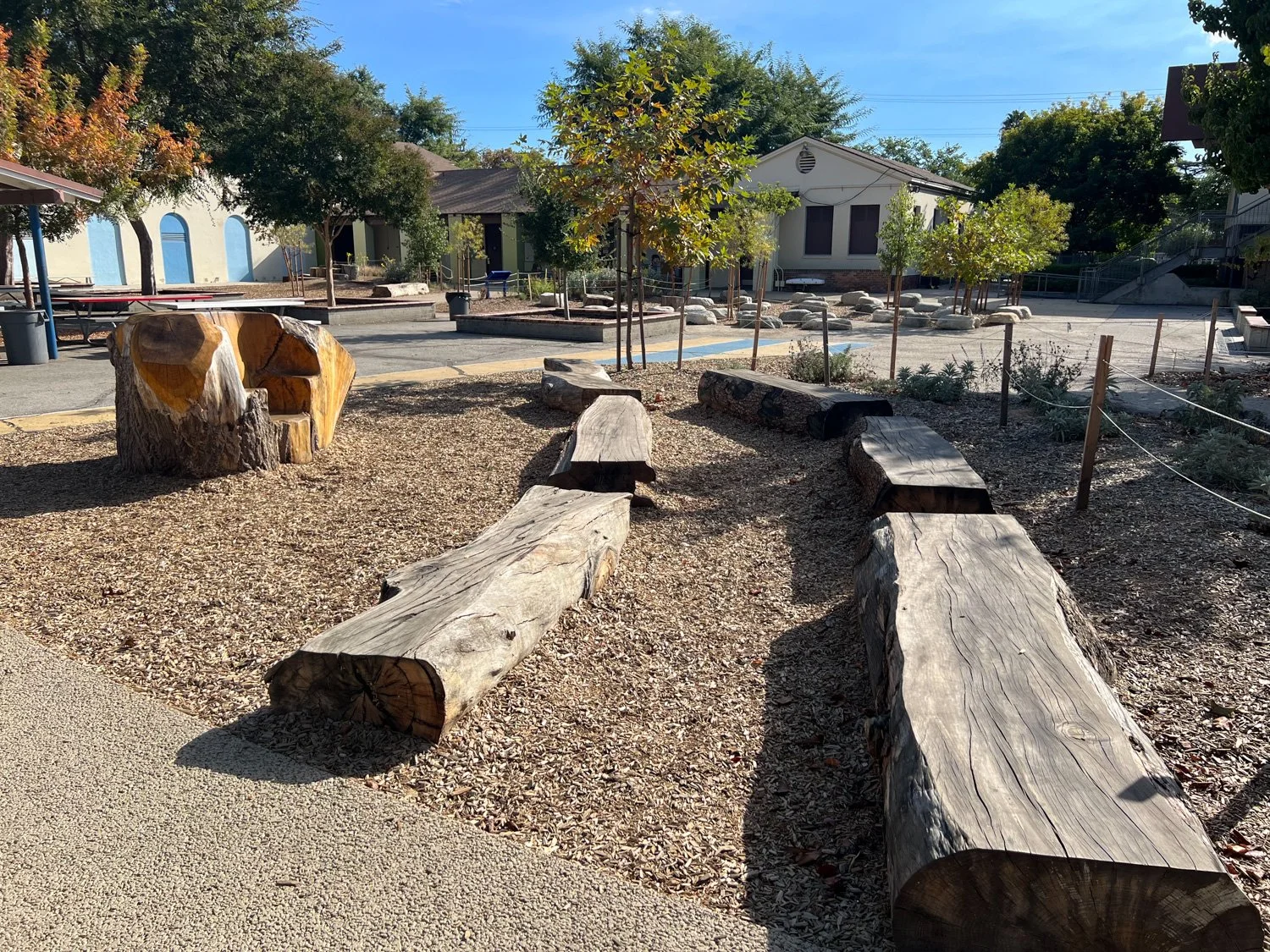
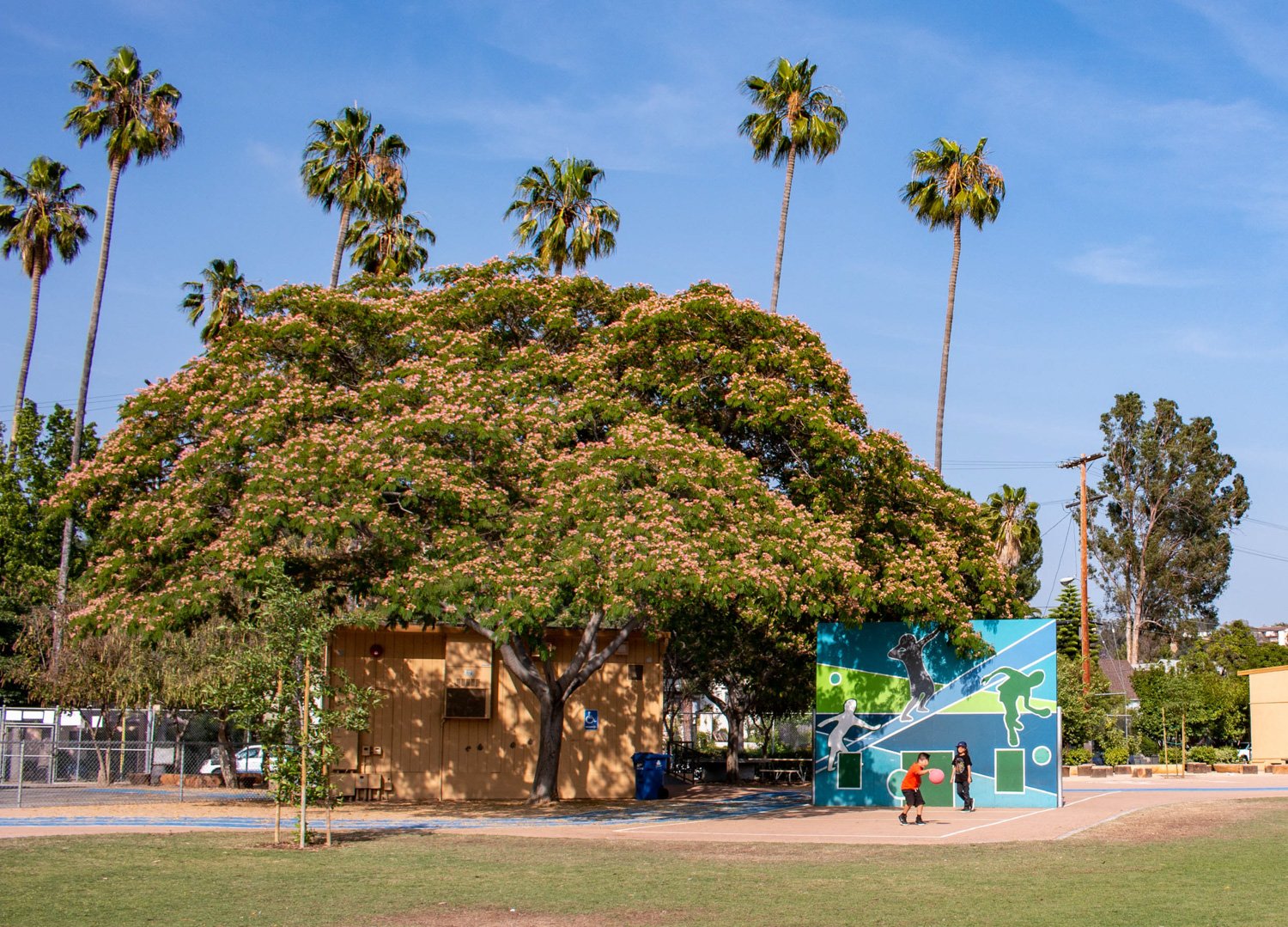
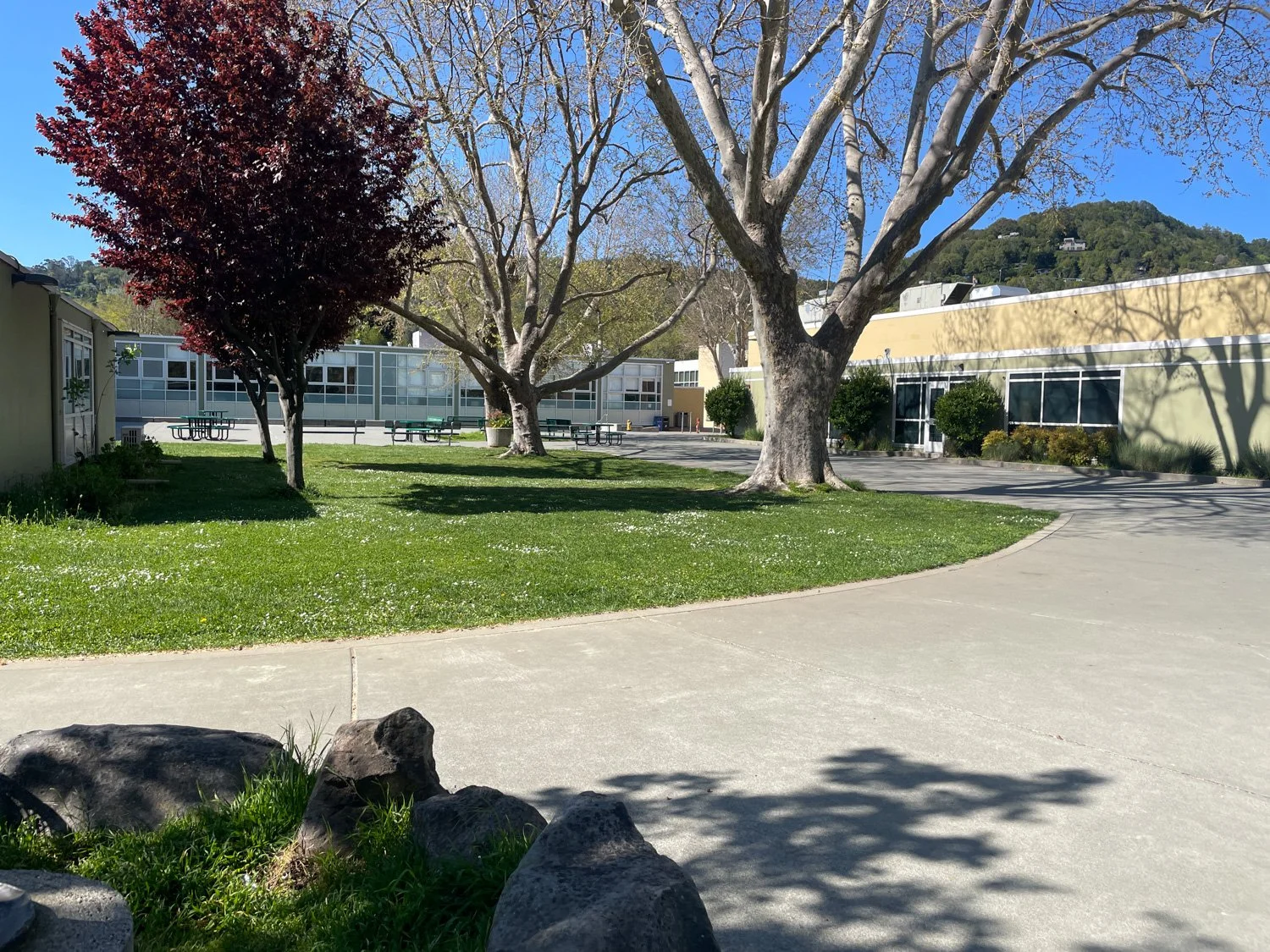
photo Gallery
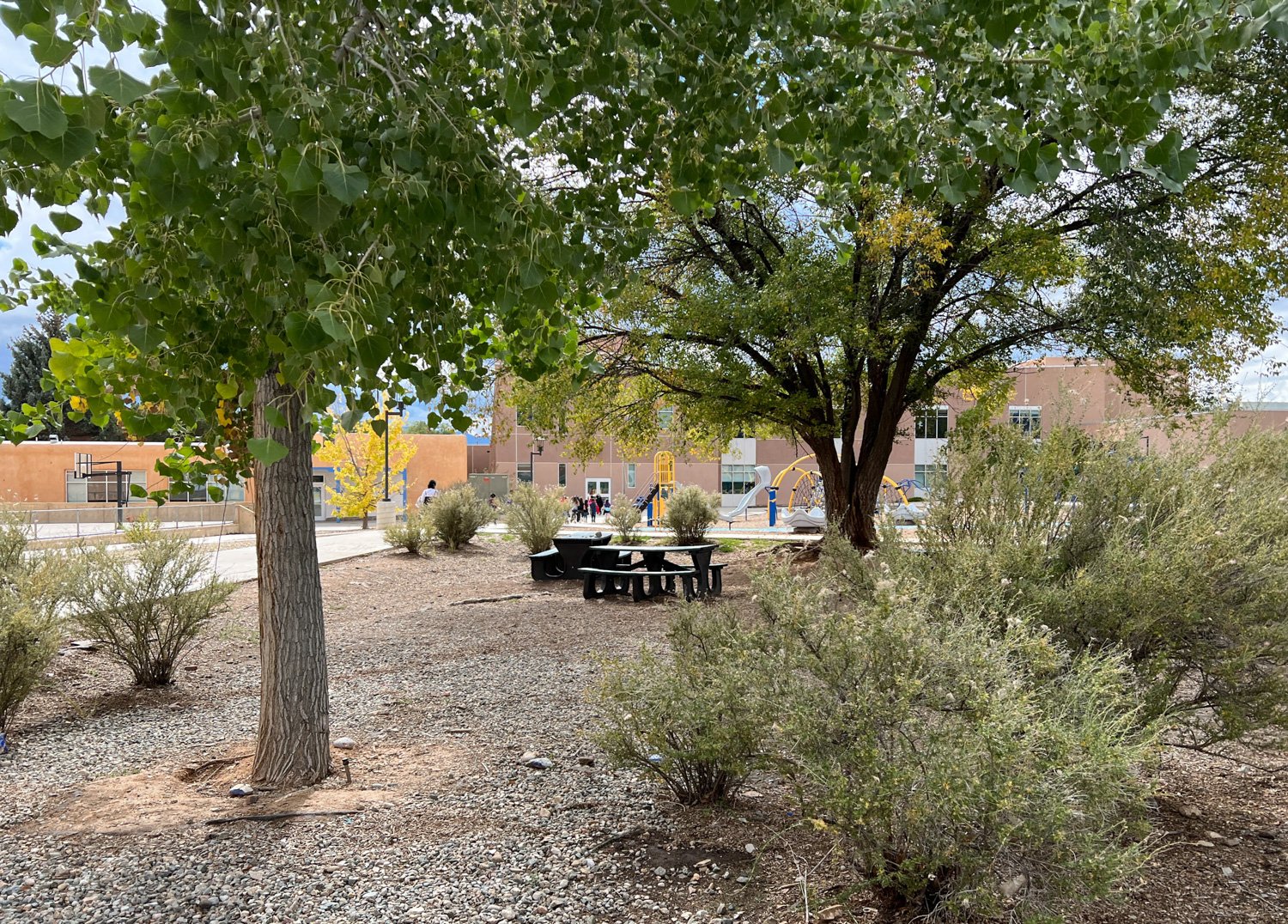
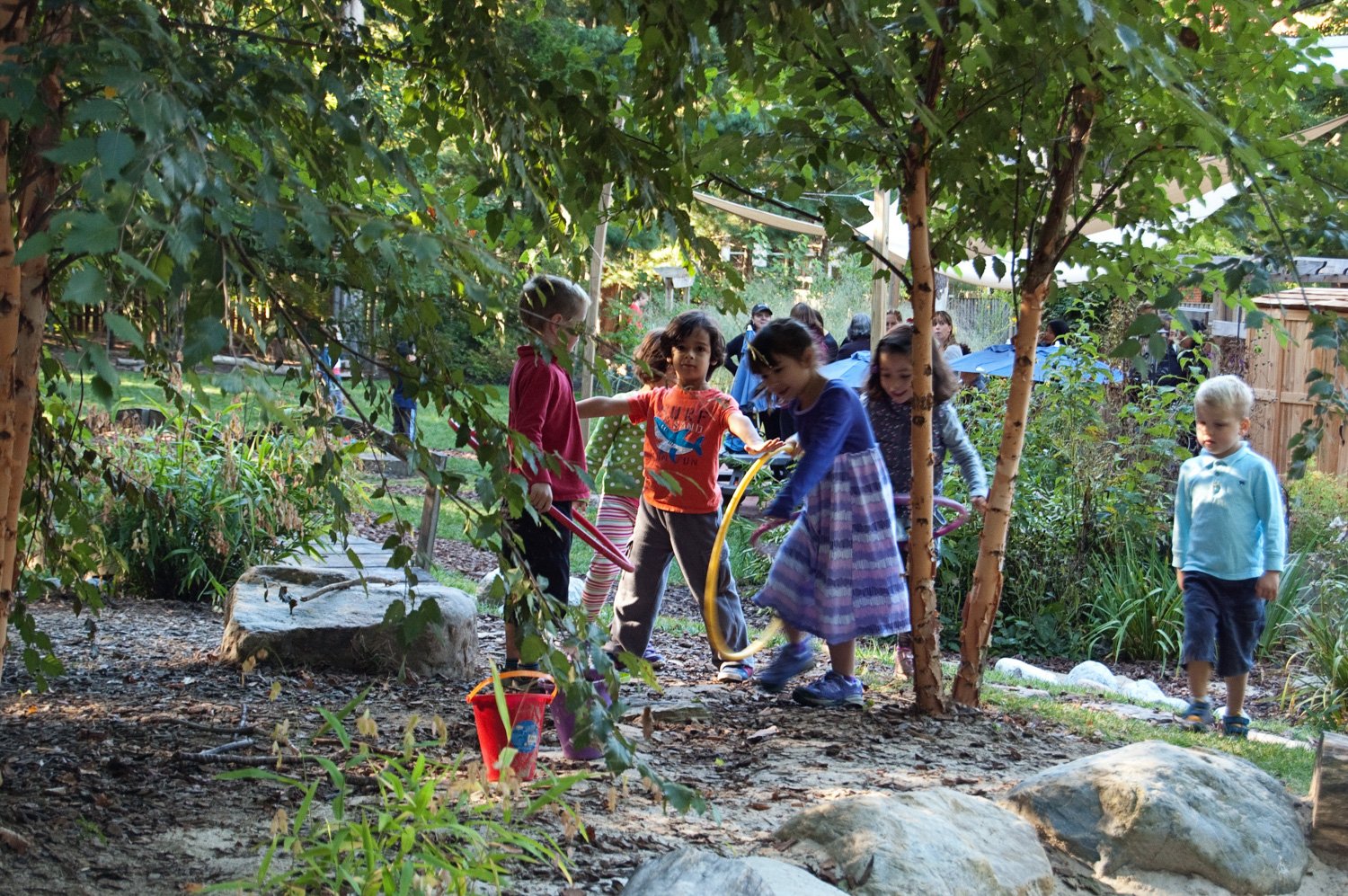
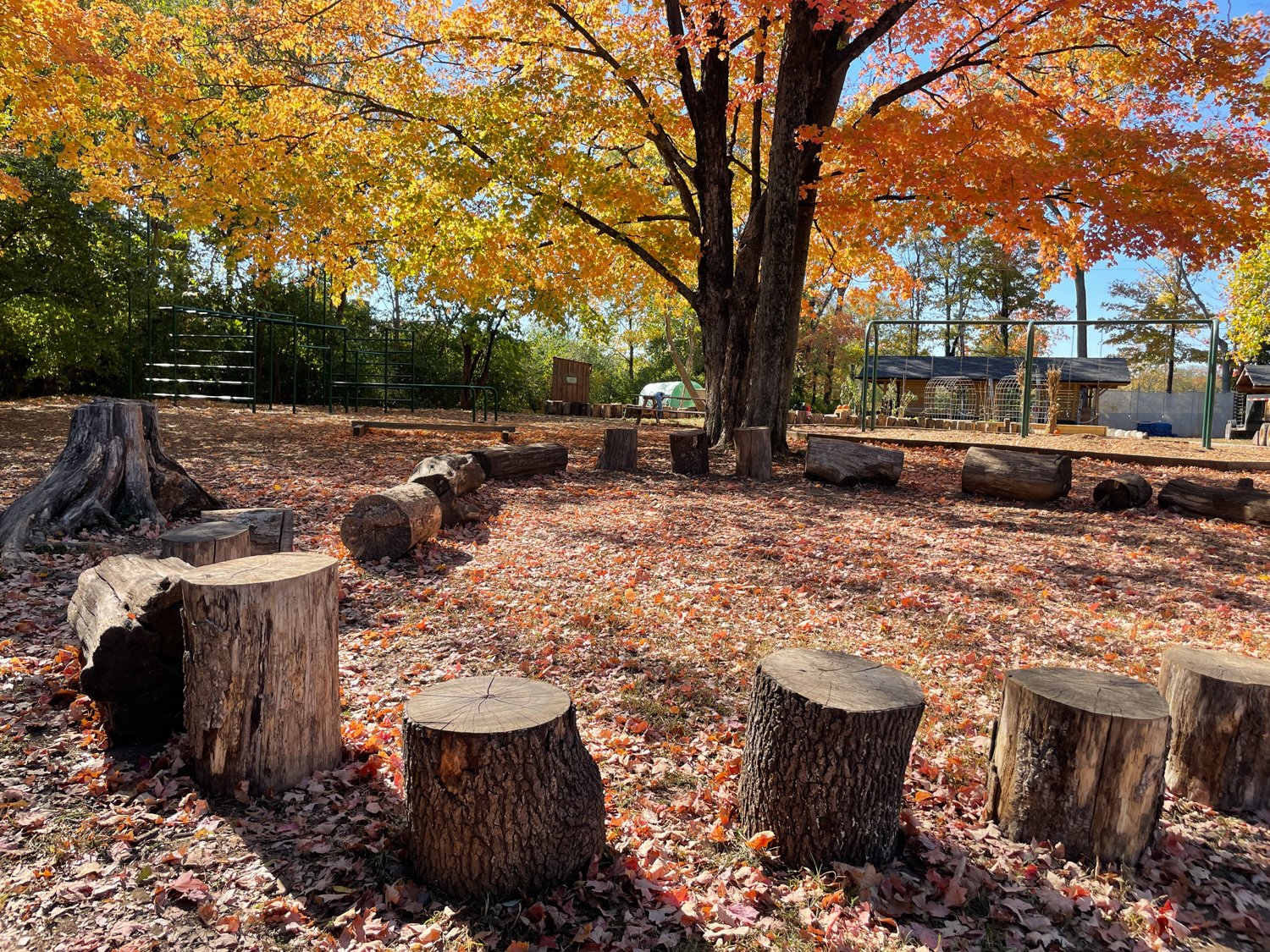
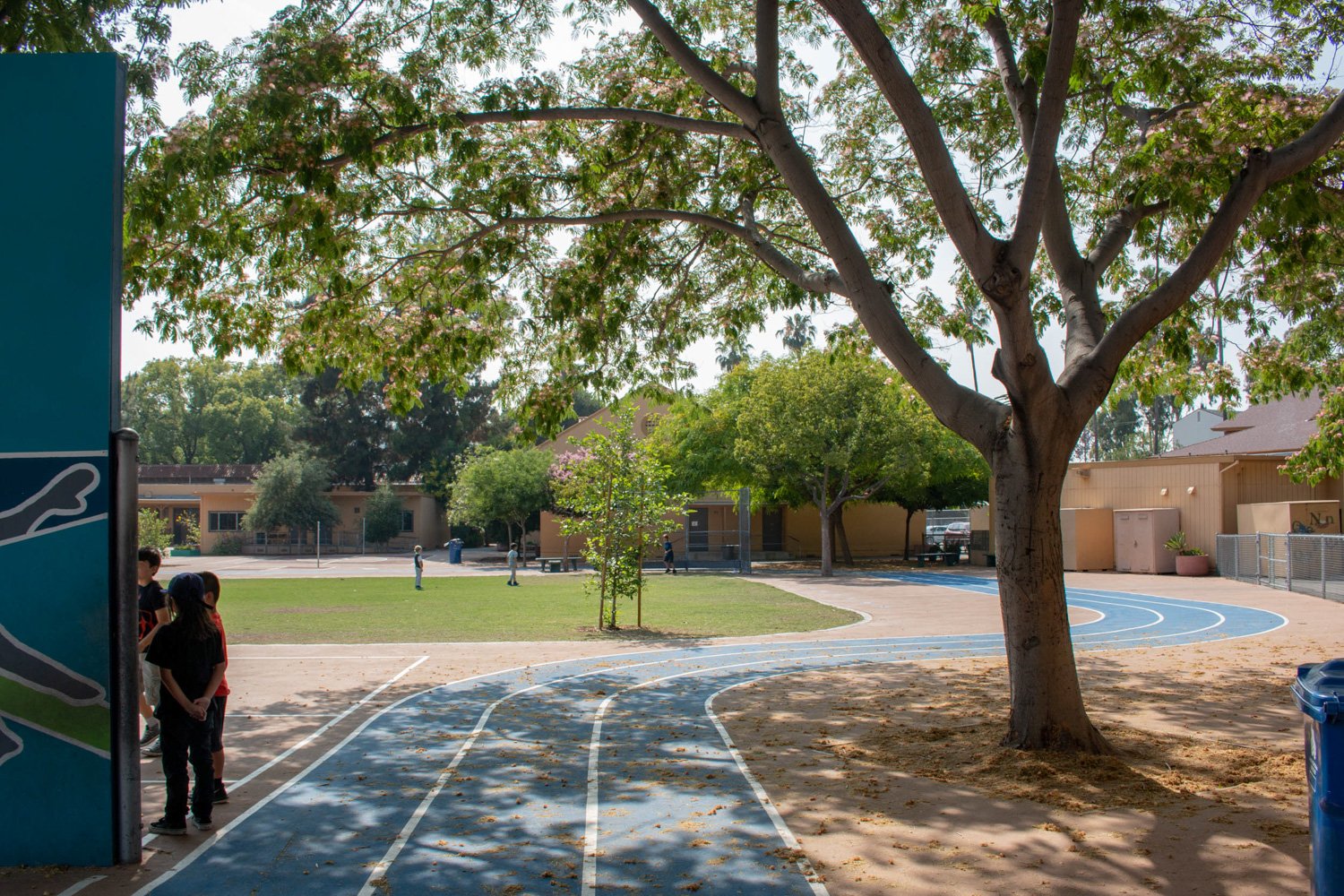
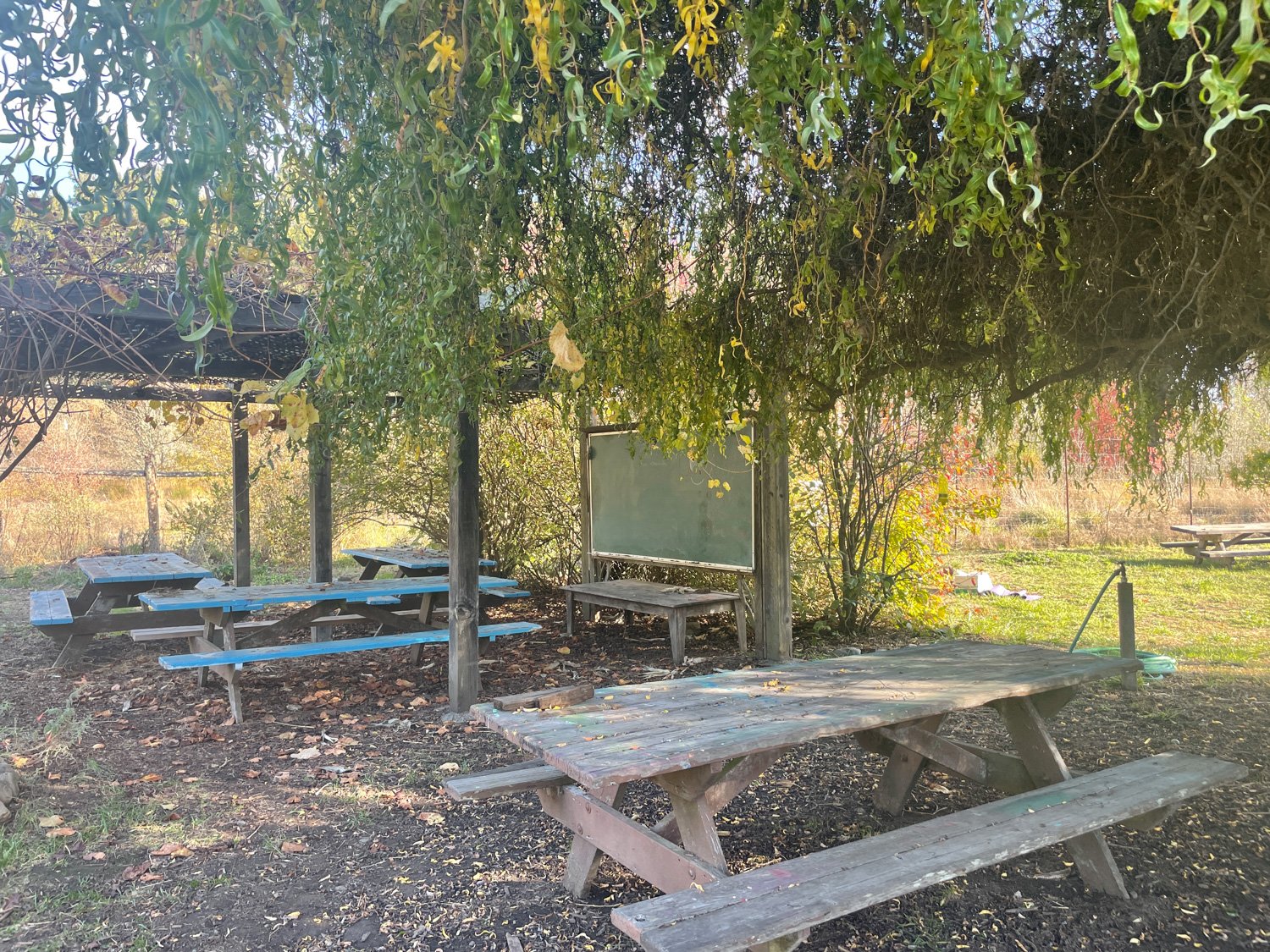
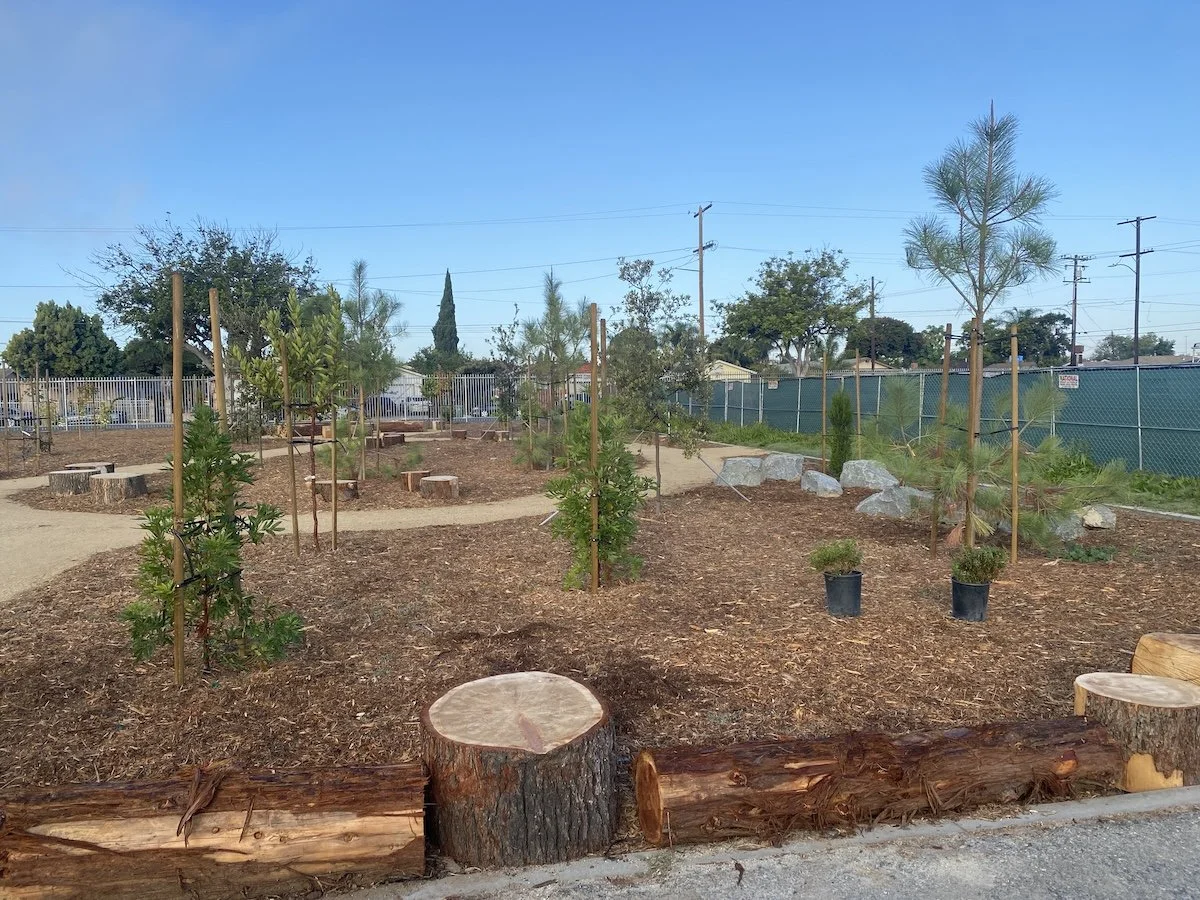
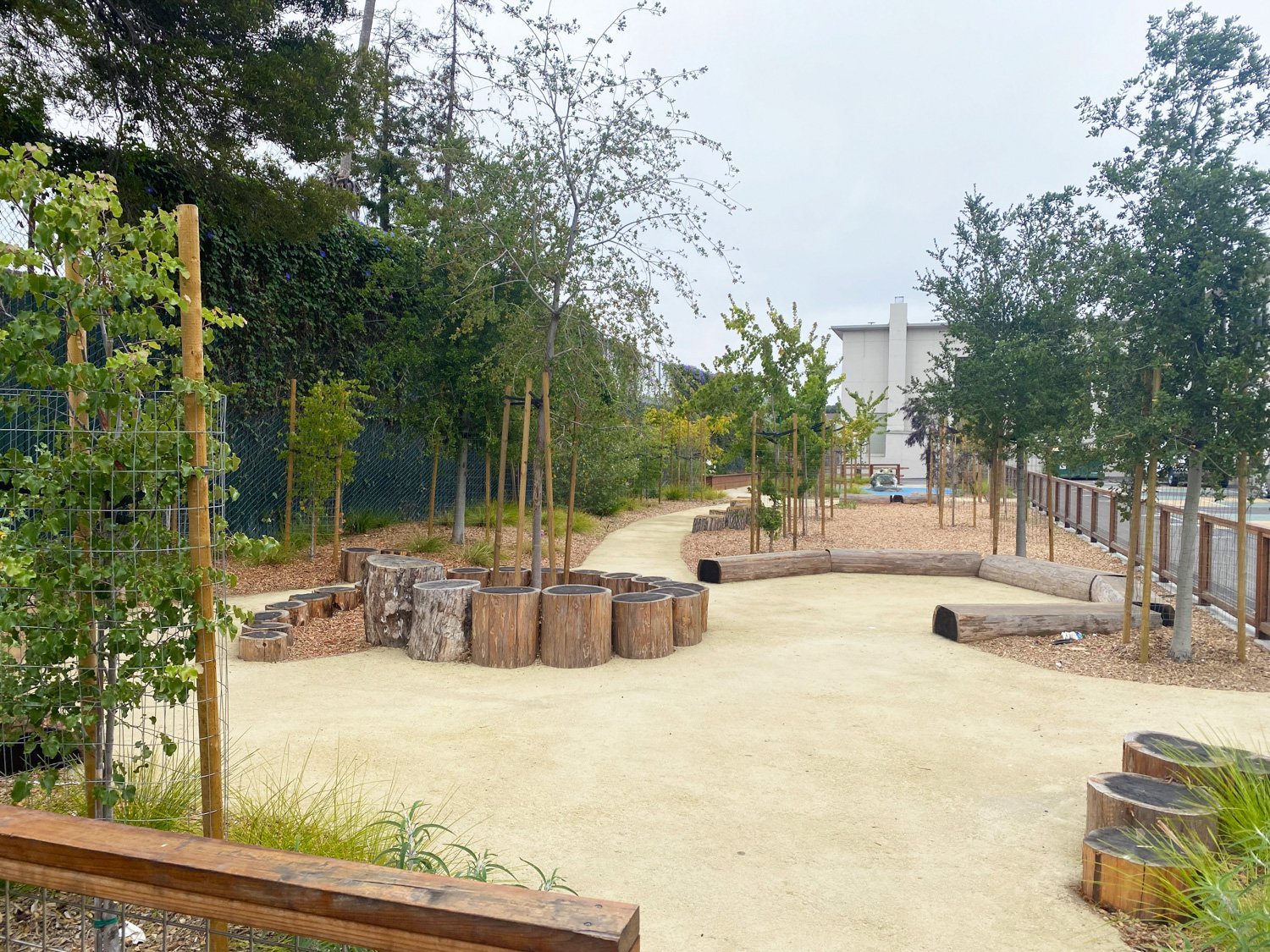
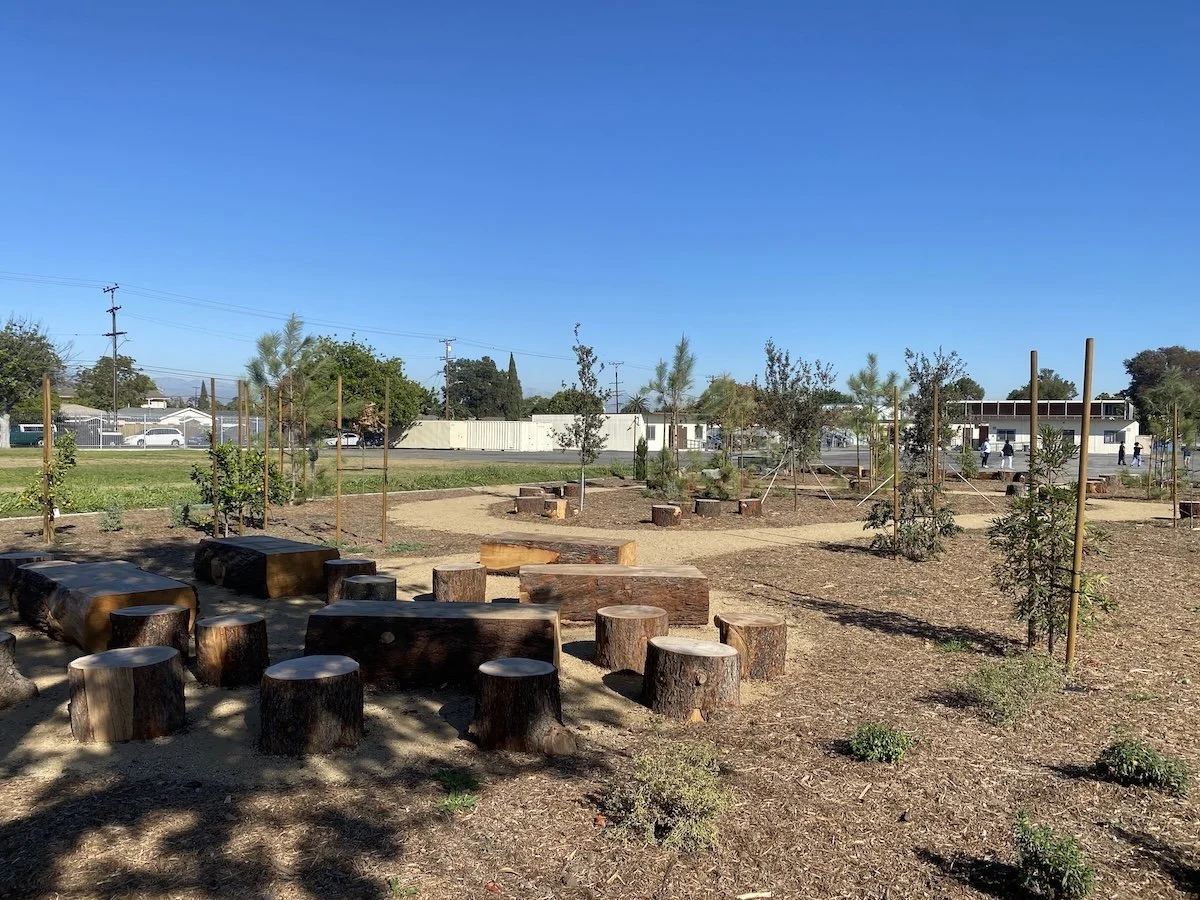
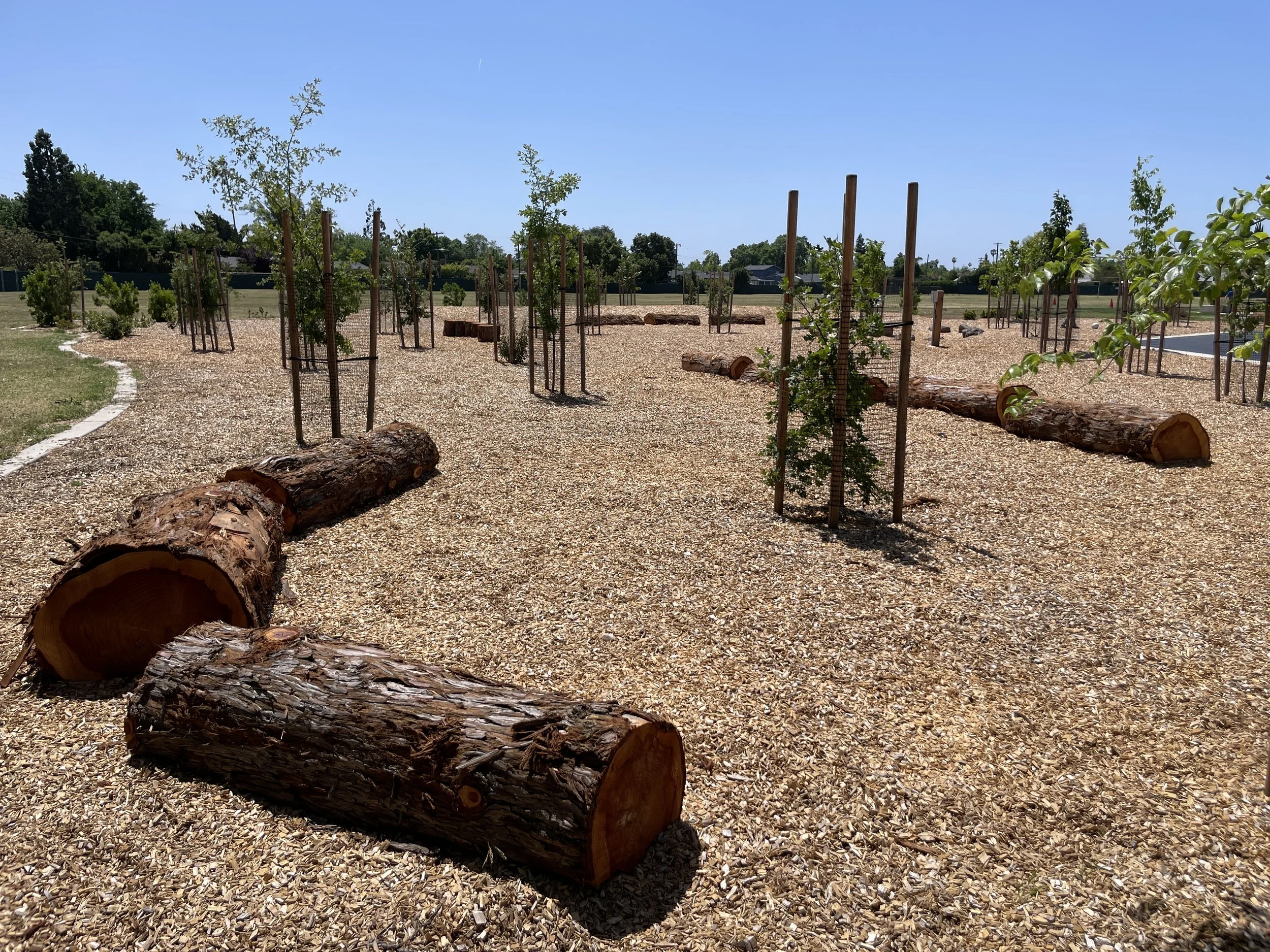
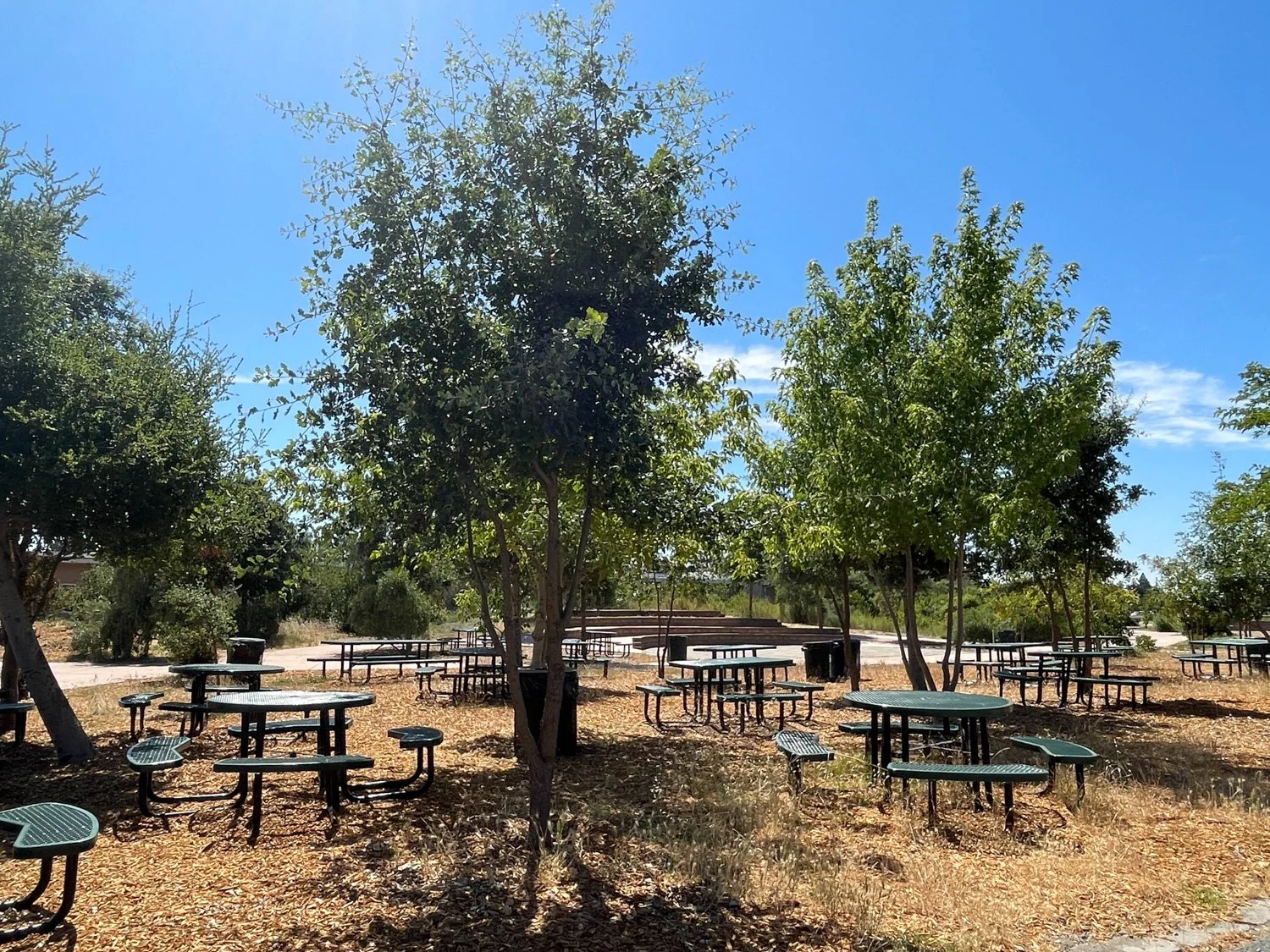
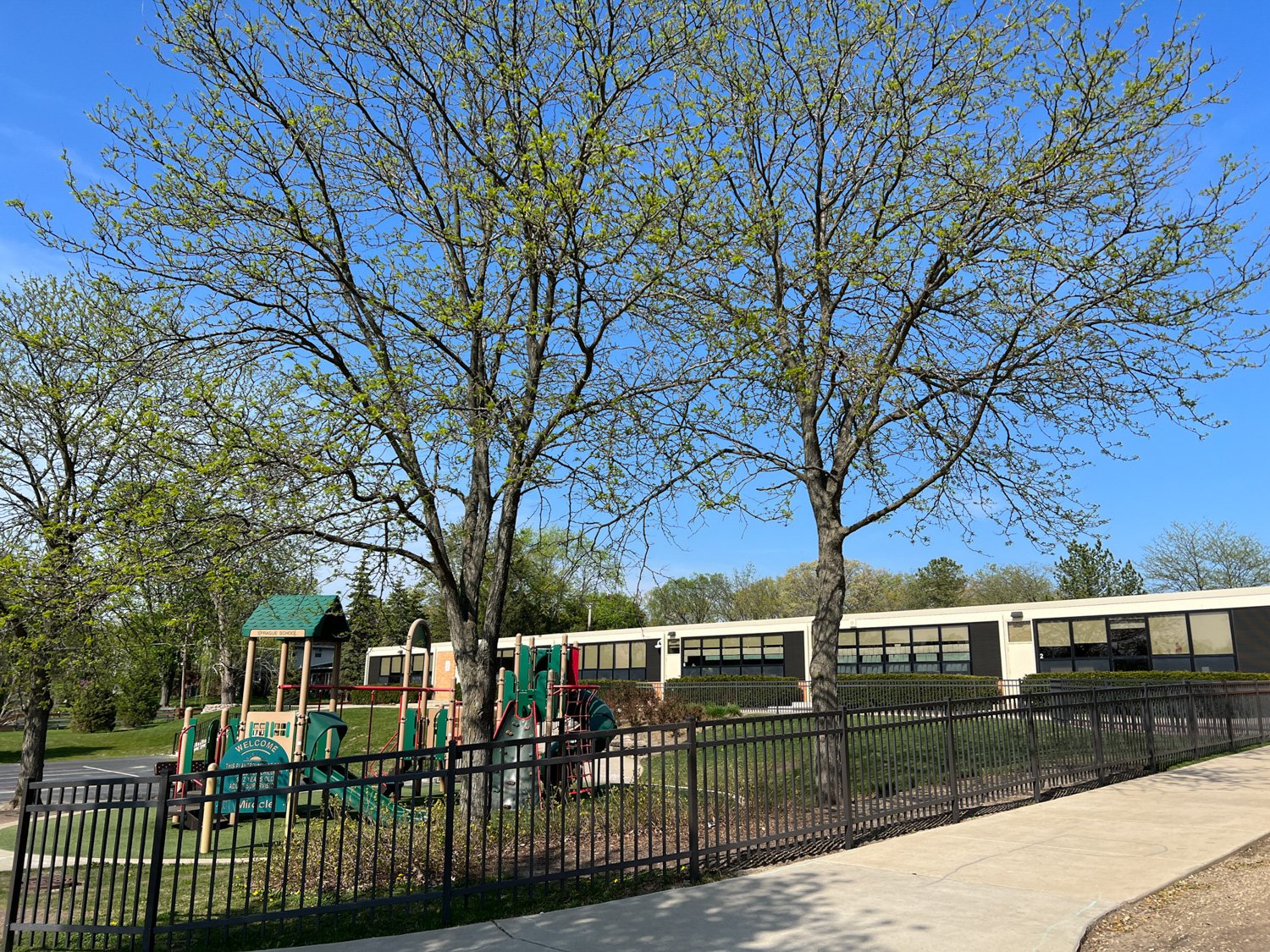
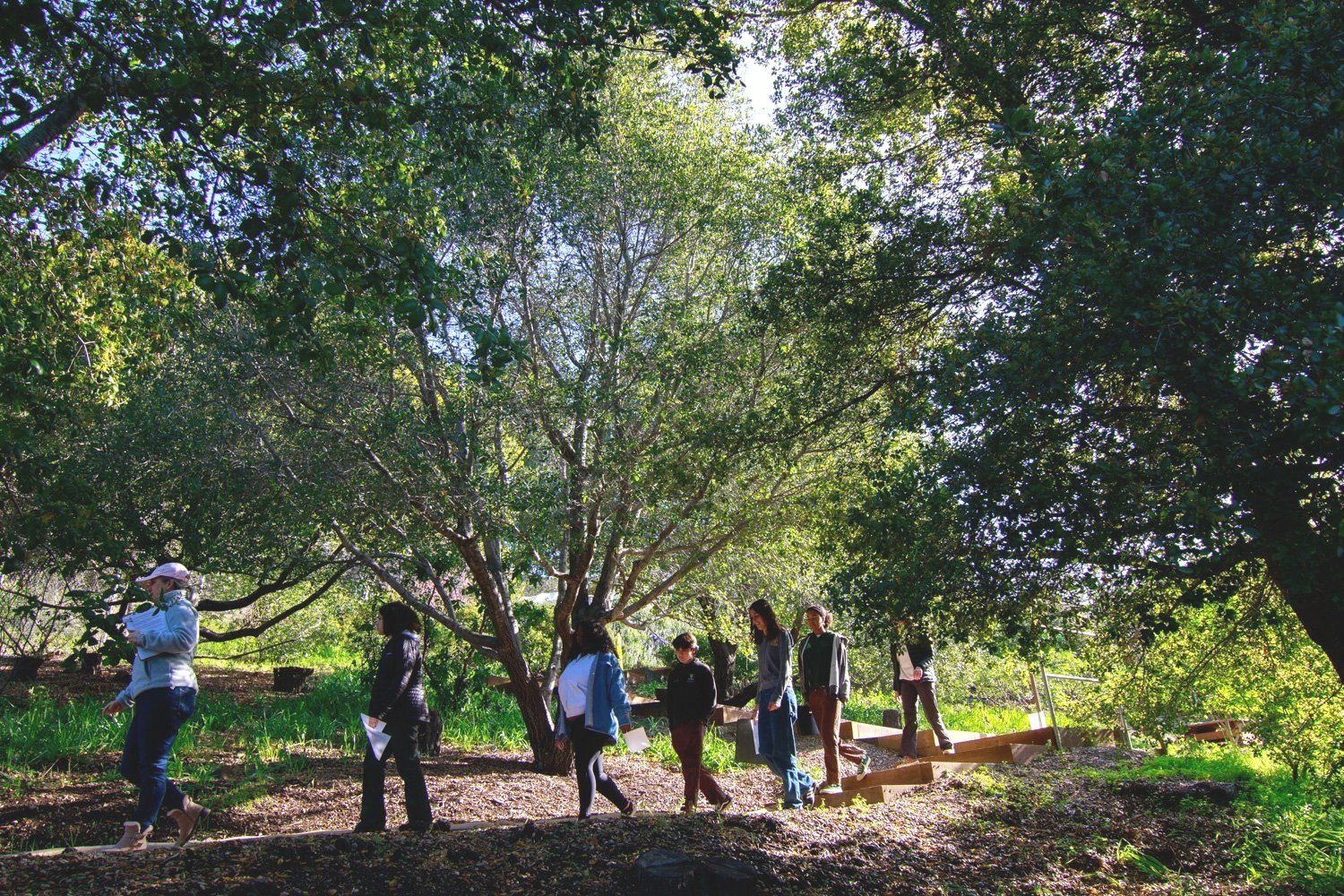
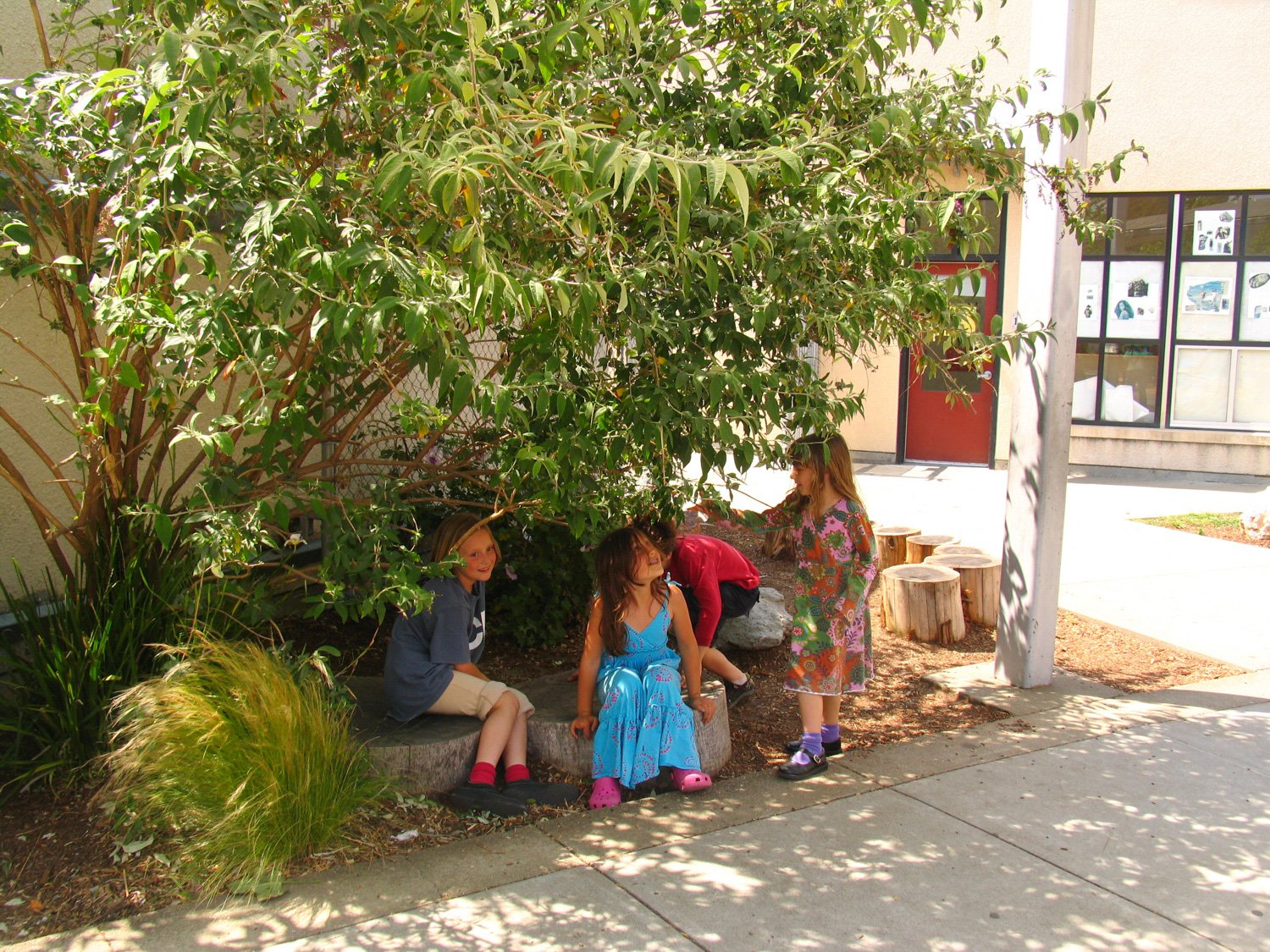
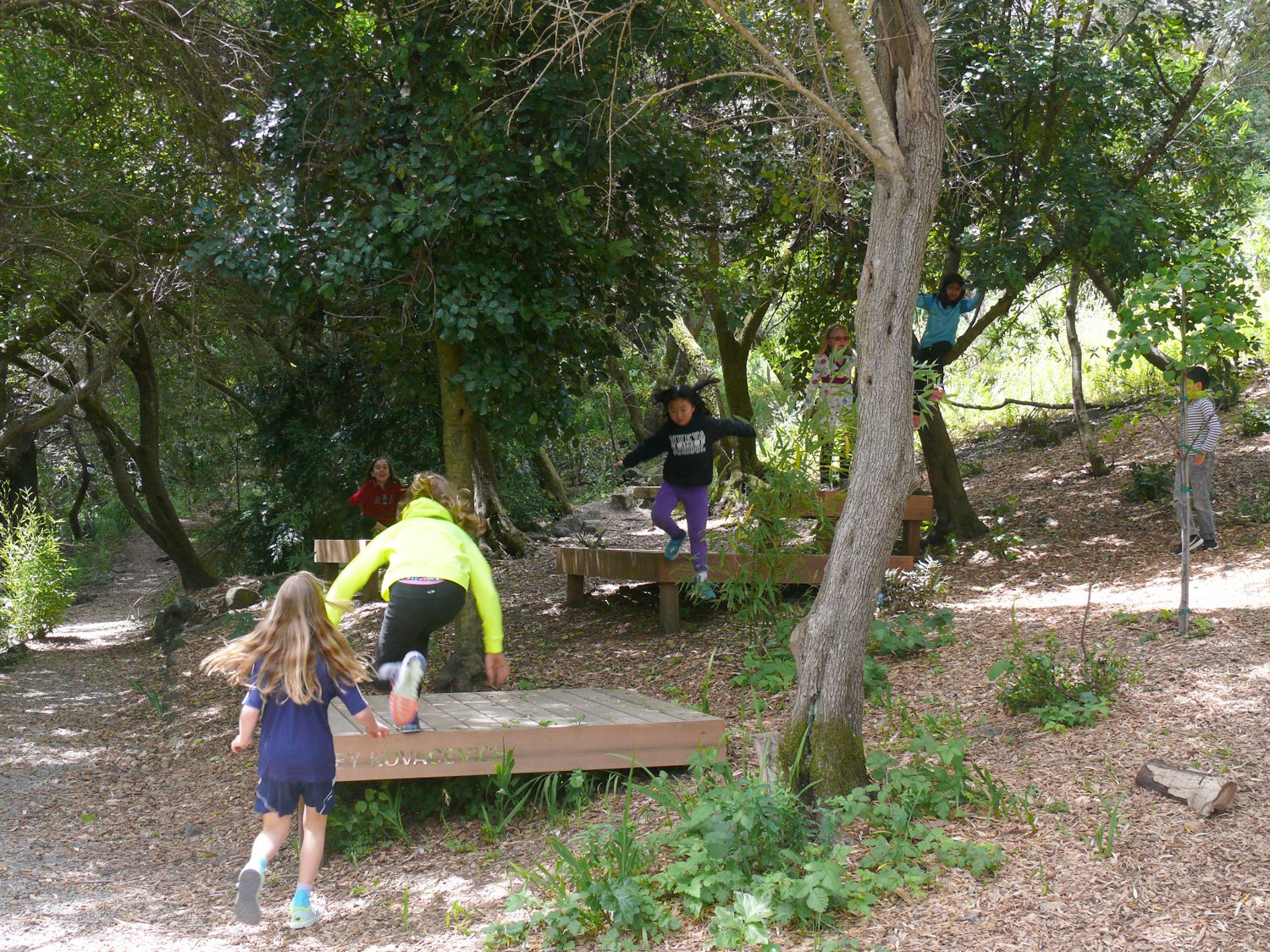
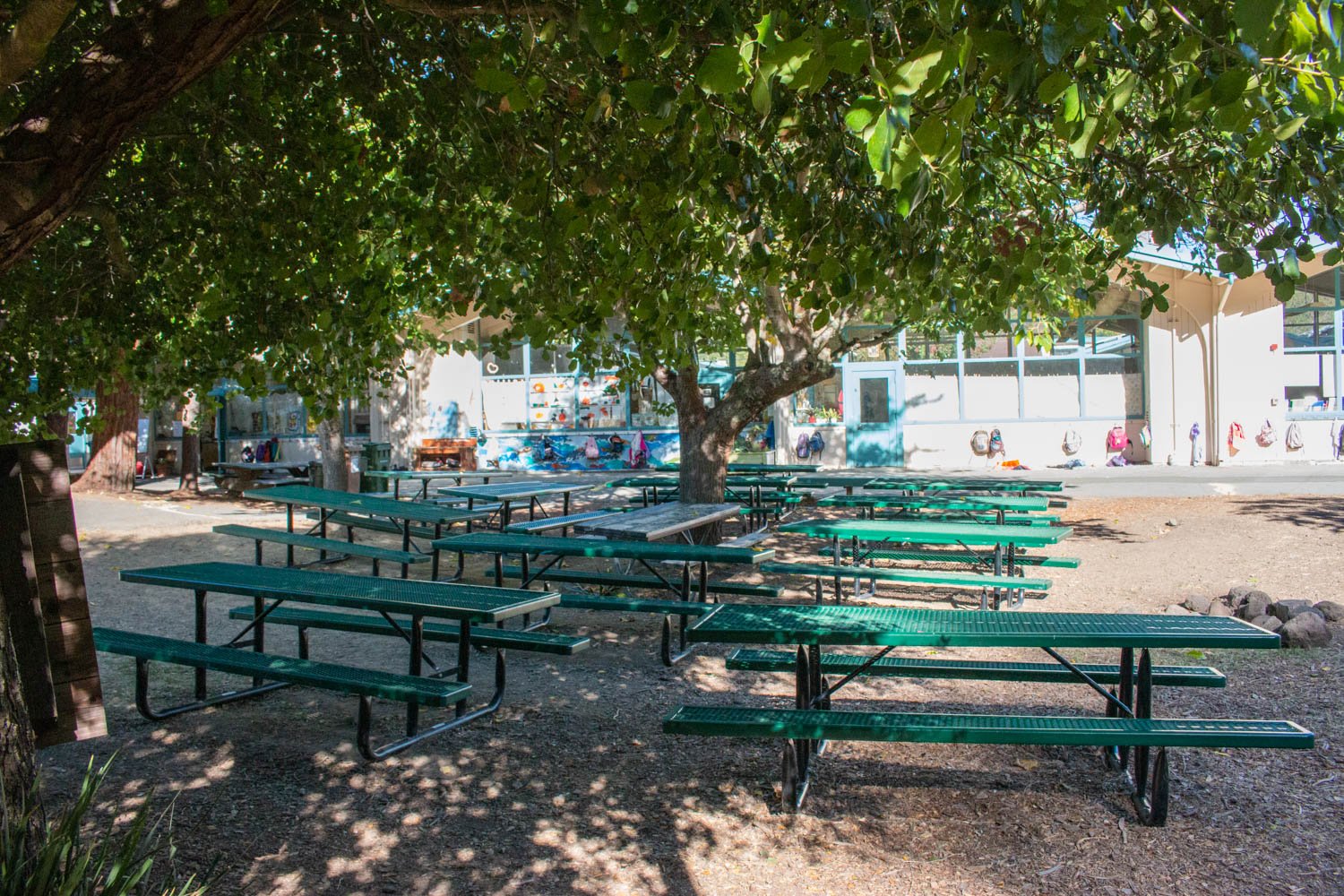
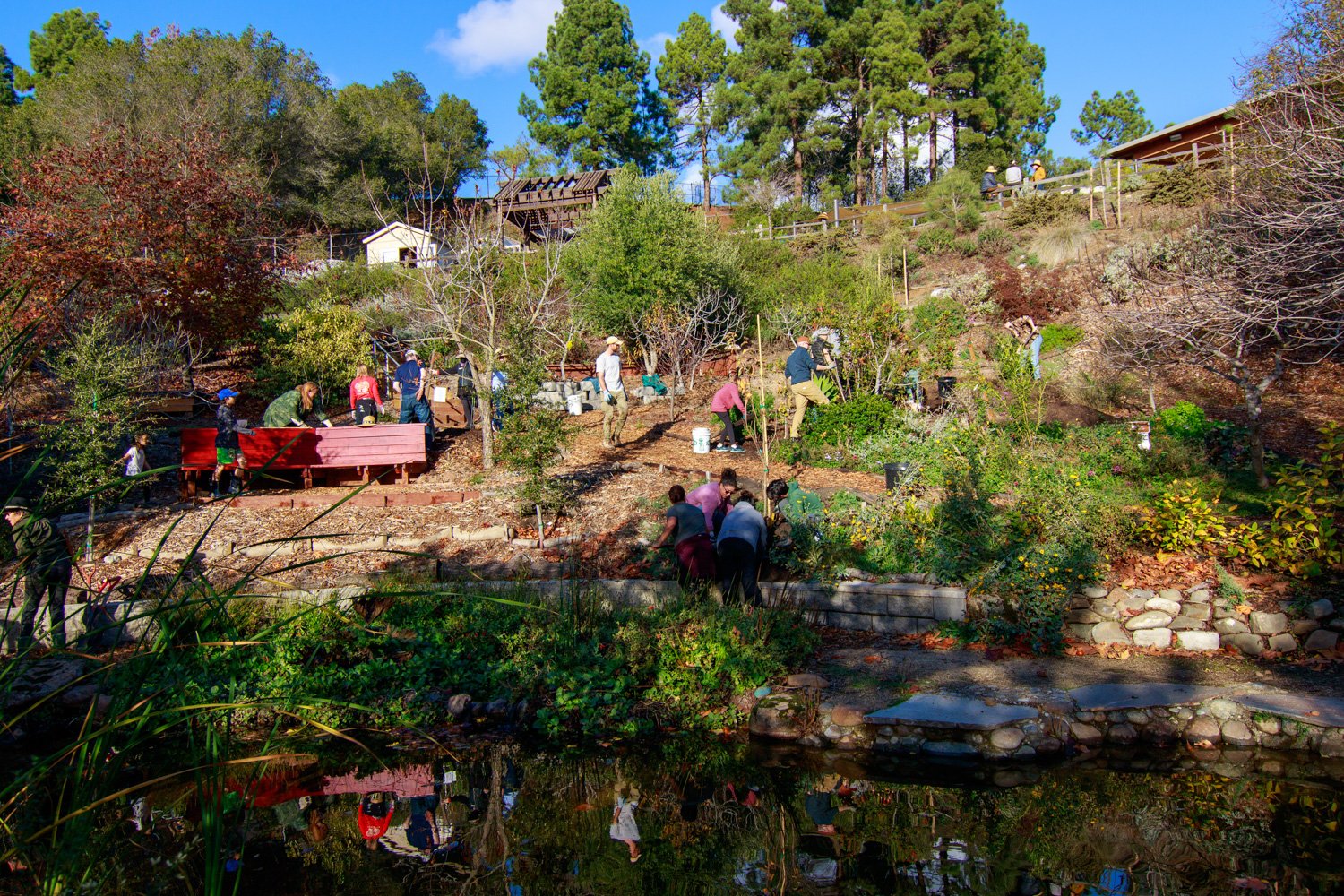
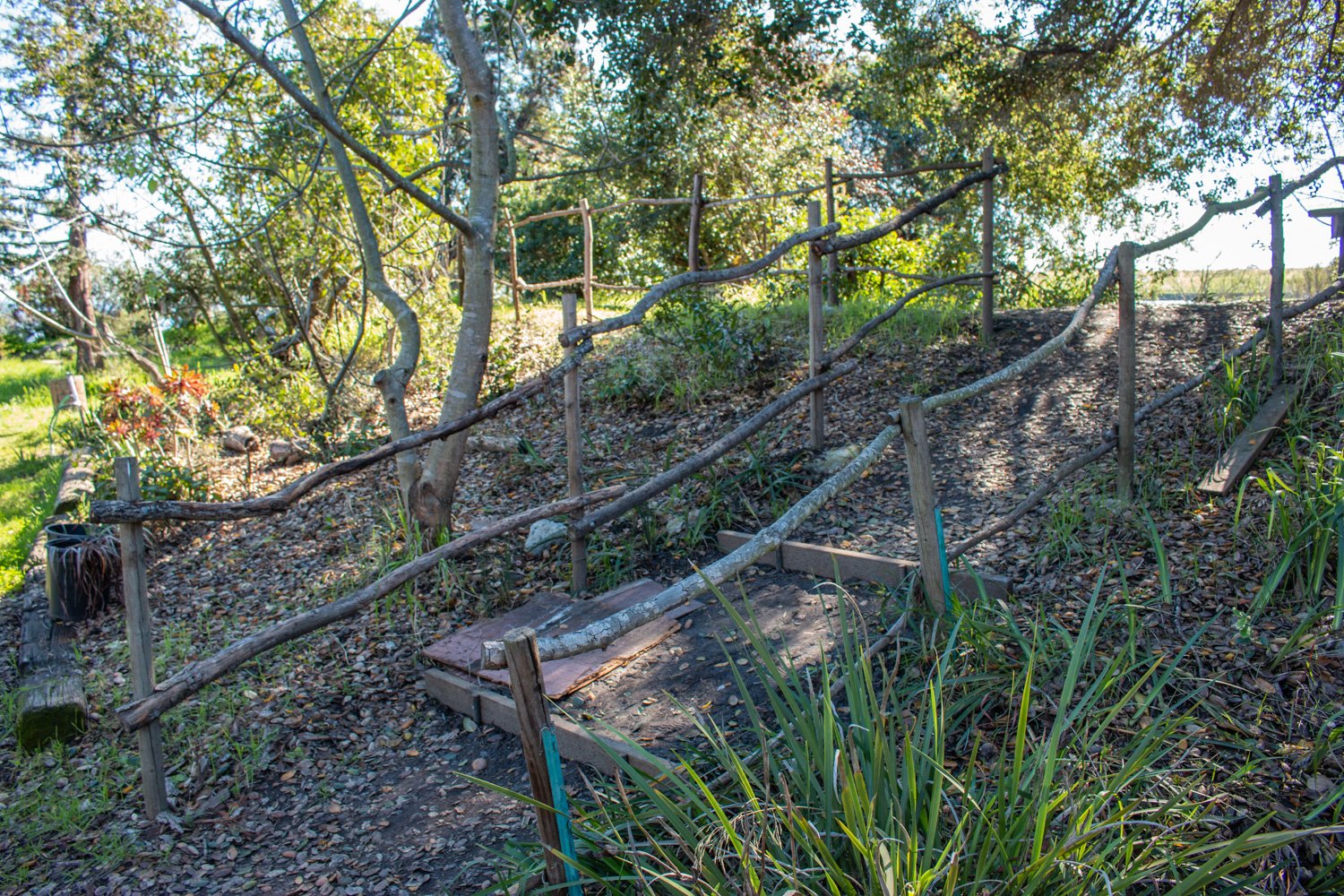
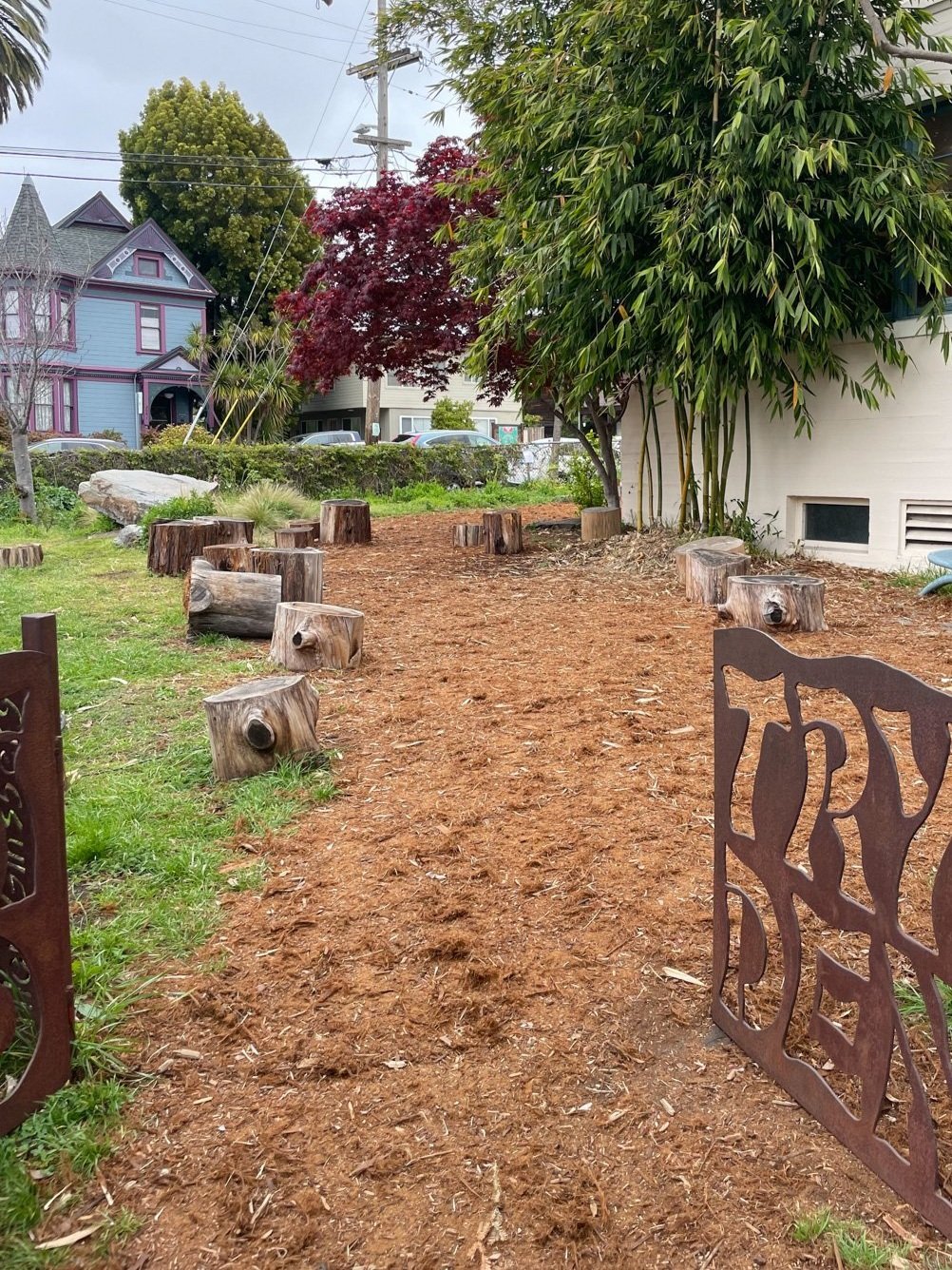
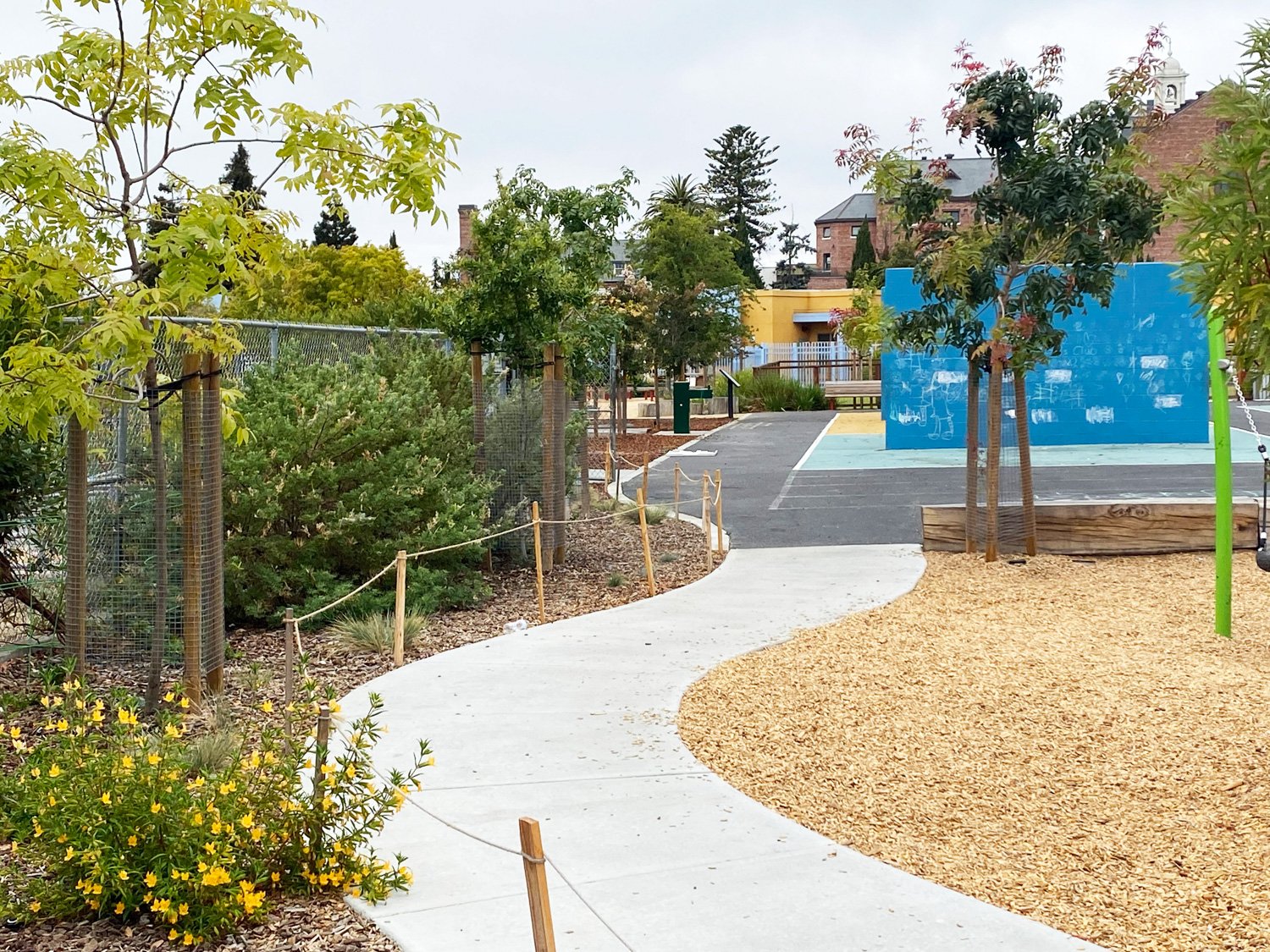
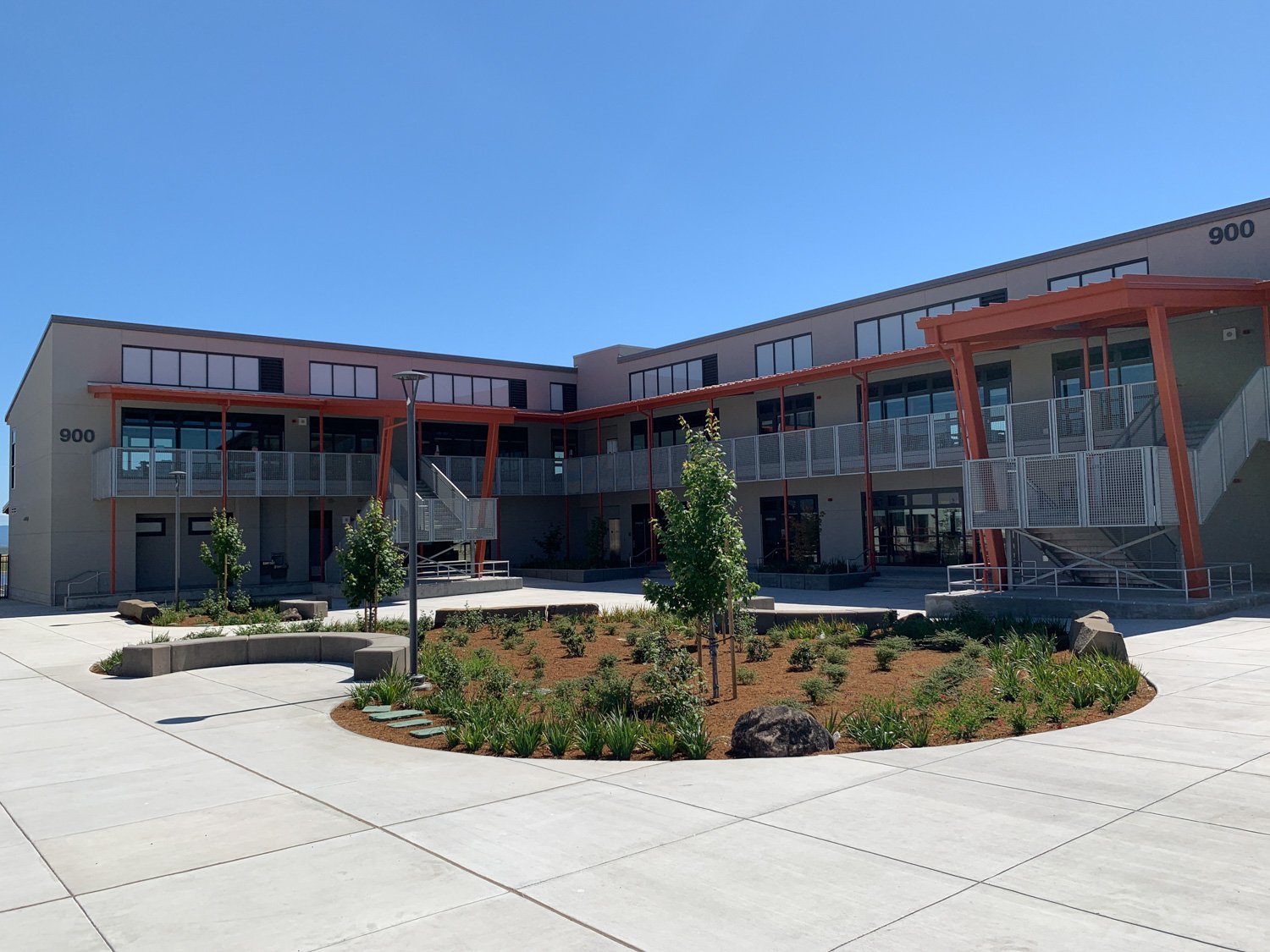
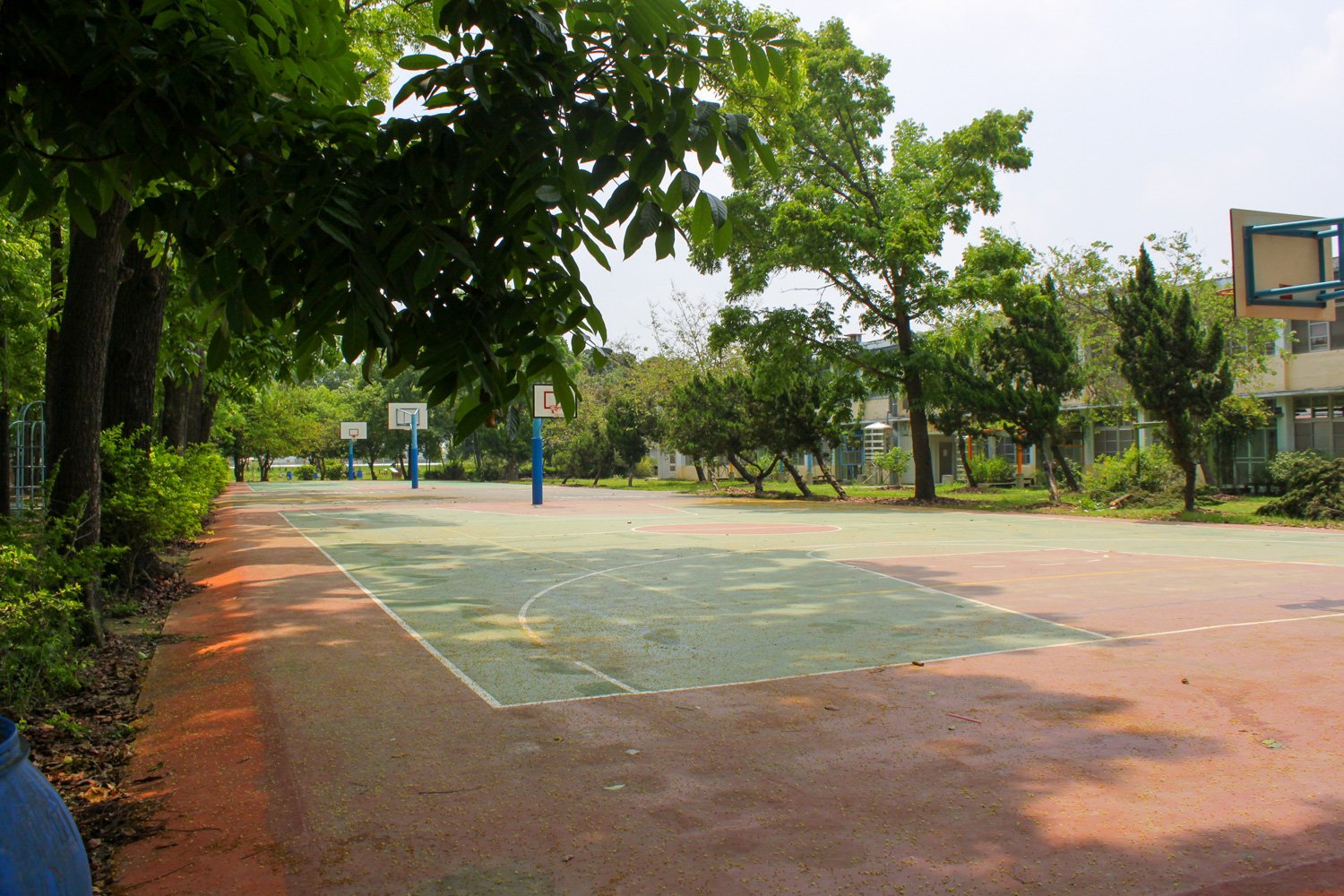
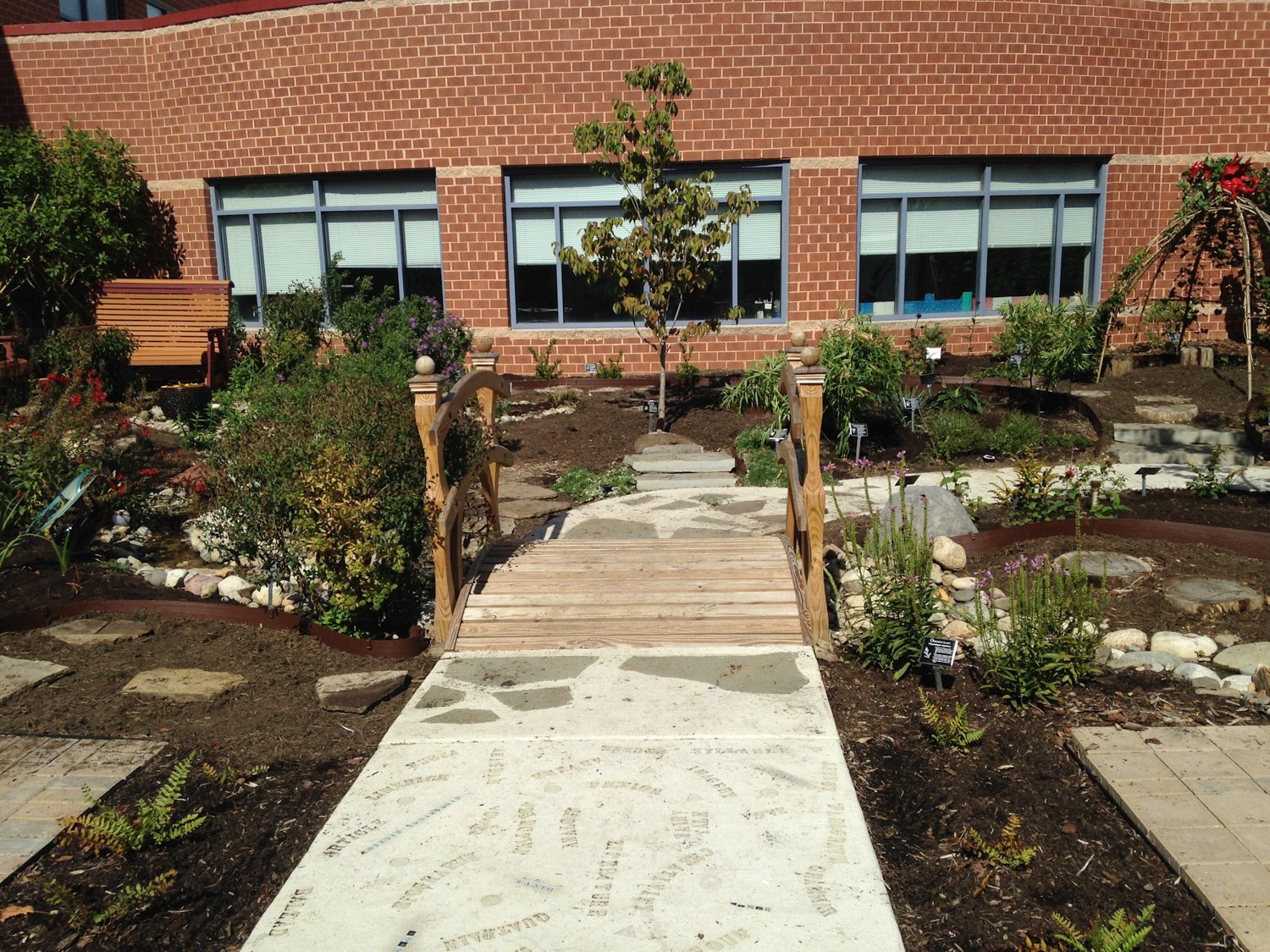
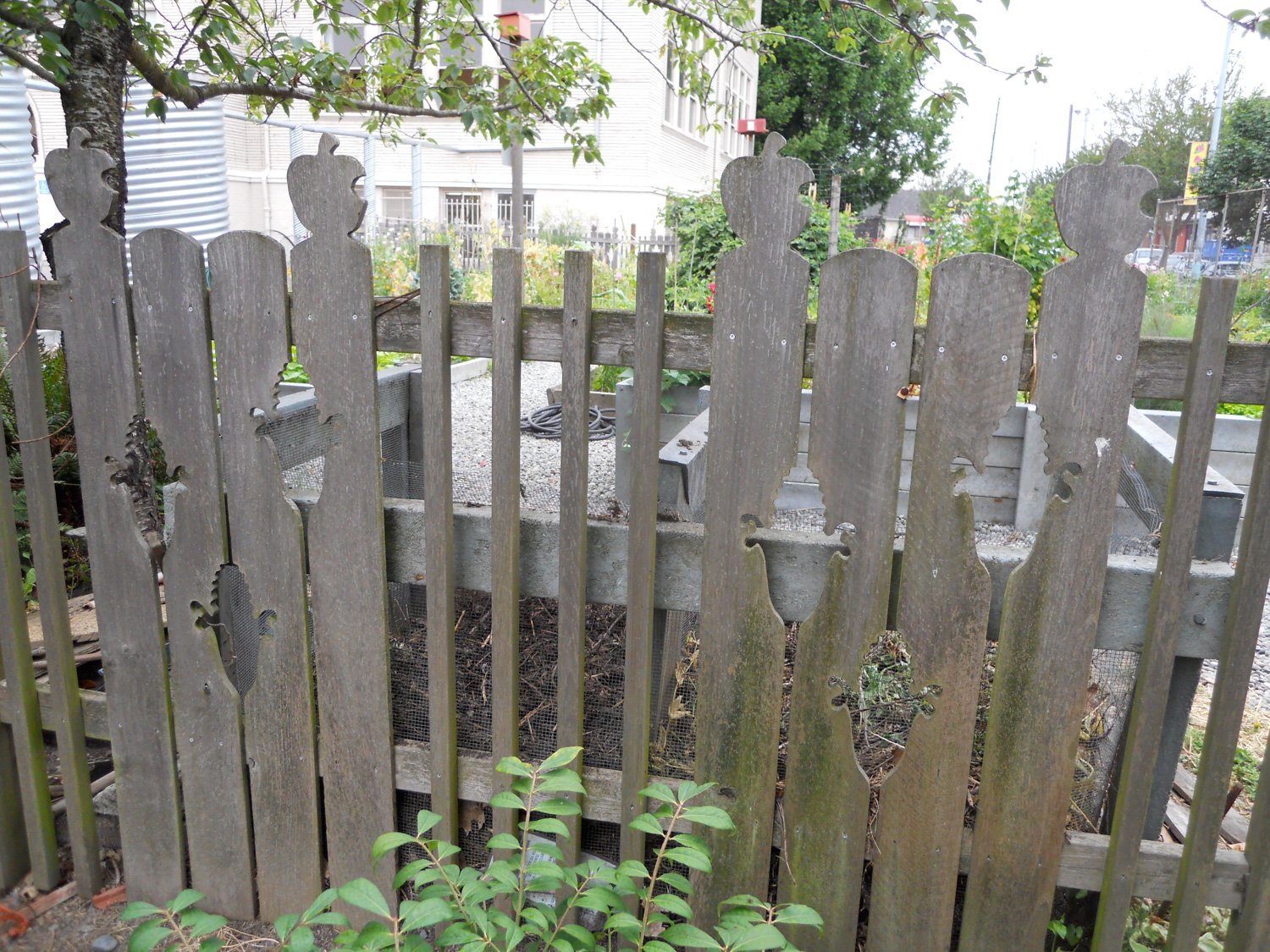
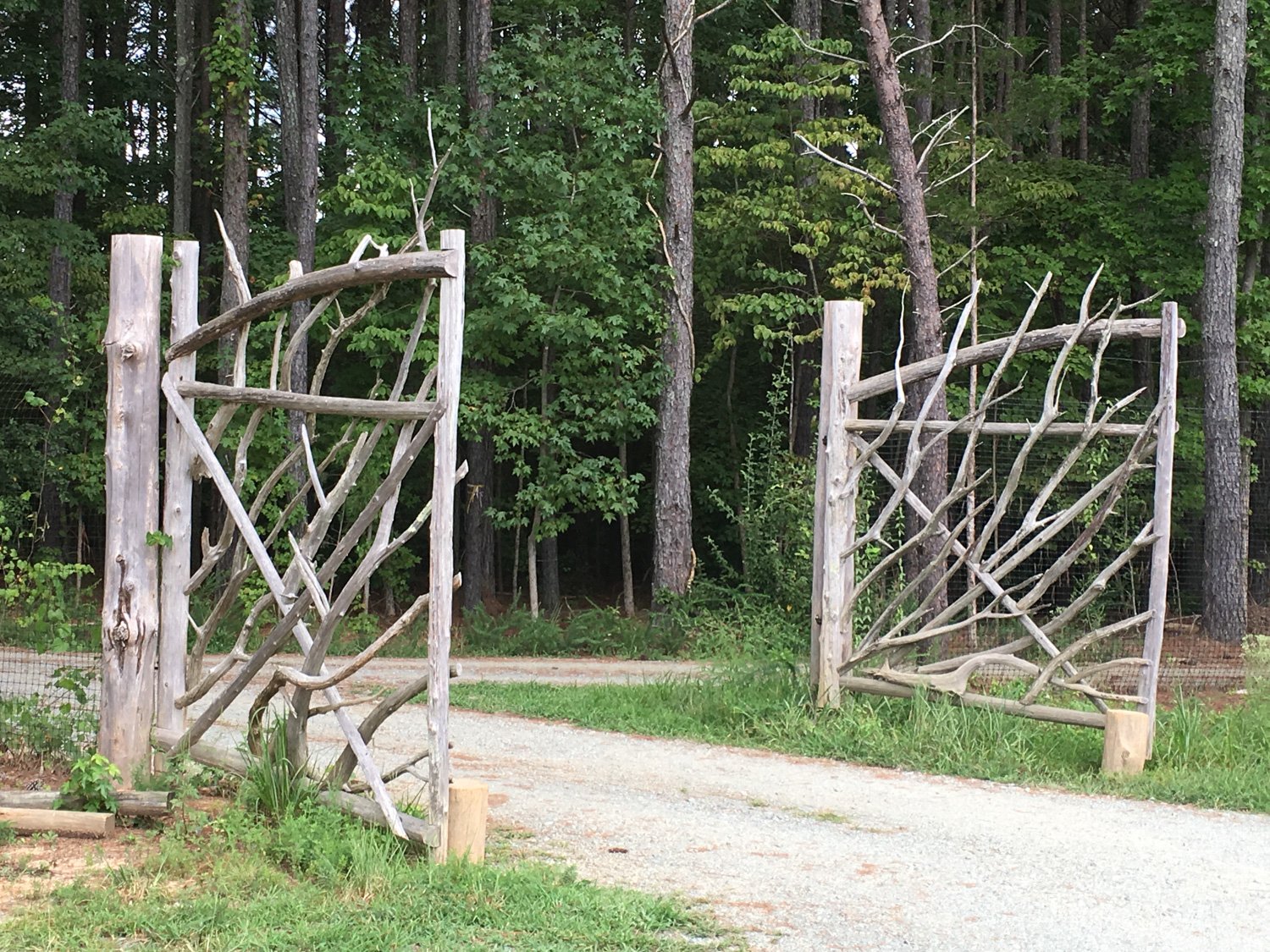
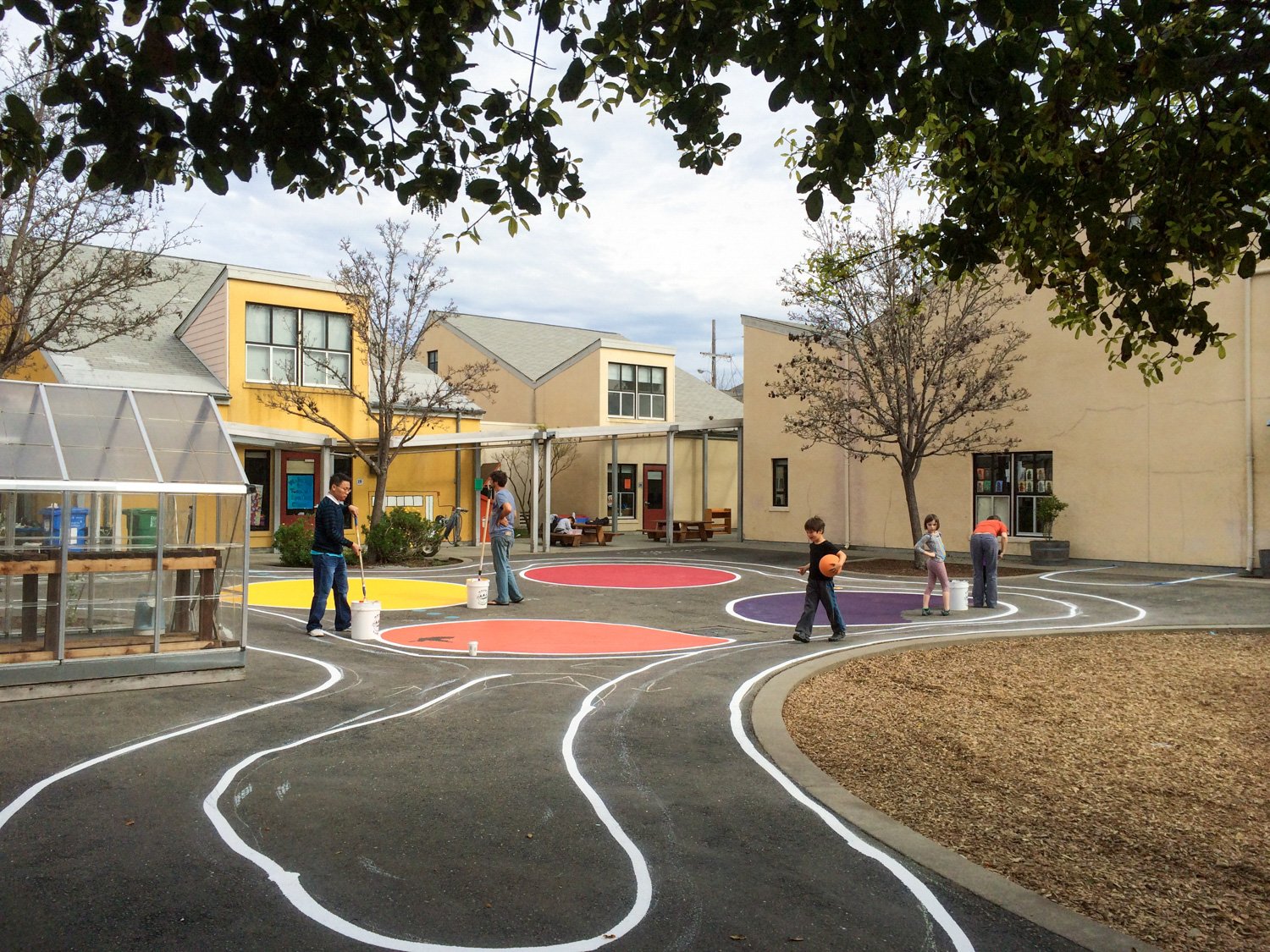
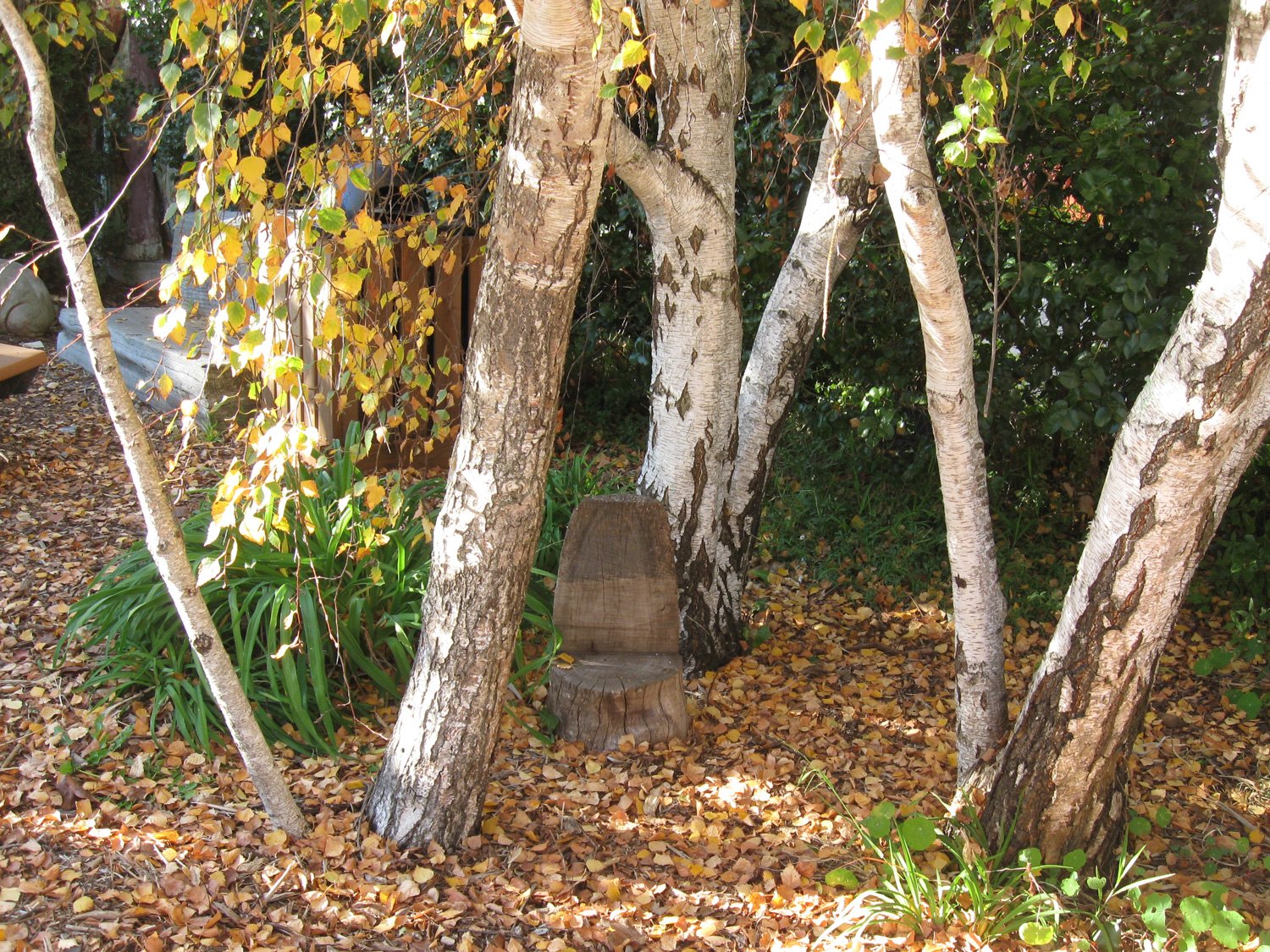
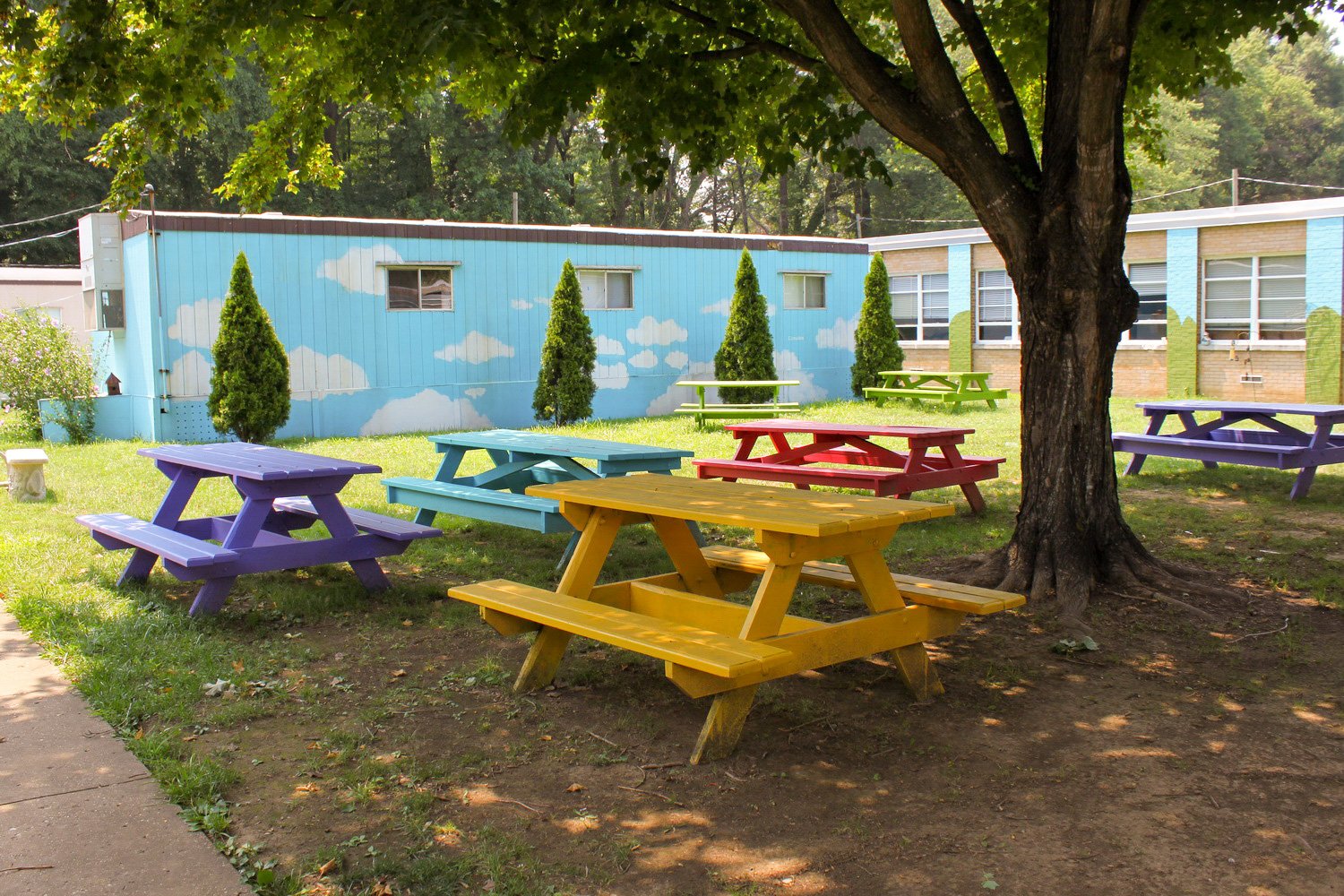
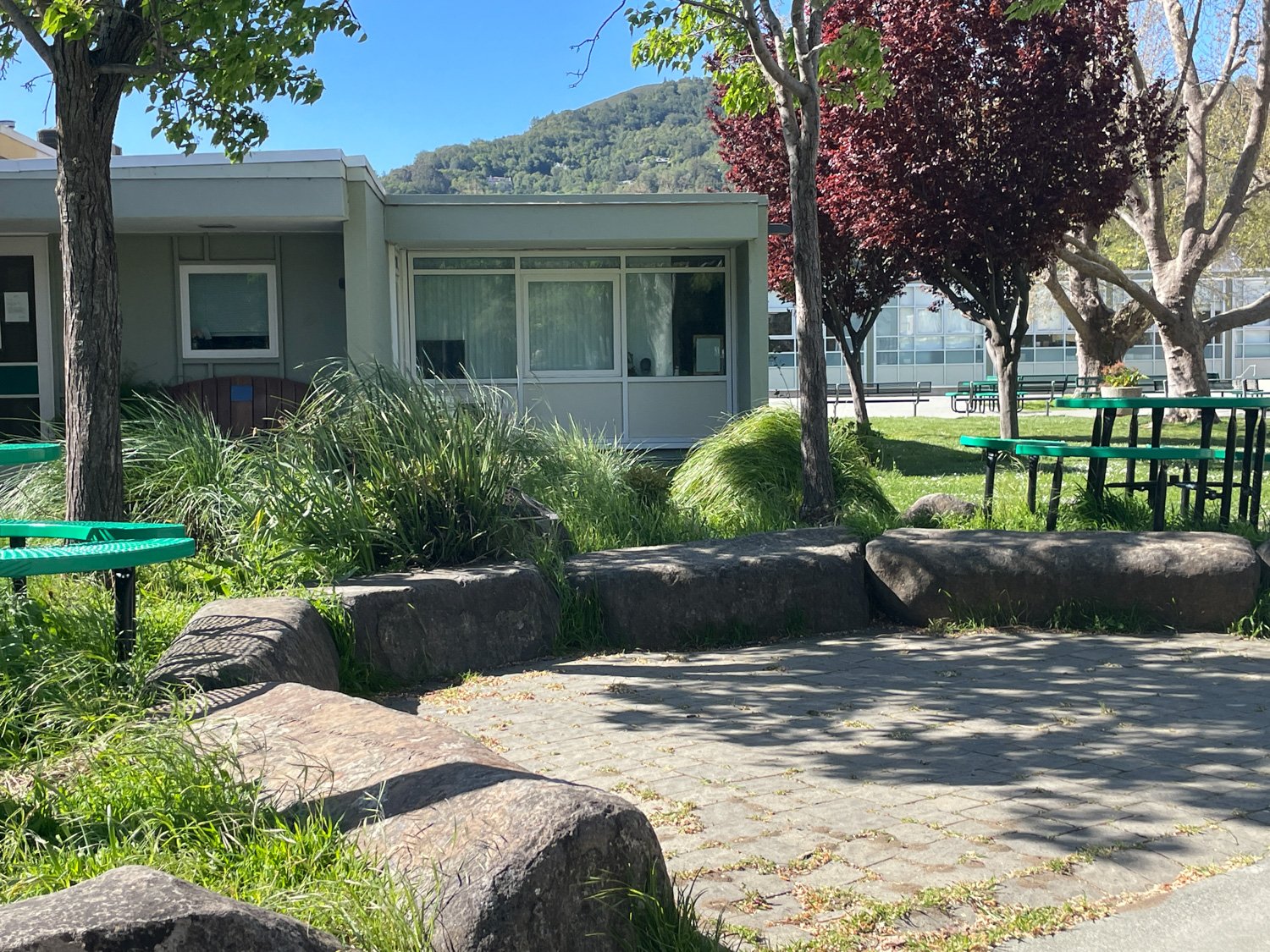
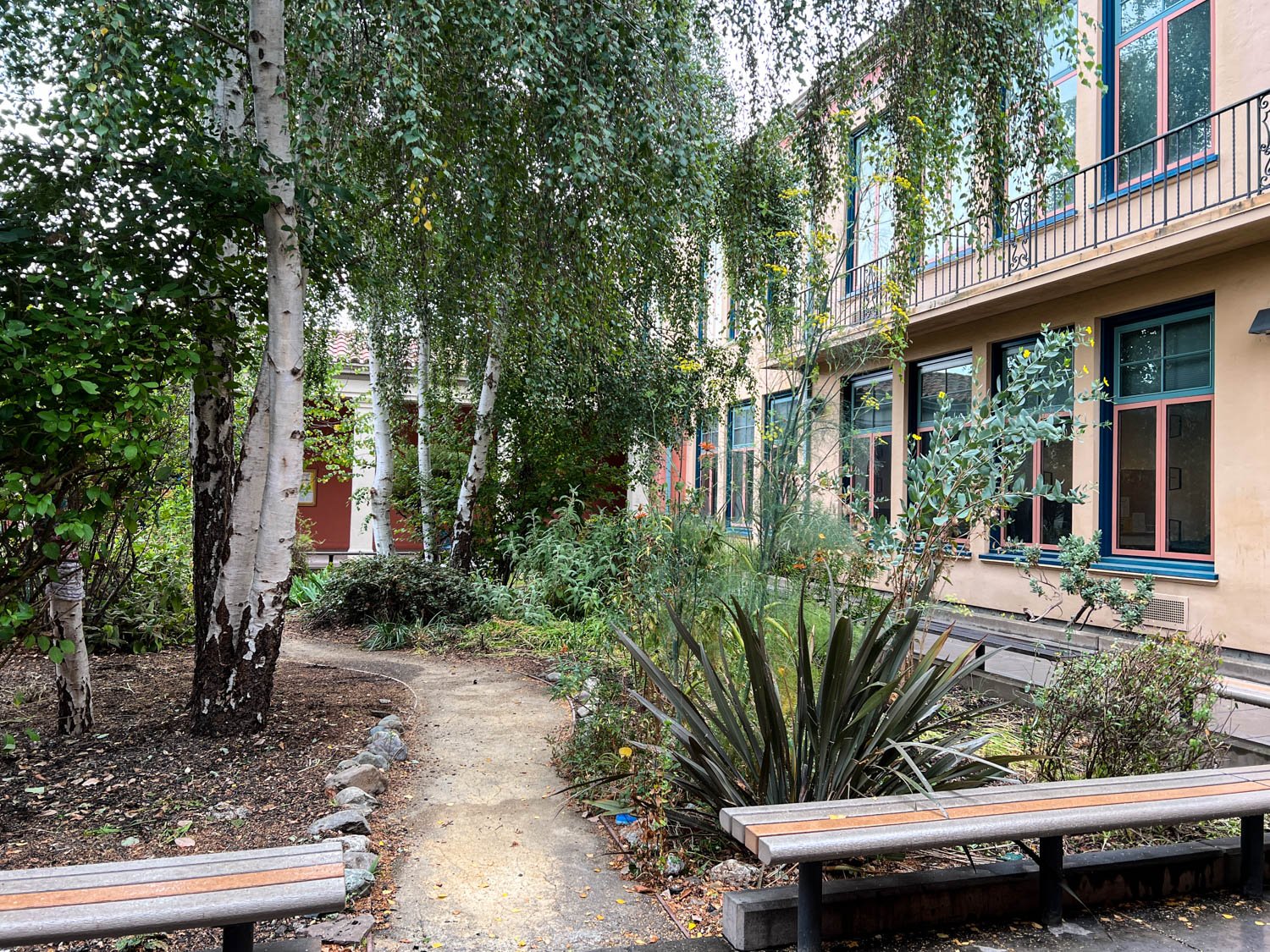
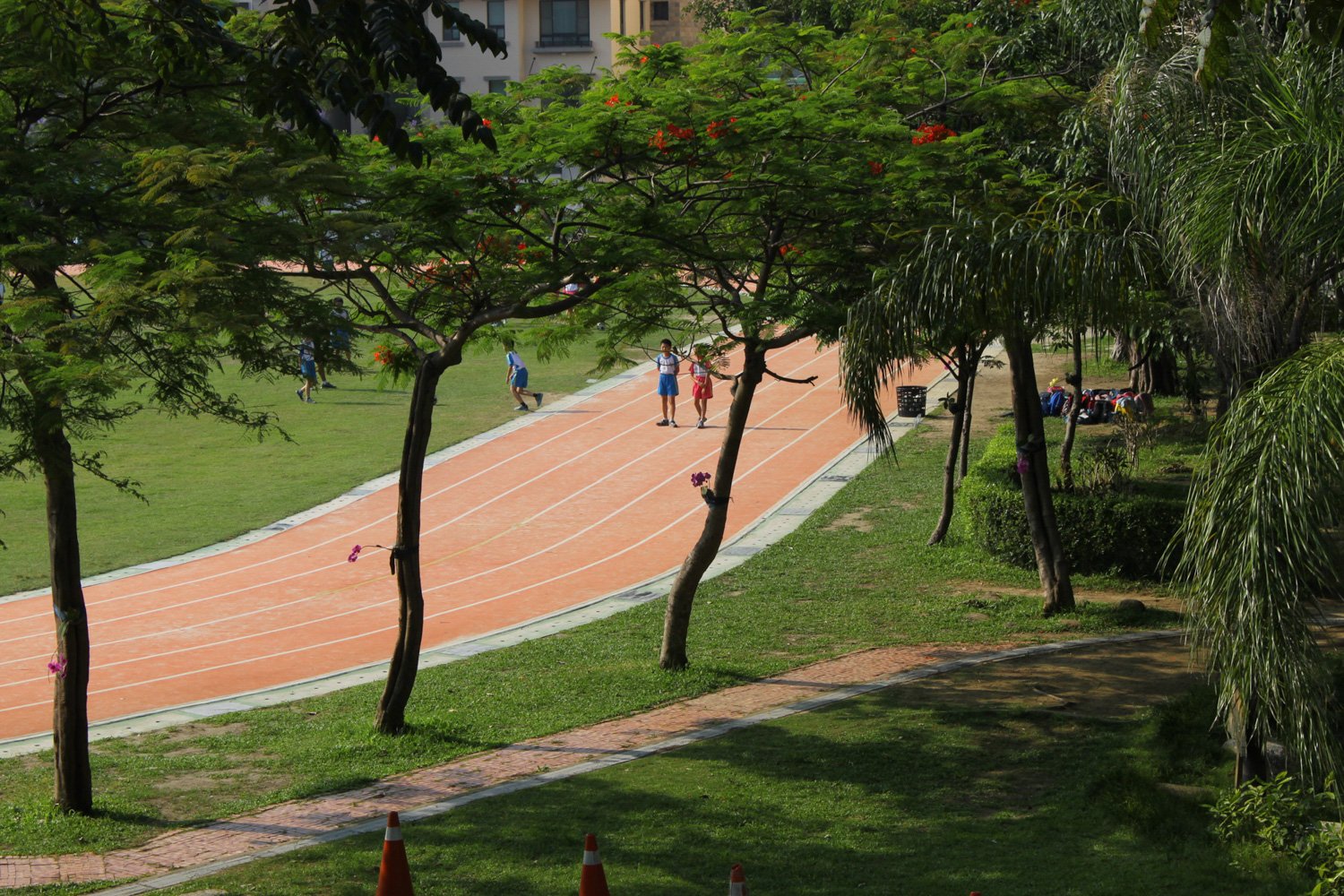
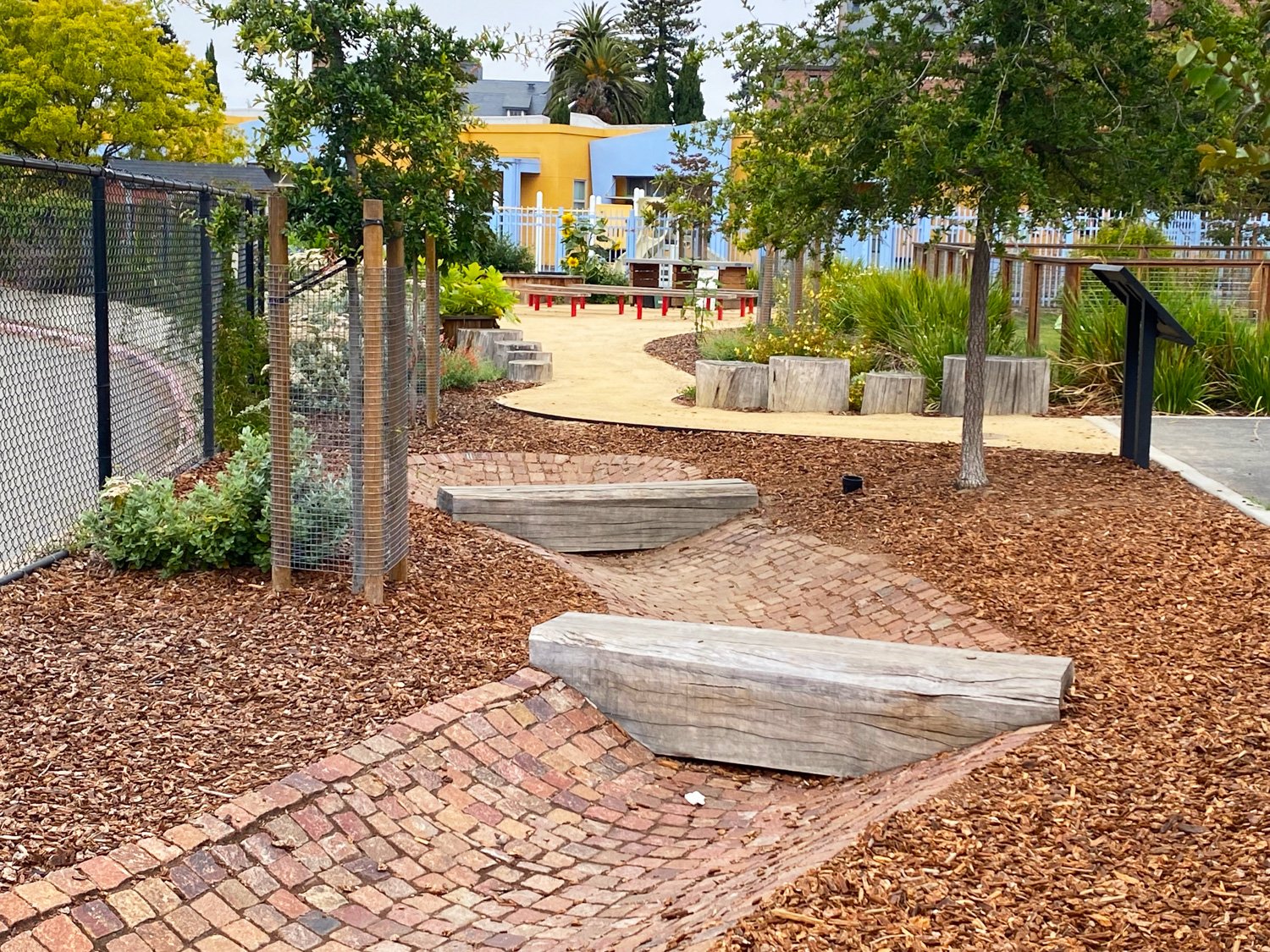
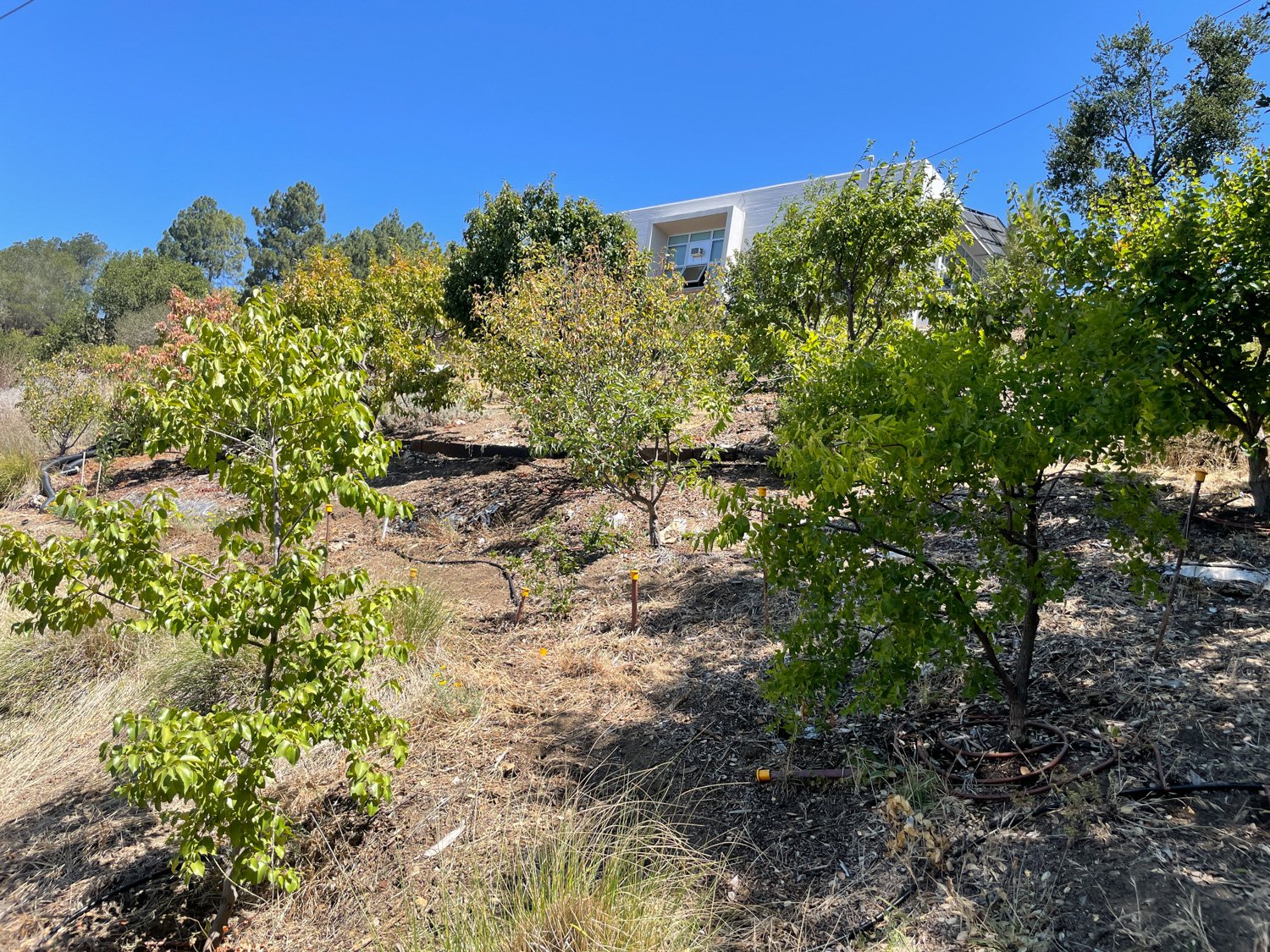
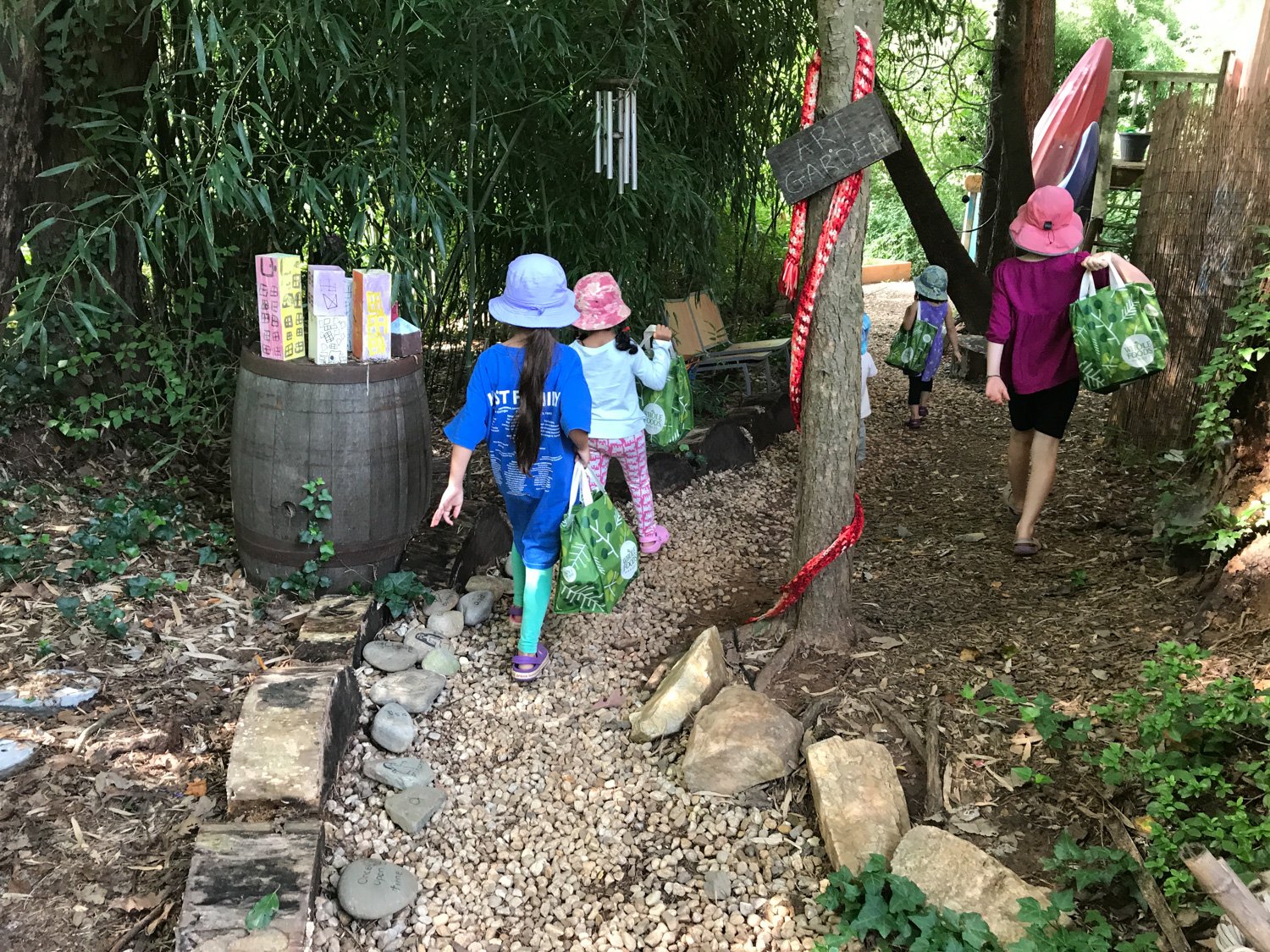
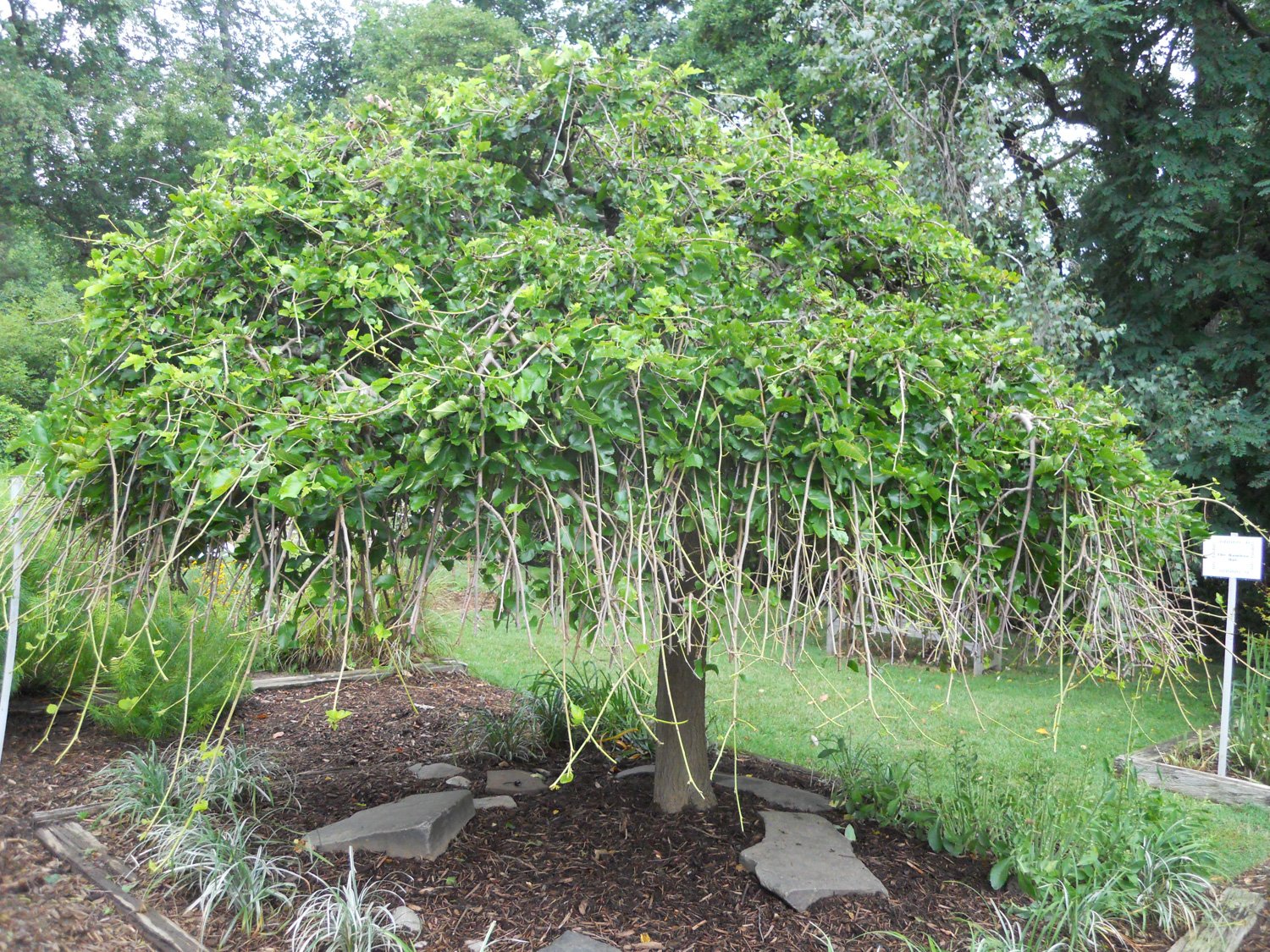
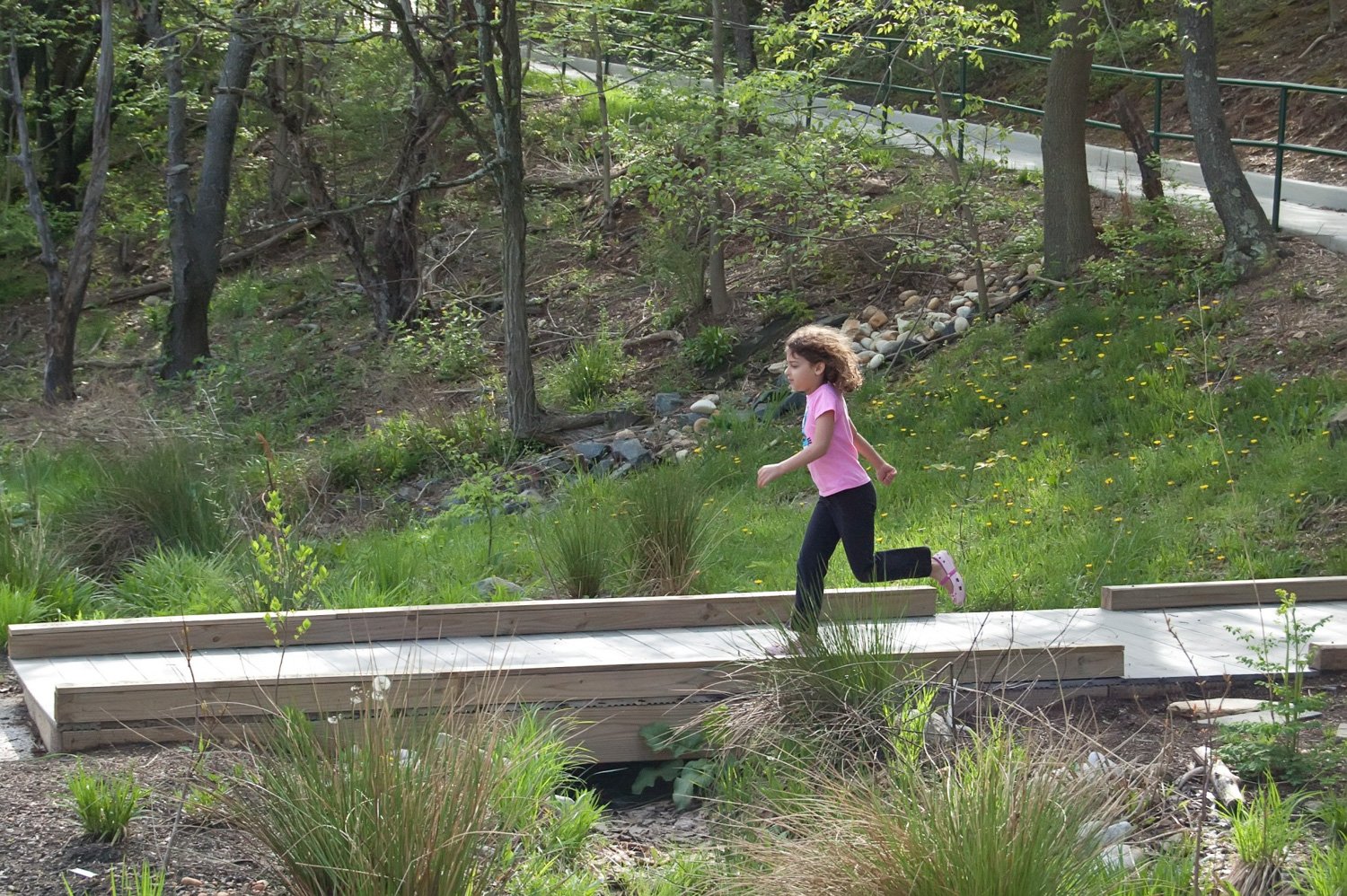
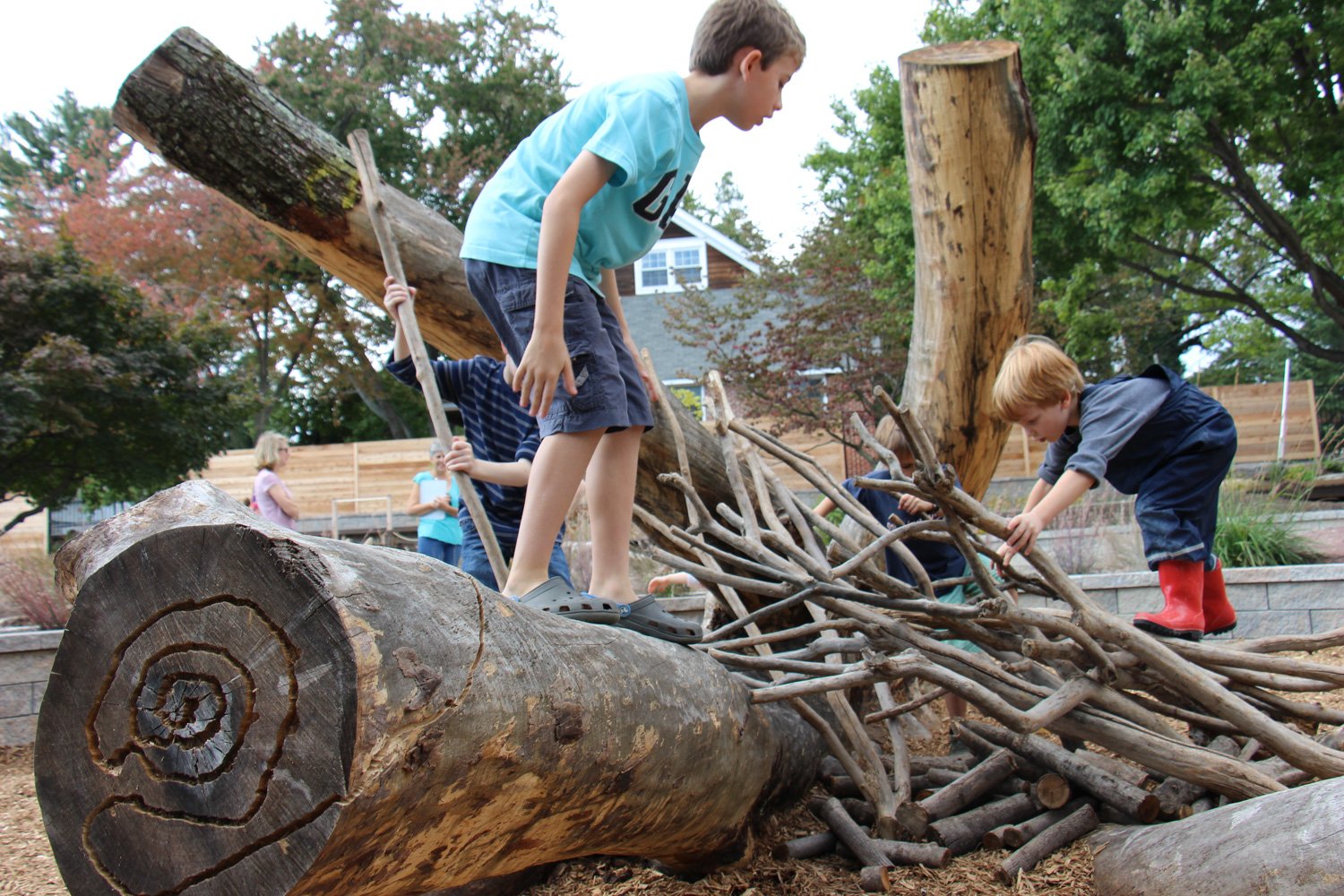
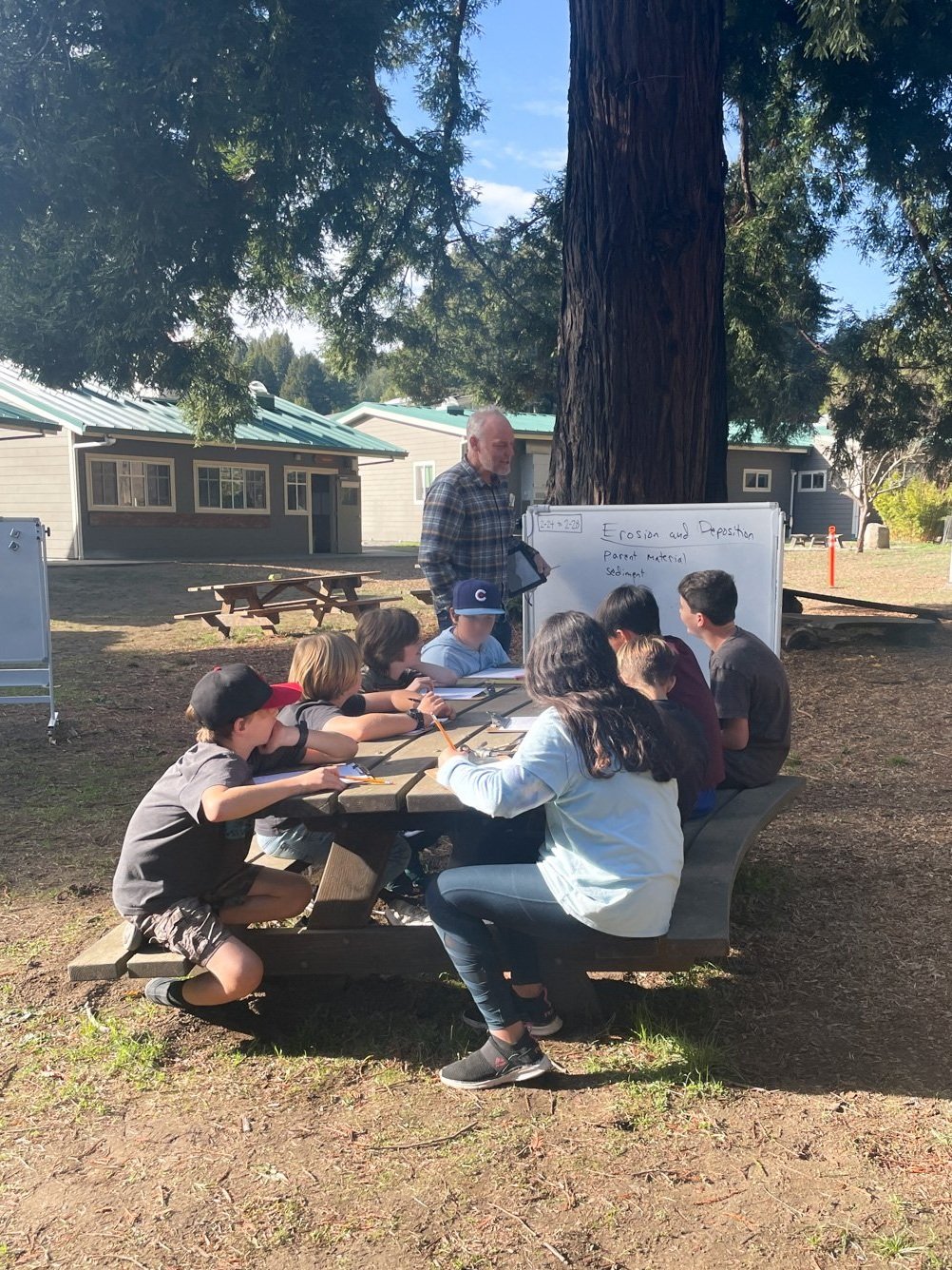
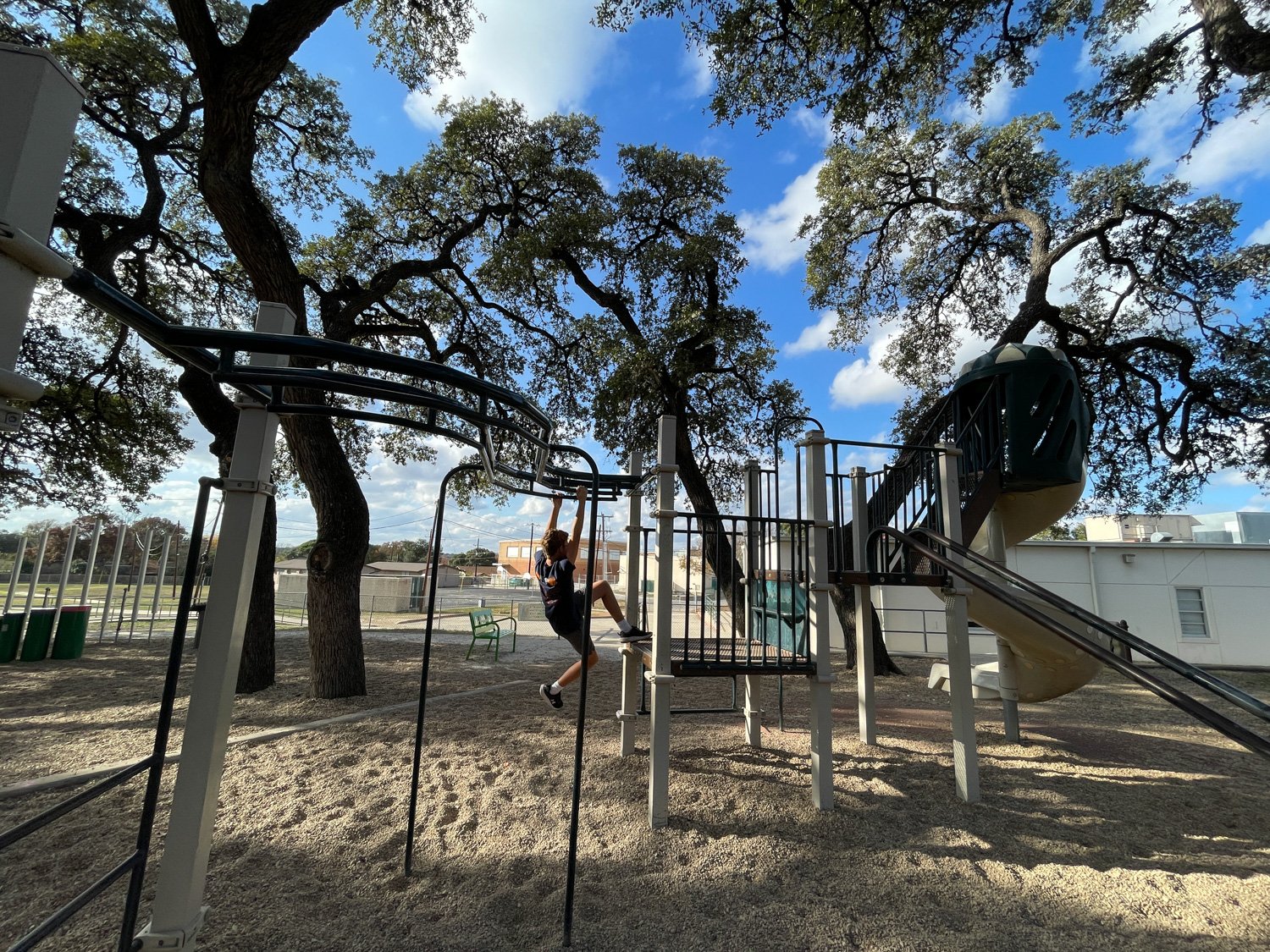
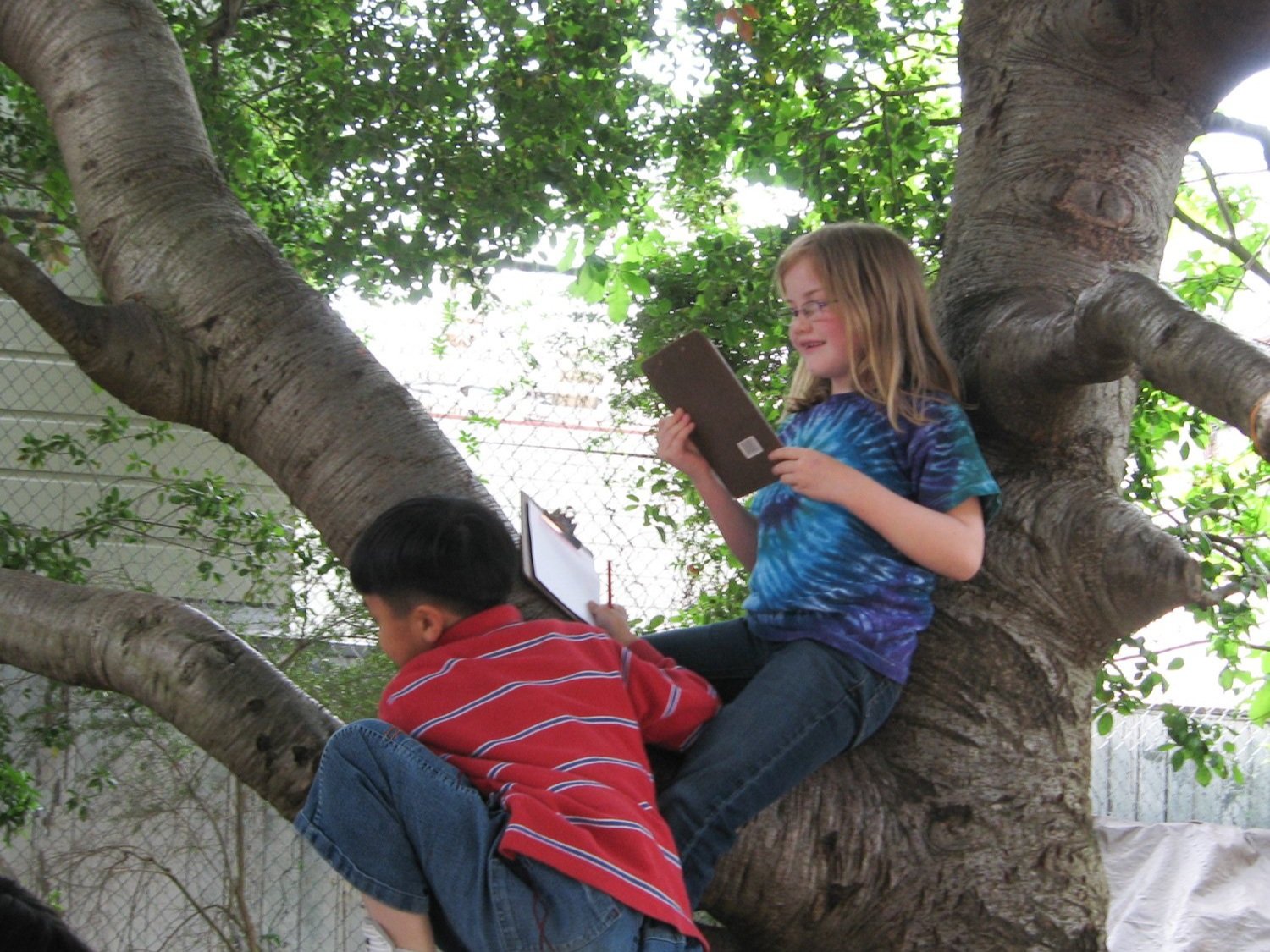
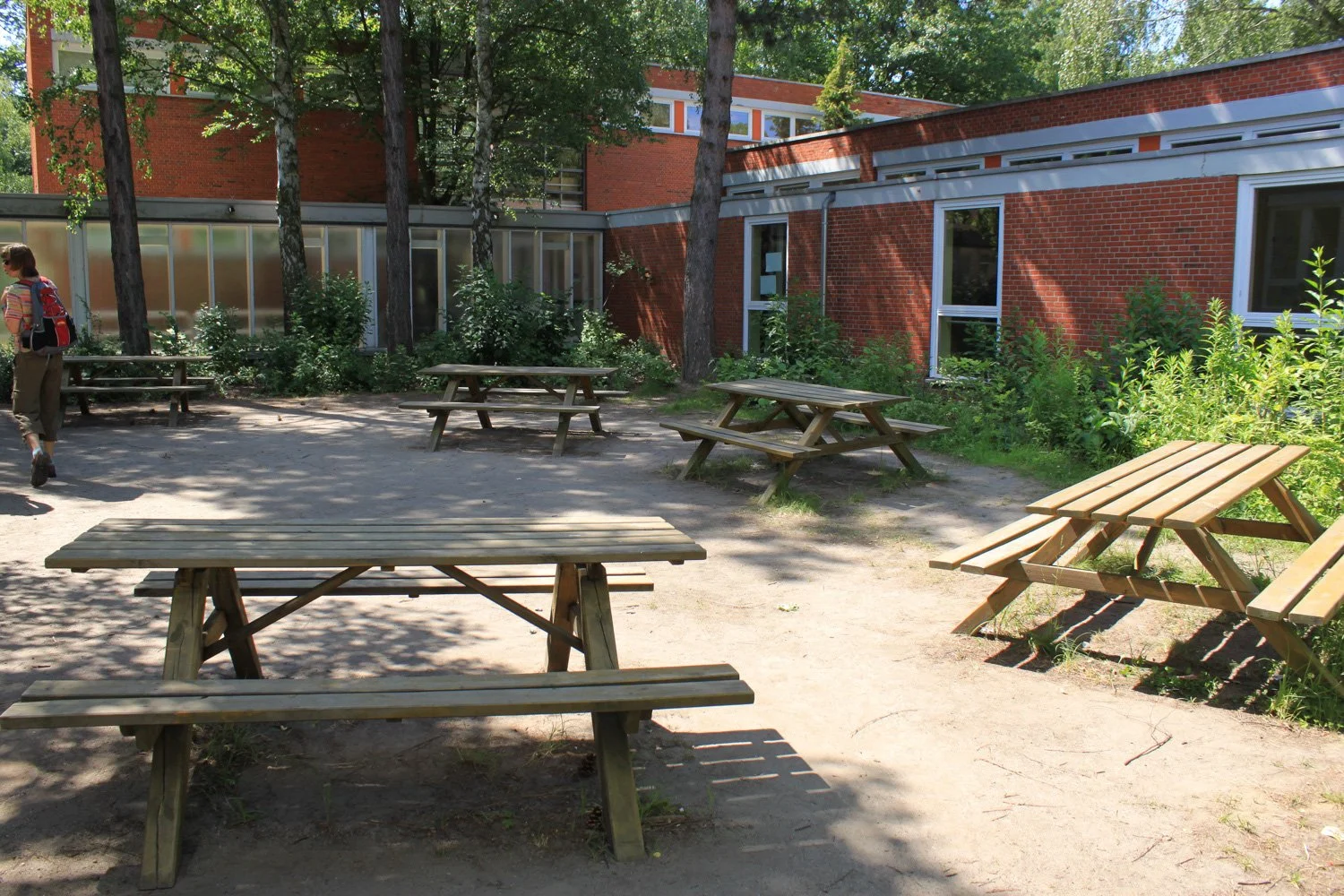
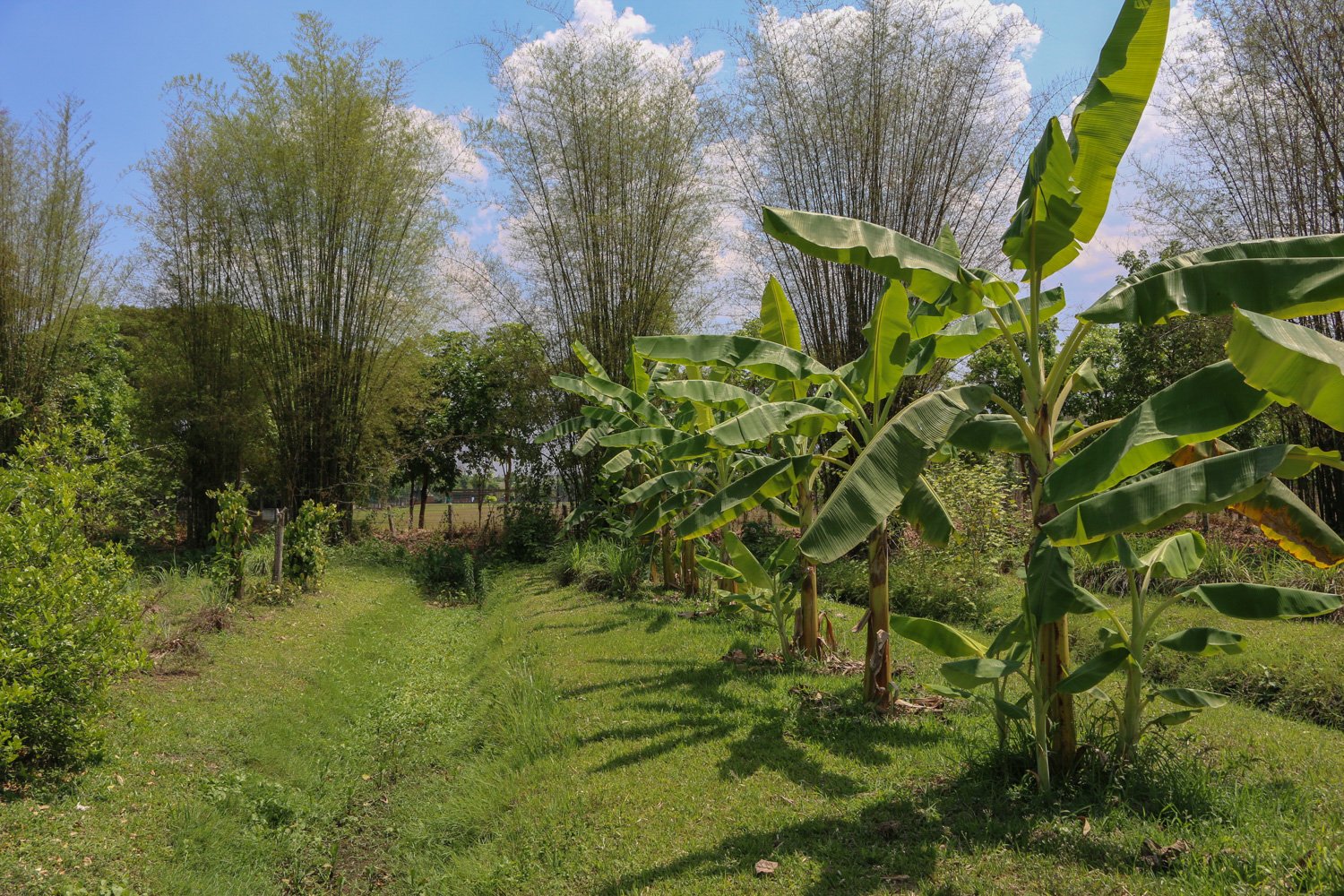
View this collection of images with students to inspire and inform.






Additional Resources
How to Design a Schoolyard Forest is a resource primarily for school district facilities staff, landscape architects, and other partners. Teachers interested in additional ways to include their students will also find it informative.
A helpful framework for engaging youth in taking leadership roles in design and community engagement processes is called Youth Participatory Action Research. You can find more information on the YPAR Hub from University of California, Berkeley.
< Return to Educator Resources Home Page
Schoolyard Forest System®
The Schoolyard Forest System® Resource Library is a set of practical tools for schools and districts working to increase tree canopy on public school grounds to shade and protect PreK-12 students from extreme heat and rising temperatures due to climate change. Funding for the first phase of this initiative was provided by a grant administered by the California Department of Forestry and Fire Protection (CAL FIRE) Urban and Community Forestry Program, and private philanthropy.