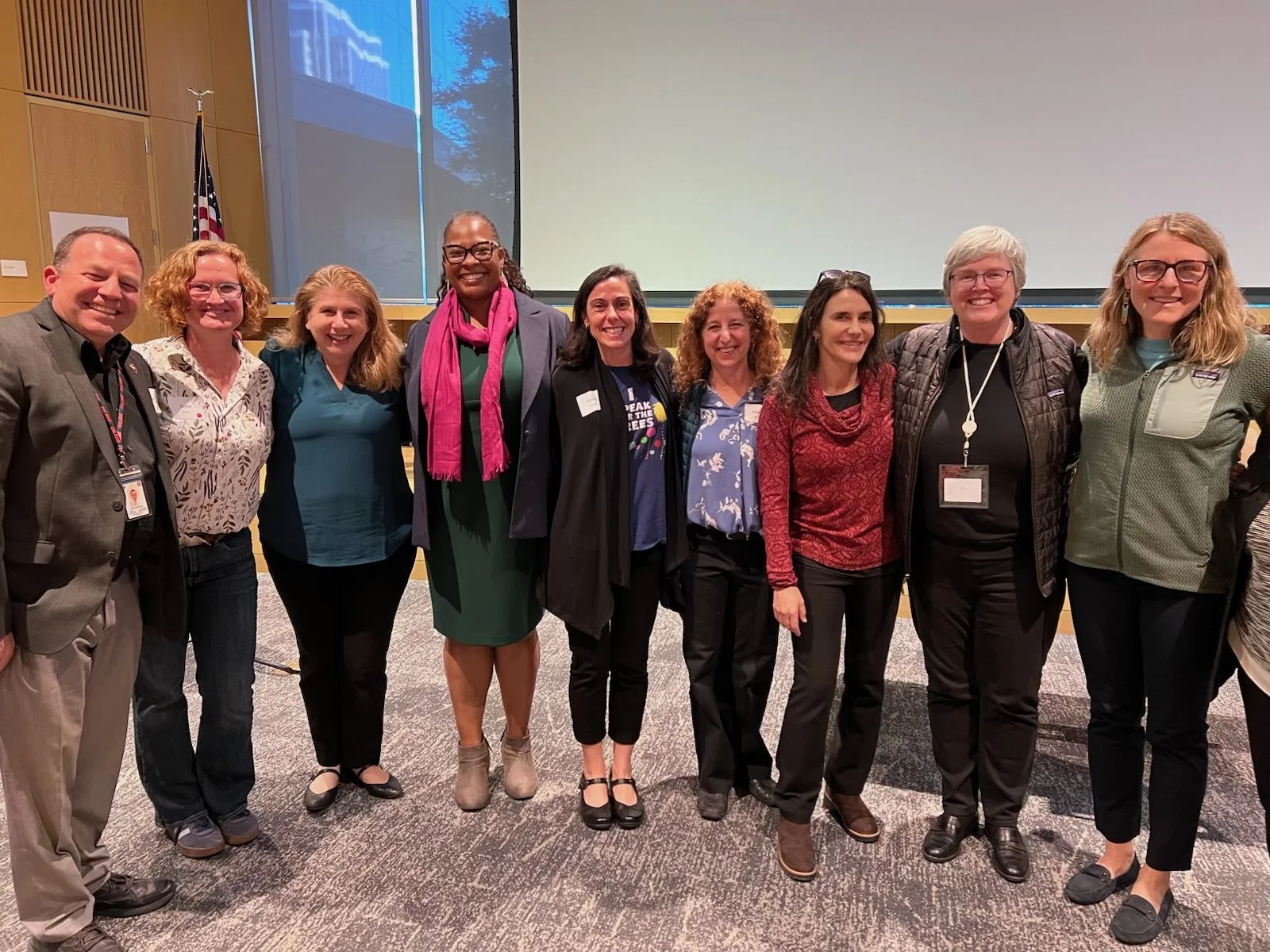

Shaping the Future of Green Schoolyards in California: CAL FIRE’s Green Schoolyards for All convening
/By Sarah Matsumoto and Erica Fine
On October 23, after months of working alongside Julia Gowin, CAL FIRE's Urban Forestry Supervisor for Northern California, and the CAL FIRE team, Green Schoolyards America's staff joined nearly 100 individuals in Sacramento for CAL FIRE’s first ever Green Schoolyards for All convening. This invitation-only gathering brought together state and local agencies, school districts, practitioners, and community partners to connect across sectors, share promising approaches, and identify opportunities to better align policies, programs, funding, and expertise.
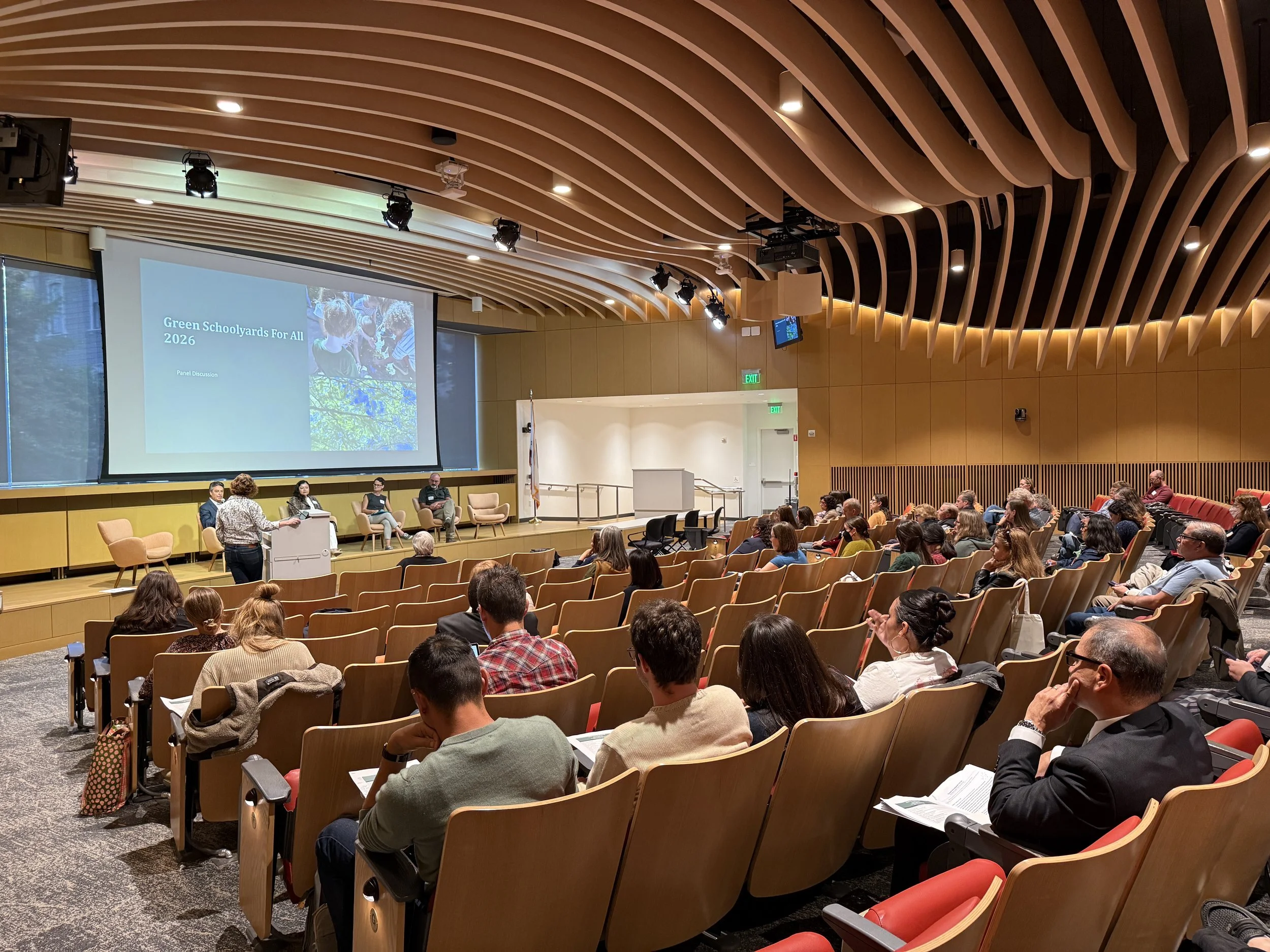
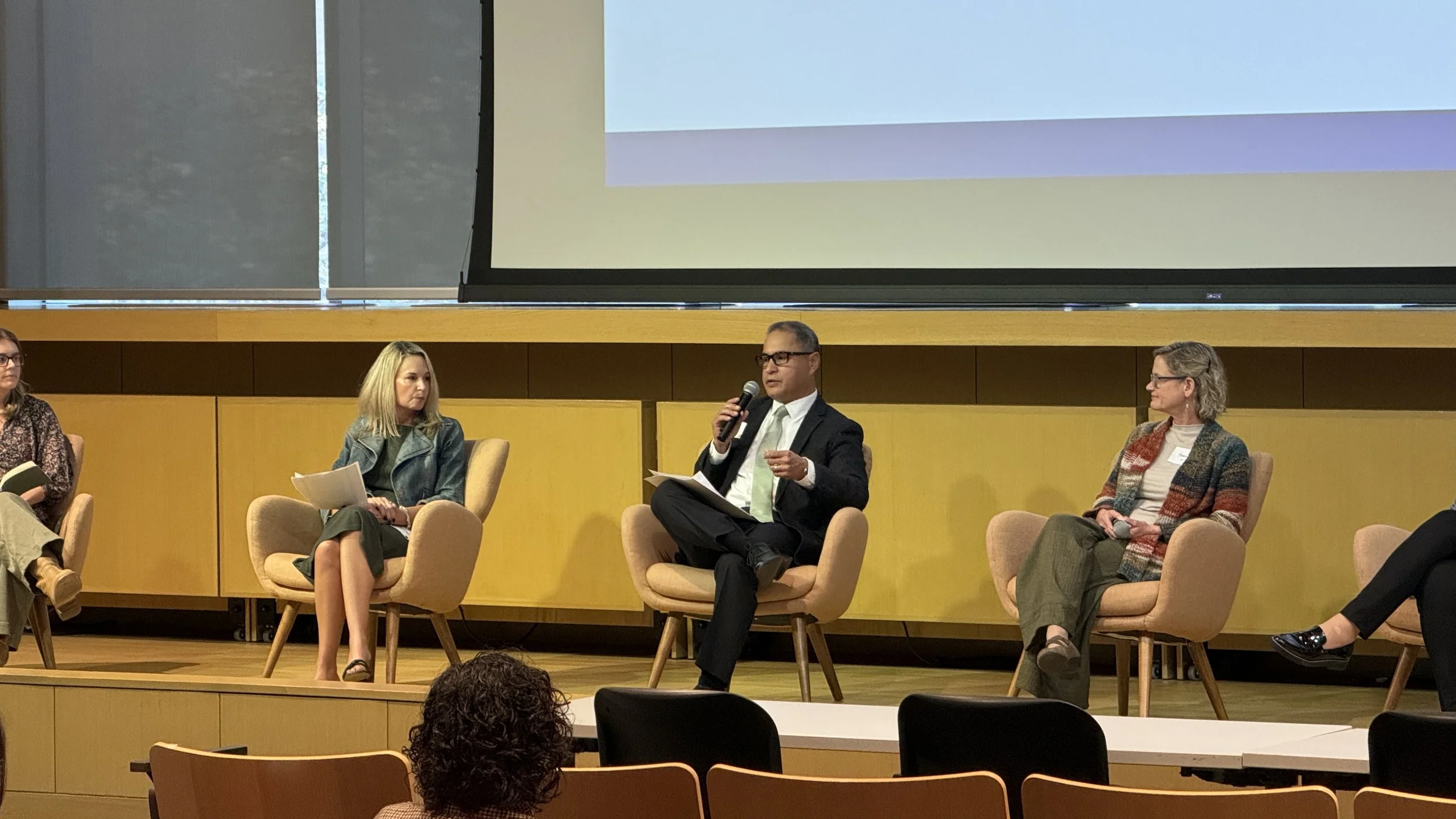
After an opening from California Natural Resources Agency Deputy Secretary for Climate Change, Amanda Hansen, and inspiring keynotes from our very own Sharon Gamson Danks and CAL FIRE State Urban Forester, Walter Passmore, the bulk of the day was dedicated to panels and breakout discussions—starting with NGO perspectives. Representatives from Ten Strands and Tree People shared their on-the-ground experience as community organizations partnering with school districts on outdoor learning and greening schoolyards. Karen Cowe from Ten Strands left the audience with a rousing cry to action—to set the goal of 30 percent tree canopy in the student zone at every California school, the places where children actually spend their school day—and laying out a path for getting there.
The School District Panel described the difference green schoolyard projects are making for students and communities across California. Representatives from LAUSD, Sacramento City Unified School District, Fremont Unified School District and El Monte City School District shared examples of green schoolyard projects and district-wide initiatives, highlighting their impact, what made success possible, lessons learned, and what is needed to expand this work.
The State Agency Panel brought together leaders from California agencies whose work intersects with green schoolyards, including education, health, climate resilience, water, natural resources, and school facilities. Afterward, representatives from these same agencies—California Department of Education, Department of Public Health, California Natural Resources Agency, CalEPA, State Water Resources Control Board, and Division of the State Architect—led breakout sessions for all attendees to discuss existing programs that can support green schoolyards at public schools, what gets in the way of collaboration, and what is needed to scale green schoolyards across the state.
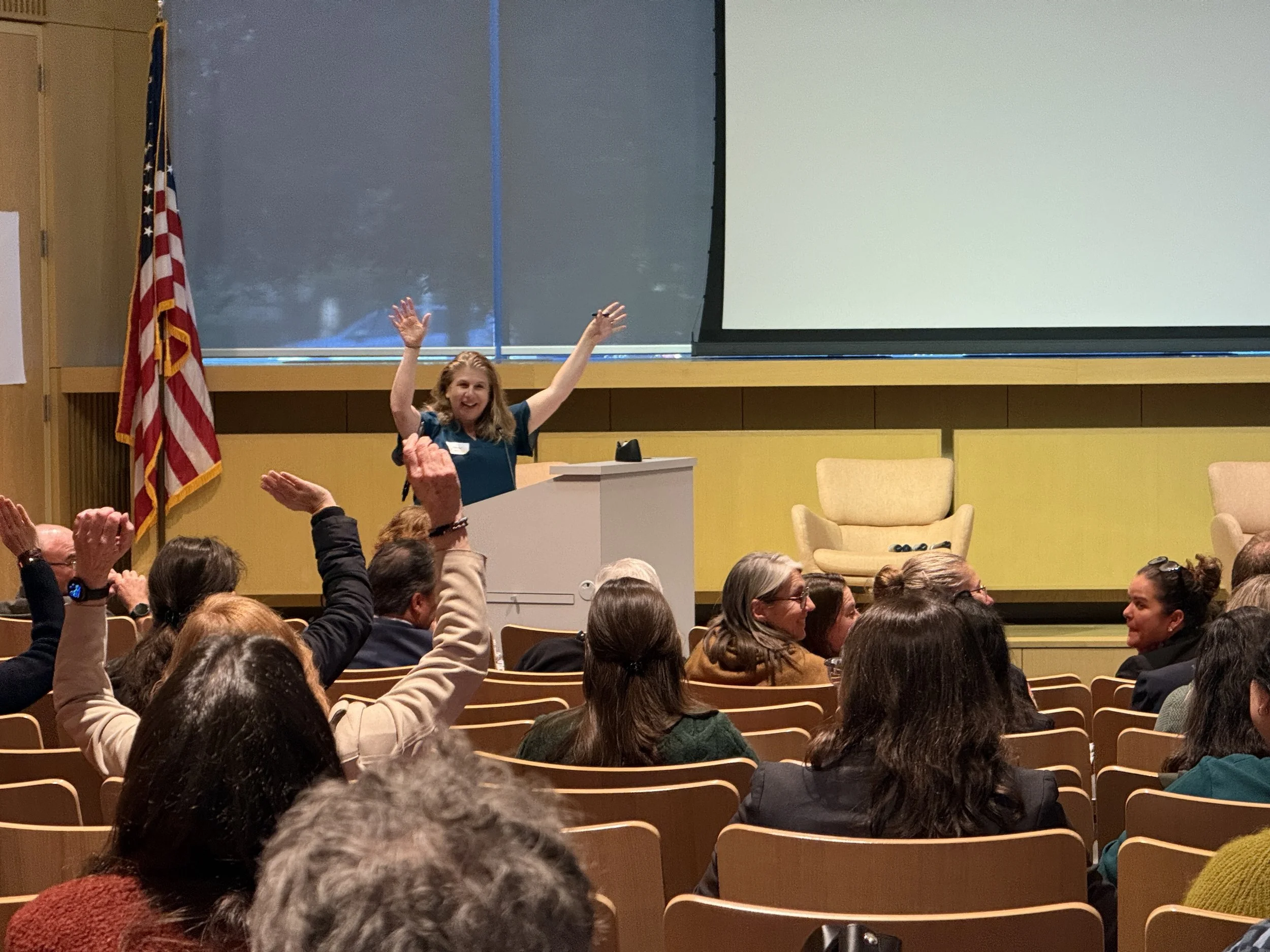
The wonderful thing about green schoolyards is that they cross so many issue areas, from health and education to stormwater and climate. This has also been a central challenge for the field: the people and entities whose work is connected to schoolyard greening are so diverse—both in terms of topic area and scale (from scientists and landscape architects to school districts and agencies of all kinds)—that it is rare and challenging to bring them all together. It was exciting, therefore, to see so much cross-pollination throughout this convening: agencies hearing directly from school districts about the impact of regulations on greening projects—and the benefits these projects bring; nonprofits talking with school districts about navigating partnership; and agencies that are usually siloed learning about the pieces of the puzzle that they each hold.
As we head into a new administration, we have a rare opportunity to shape a future of green schoolyards in California and chart the direction of this work. Green schoolyards can help California communities respond to extreme heat, climate change, environmental health and water challenges while creating healthier places for children to learn, play, and thrive. At this convening, speakers demonstrated what is already possible and we explored what it will take to scale these benefits across the state—inspiring, we hope, greater investment in this work.
Green Schoolyards America was honored to support this program and inspired by the participants and the stories and ideas they shared. We appreciate the leadership of CAL FIRE’s Urban and Community Forestry Program in bringing together these key stakeholders to discuss how to work together to bring living schoolyards and outdoor learning to all children in the state of California. We look forward to working with many partners to shape a more coordinated approach to green schoolyards in California.